Apr 20, 20265 min read
The Best Time to Visit Charleston, South CarolinaApr 20, 2026
5 MIN READ

Writer
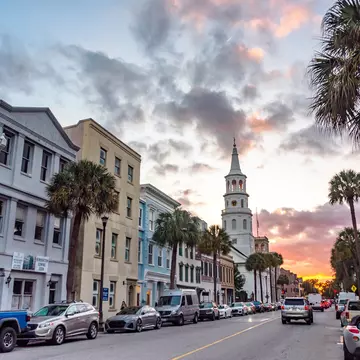
A November sunset in Charleston, South Carolina. bodhichita/Shutterstock

Writer
Lonely Planet may earn a commission from affiliate links on our site. All recommendations and reviews reflect our own independent opinions.
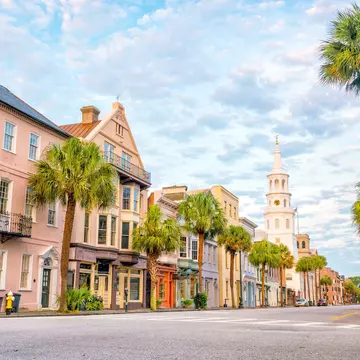
Quaint brick porches lit by gas lanterns, cobblestone streets, amazing restaurants and the twang of friendly locals are a given year-round in Charleston. But each season comes with its own perks. In recent years, this sophisticated star of South Carolina’s coast has emerged as a hot spot for all kinds of folks, including foodies, outdoor enthusiasts, beachgoers and everyone in between.
As the adage goes, timing is everything – and it couldn’t be truer in Charleston. What month you venture here could mean the difference between jacket-worthy days or humid, hurricane-prone stretches; quiet streets or festival-induced euphoria; and a carriage ride that has a seasonal theme and, well, a carriage ride that doesn’t.
You’ve made the right choice in deciding to visit one of America’s most historic yet ever-evolving cities. Here’s how to nail the timing based on the adventure you seek – a guide to the best times to visit Charleston, South Carolina.
Weather in Charleston in spring: The spring climate is warm and sunny, with daily high temperatures peaking between 60°F and 70°F (16–21°C); lows rarely dip below the upper 40s°F (9°C). Rain can occasionally fall in February and March; April brings plenty of blue skies.
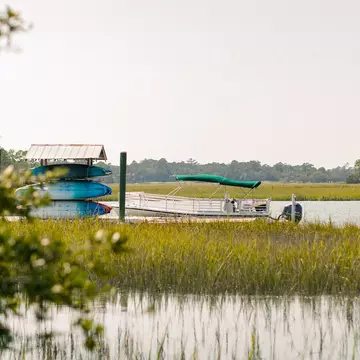
In these late winter and early spring months, Charleston blossoms both visually and culturally. Azaleas and camellias pop in vivid reds and pinks, and it’s not uncommon to see egrets and herons perch throughout the marshlands.
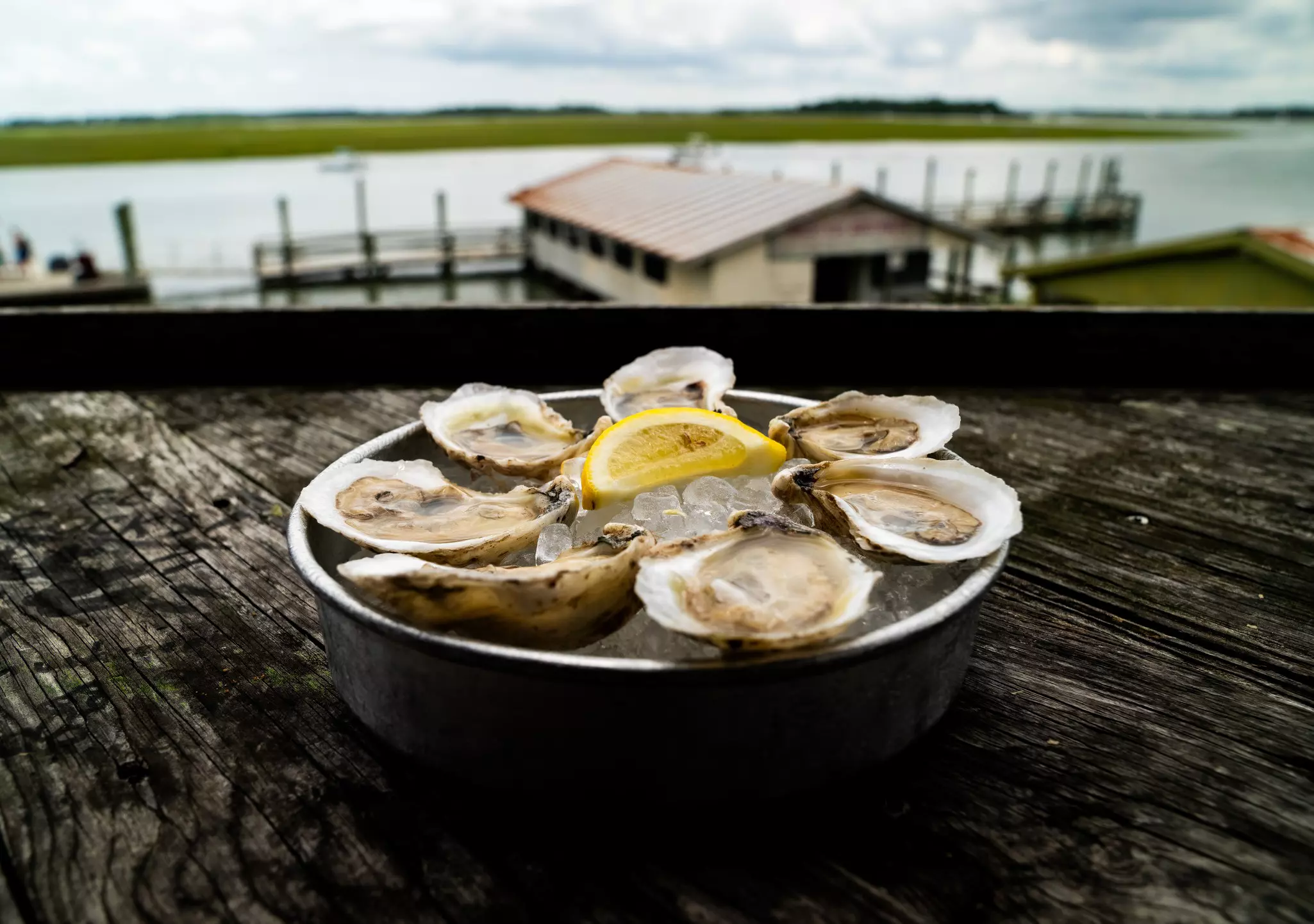
And then there are festivals, more festivals and even more festivals. An acronym you’ll want to know is SEWE (pronounced "see-wee"), for the Southeastern Wildlife Exposition. Typically taking place in February, the event has live animal demonstrations (including leaping dogs, an adorable must-see), wildlife conservation seminars and exhibitions all over town. Also in February is the Lowcountry Oyster Festival at Boone Hall Plantation, with live tunes as well as oysters in all forms: shelled, shucked and fried.
March brings the Charleston Show, a treasure trove for antique collectors near and far, as well as the Charleston Wine + Food Festival, which has attracted Food Network chefs and local icons. In April, the city is all about sweet tunes and sweet eats, with the Charleston Jazz Festival and Lowcountry Strawberry Festival.
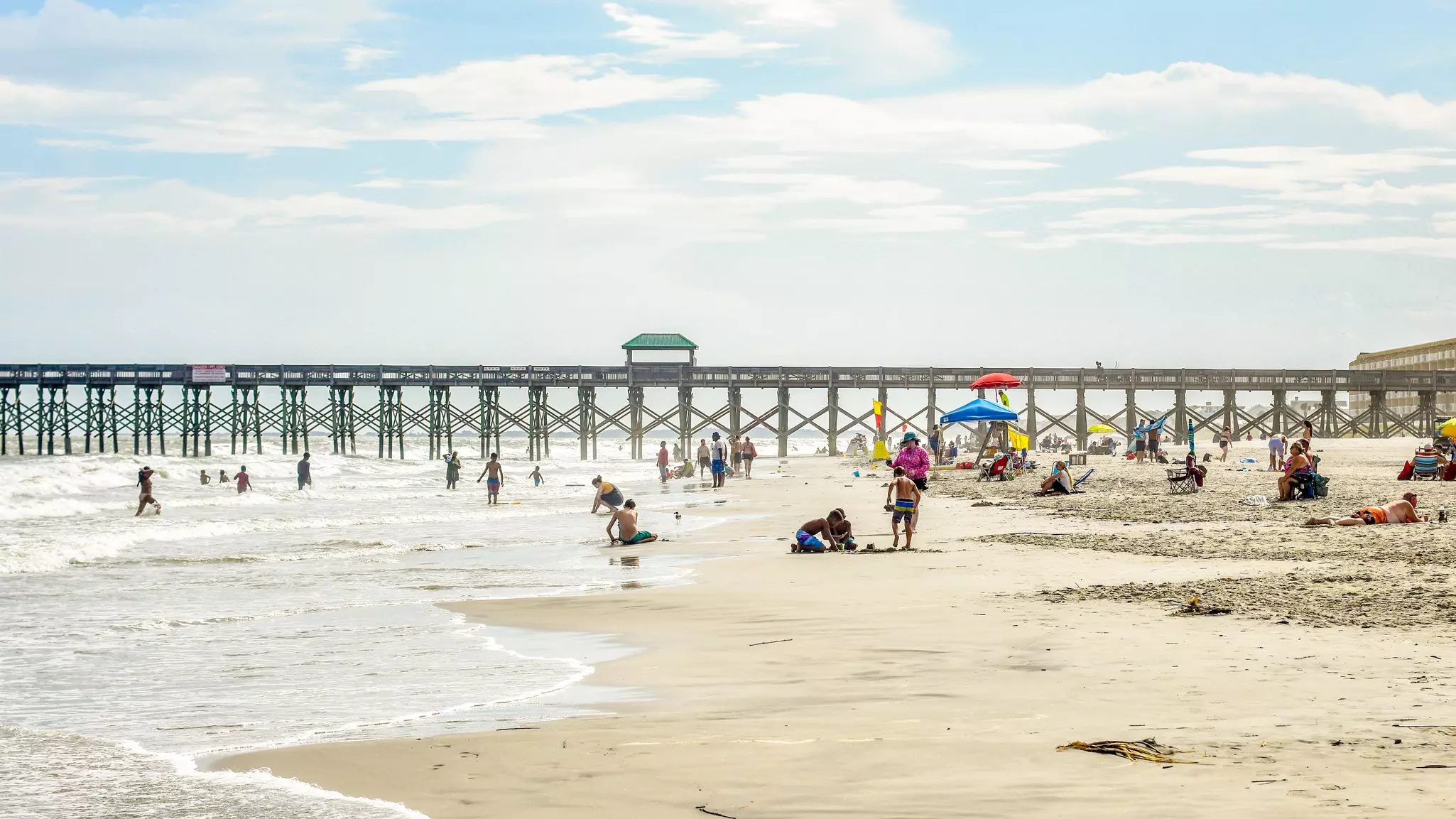
Weather in Charleston in summer: As in much of the South, summers can get hot and sticky, with highs often above 90°F (32°C) and heavy humidity. Hurricane season begins on June 30, and the risk of storms builds over the summer. Pay attention to any storm systems before you set off.
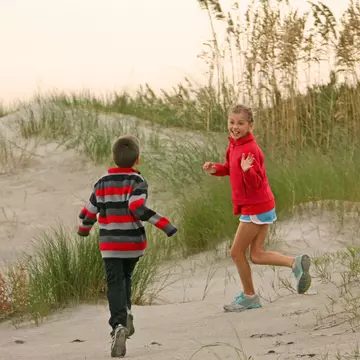
Late spring through summer is best for getting coastal. Sunny days abound, and it can feel a bit sticky as temperatures inch north of above 90°F (32°C). Nearby Folly Beach and the Isle of Palms – both within a 30-minute drive of downtown Charleston – are prime for cooling off, each bringing their own distinctive vibe. Folly Beach is bohemian, with a surf scene (sign up for lessons at spots like Shaka Surf School). Isle of Palms is a family-friendly spot, with a boardwalk and massive county-run oceanside park with picnic pavilions and playgrounds.
Whichever white-sand stretch you plop down on, make sure to pack sunscreen. And wake up from that nap on the beach periodically to hopefully see a dolphin (or five) playfully swimming offshore.
For a reprieve from the sun, the Gibbes Museum of Art houses an ever-evolving showcase of Southern art, much of it focused on the Gullah people. The Historic Dock Street Theatre mounts Broadway-quality musicals and plays in a 19th-century building.
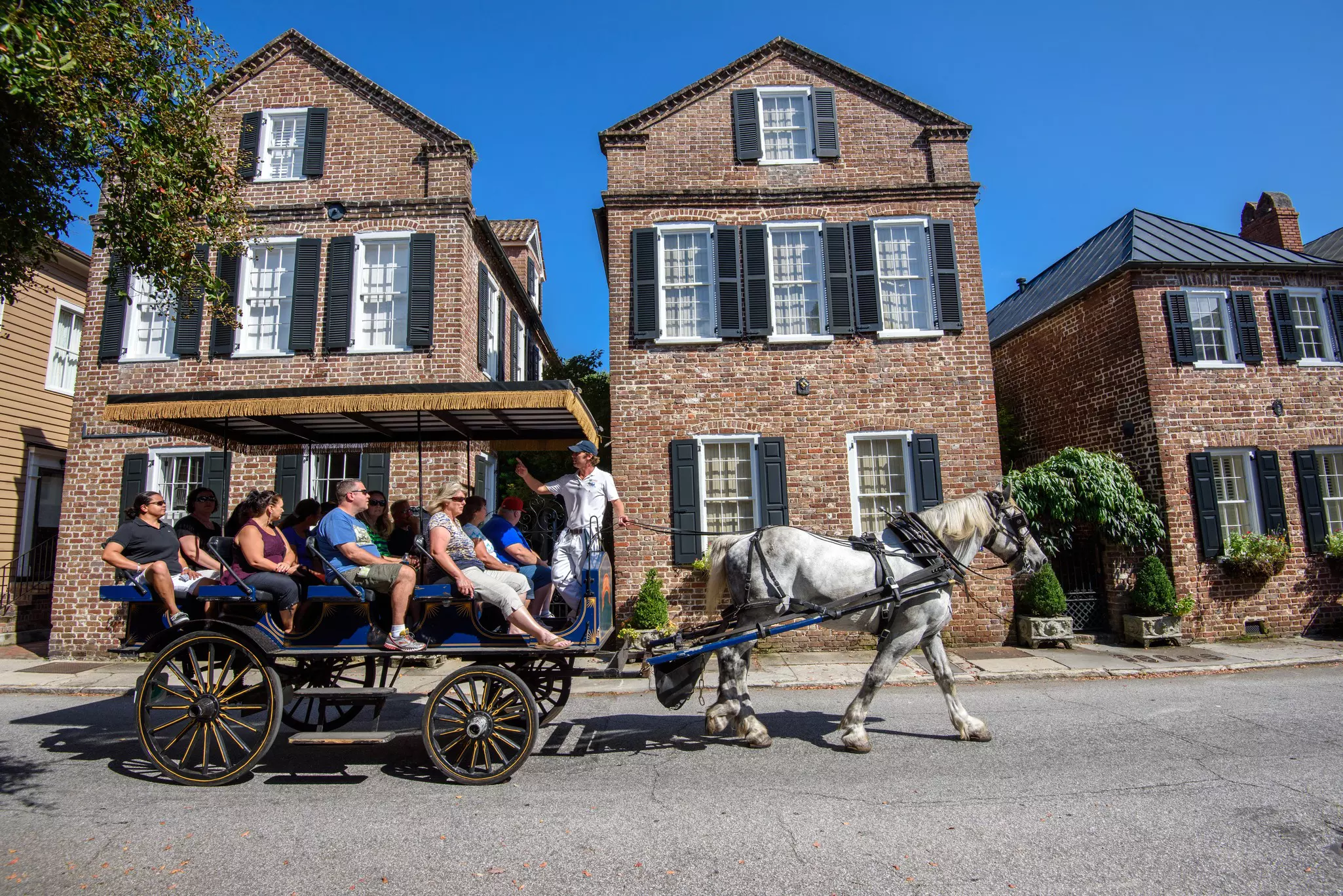
Weather in Charleston in fall: Daytime highs average around 70°F (21°C), falling in November to the jacket-worthy 55°F (13°C) zone. Hurricane season peaks in September and October, so watch the forecast before you travel to Charleston in fall.
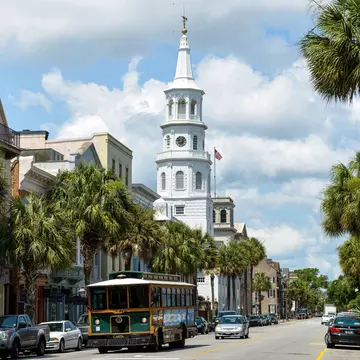
It’s easy to fall for Charleston in autumn, when the weather is ideal for strolling about Charleston’s historic streets – or rolling along them on a carriage ride. Just make sure to keep an eye on the weather since this is the peak of the Atlantic hurricane season (June through November); the region has been in the crosshairs of major storms in recent years.
In the run-up to Halloween, Boone Hall Plantation morphs into a fall wonderland with a corn maze, pumpkin patch and select fright-themed evenings with costumed characters. Equally spooky are Charleston’s ghost tours, which boast fall or spooky themes, among many options. Palmetto Carriage Works remains a winner.
Typically running from late September through early October, the MOJA Arts Festival is a celebration of Black and Caribbean culture in the region, with literary seminars, art installations throughout town and a variety of performances. And for cyclists, the West Ashley Greenway is an 11-mile out-and-back trail in the suburbs that will take you through marshlands and under canopies of Spanish moss. Bilda Bike rents performance, cruiser and electric bikes for the ride.
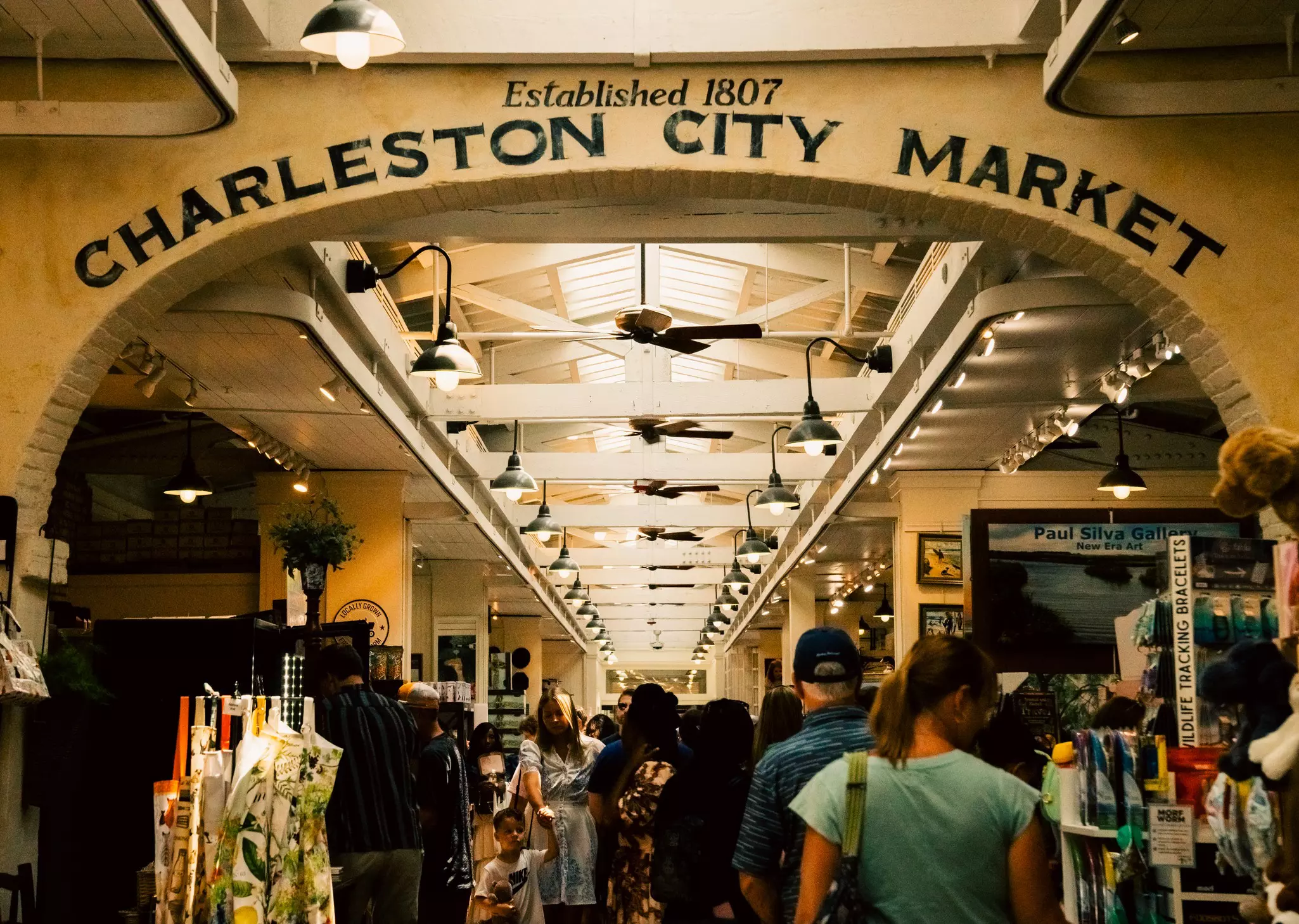
Weather in Charleston in winter: Even on the shortest winter days, the weather is relatively mild in Charleston, with average lows in the mid-40°sF (7°C) and highs in the low 60s°F (17°C). The temperature can dip below freezing on some nights, but snow is very rare. But rain is not uncommon.
“Quiet charm” is the key phrase for Charleston’s low season. Such major tourist draws as Charleston City Market and nearby Magnolia Plantation are refreshingly uncrowded, making for more pleasant saunters.
Amid the general lull, there are pockets of pizzazz. The commercial King Street artery is typically decked in holiday lights and flair all December long, making shopping at mom-and-pop spots like Buxton Books, Candy Shop Vintage and antique retailer Silver Vault of Charleston that much more alluring. On New Year’s Eve, downtown buzzes. For the area’s midnight-countdown drop, Folly Beach lowers a sparkly pair of flip-flops.
Explore related stories