Jul 1, 20267 min read
The 8 Best Things to Do in Puglia, ItalyFeb 11, 2026
5 MIN READ

Writer
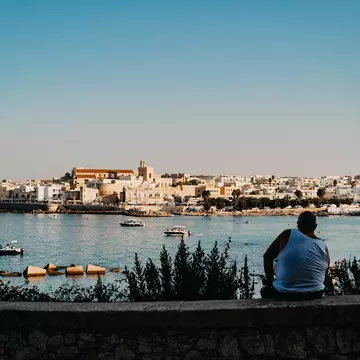
Otranto in Puglia, Italy. Martina De Pascali for Lonely Planet

Writer
Highlights
Writer Benedetta Geddo maps Puglia's seasons, from Easter torch processions to Carnevale floats.
Spring brings mild weather, Easter processions and wild orchids on the Gargano promontory.
Visit Puglia in summer for Adriatic beaches and Notte della Taranta folk concerts in Salento.
Fall suits vineyards and harvest events; winter offers Carnevale in Putignano and budget savings.
Lonely Planet may earn a commission from affiliate links on our site. All recommendations and reviews reflect our own independent opinions.
Puglia might be somewhat under the radar compared to other top Italian destinations, but locals know that the country’s easternmost region is emblematic of all the best things Italy has to offer: stunning natural landscapes, millennia of history, rich folklore and delicious cuisine.
Puglia's gentle Mediterranean weather and cultural treasures mean that travelers will find something to fill their days even in the low season. Whether you're into summer festivals and laguid days at the beach or you prefer nativity scenes at Christmas, this seasonal guide to Puglia will help you pick the best time to visit.
Spring (April to June) has lovely weather and interesting festivals.
Summer (July and August) is the high season in Puglia. Travelers will find that idyllic Italian summer they've long dreamed of, but only if they book in advance, as accommodations fill up quickly.
Fall (September and October) is so lovely that you can’t really tell summer has ended until late October, when the weather turns chilly and rainy.
Winter (November to March) is the perfect season if you’re traveling on a budget. At Christmastime, several towns put on living nativity scenes.
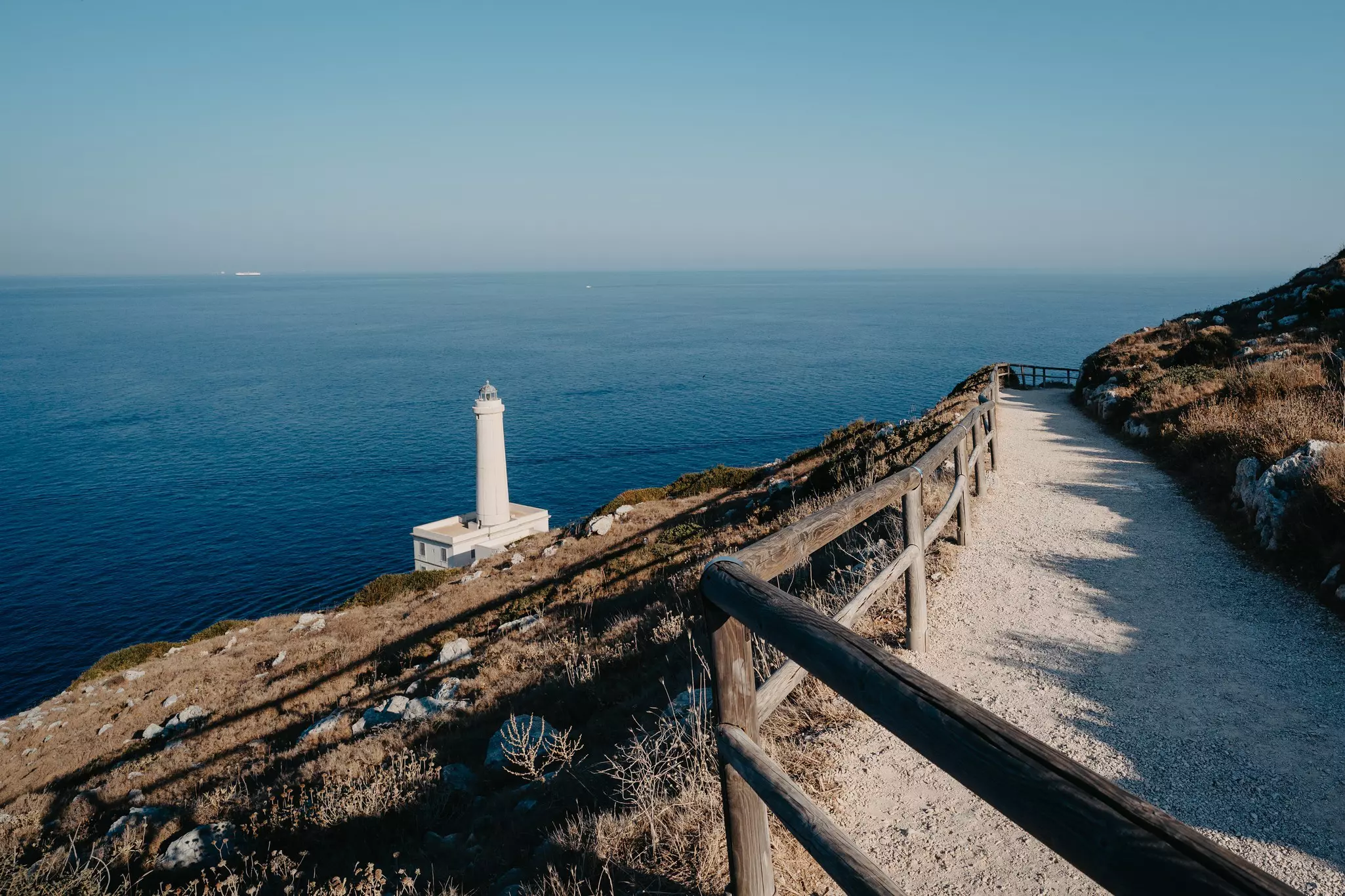
Weather in Puglia in spring: The period from April to June is probably the best time of year to travel to Puglia. While you might still encounter some rain showers at the beginning of April, each month throughout the spring will get warmer, allowing you to take a dip in the sea and explore the region's most enchanting places – all without the heat and crowds of high summer.
Depending on when Easter falls, you might be able to catch some of its celebrations, like the famous Fracchie in the village of San Marco in Lamis, during which huge torches are lit on fire and then hauled along the village’s main streets. Italian schools close in the days leading up to Easter, as do most workplaces for Easter Monday, making that long weekend a bit more trafficked than usual.
Planning tip: Between late April and early May, walkers on the Promontorio del Gargano might spot wild orchids on the Abbazia di Monte Sacro trail.
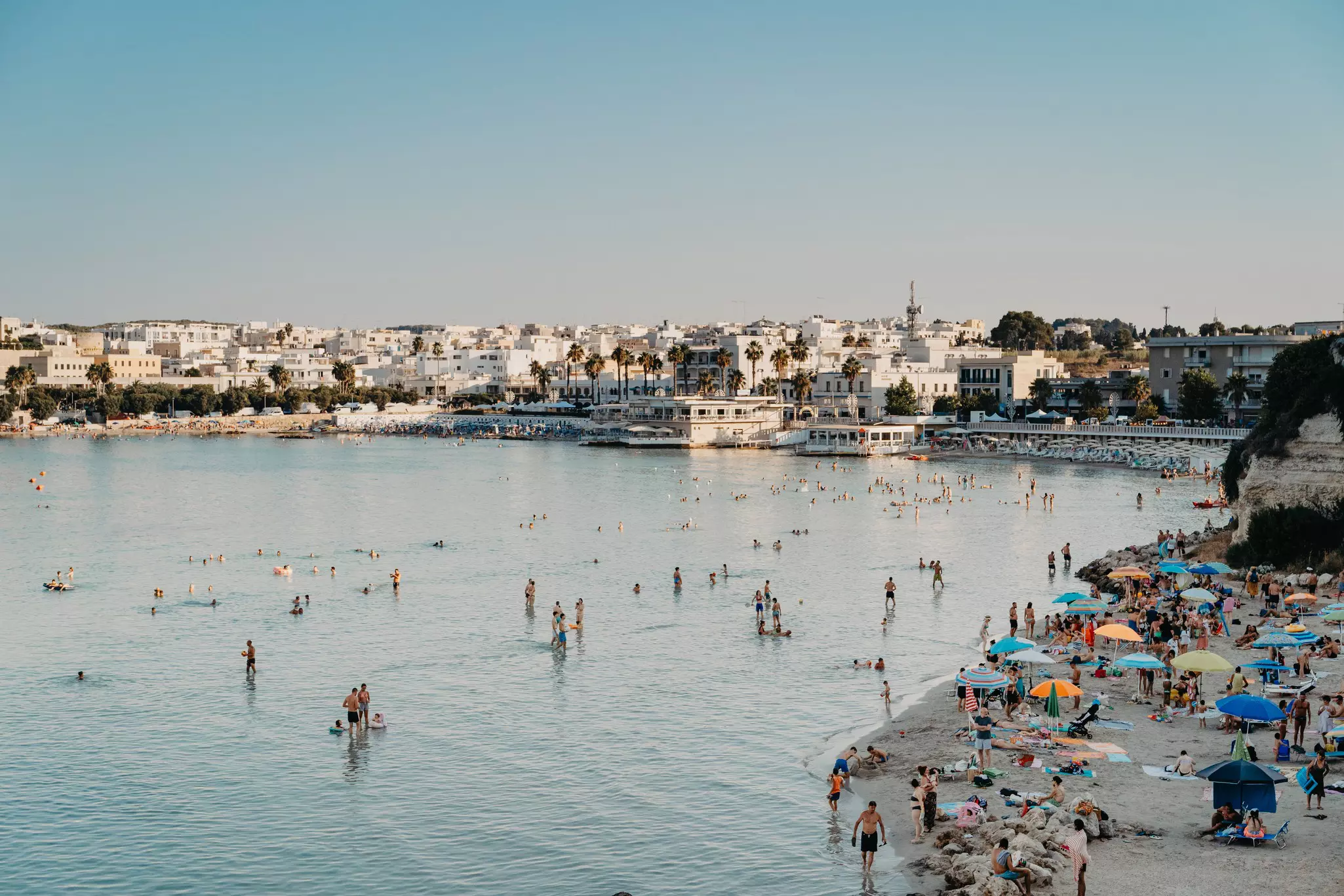
Weather in Puglia in summer: The intensity of the summer heat in Puglia is softened by its proximity to the sea, but it still gets pretty hot. Lean into the languor by dozing on the sand under a beach umbrella or taking a dive into the waters of the Adriatic Sea. July and August provide that quintessential Italian summer experience, and many Italians love to travel to Puglia for their own vacations, so make sure to book in advance as this is high season – accommodations get crowded quickly, and prices rise equally fast.
The region is alight with festivals and events in the summer. In July, enjoy traditional Pugliese street food at Festa Te La Uliata in Caprarica di Lecce, which attracts thousands of foodies every year. Come August, don't miss the music festival Notte della Taranta, a string of folk music concerts held in cities and towns across Salento that culminates in one big concert in Melpignano.
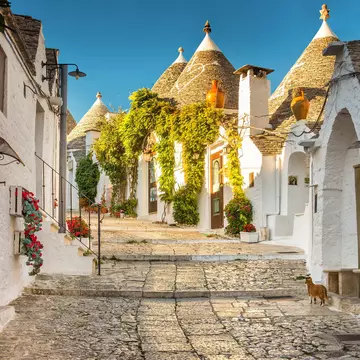
Planning tip: If you'll be visiting Alberobello during the summer, try to arrive in the evening or late at night. The town gets hordes of tourists during the day, but after sunset, as you walk between the dimly lit cones in complete silence, you can guess what the tiny streets must have been like hundreds of years ago.
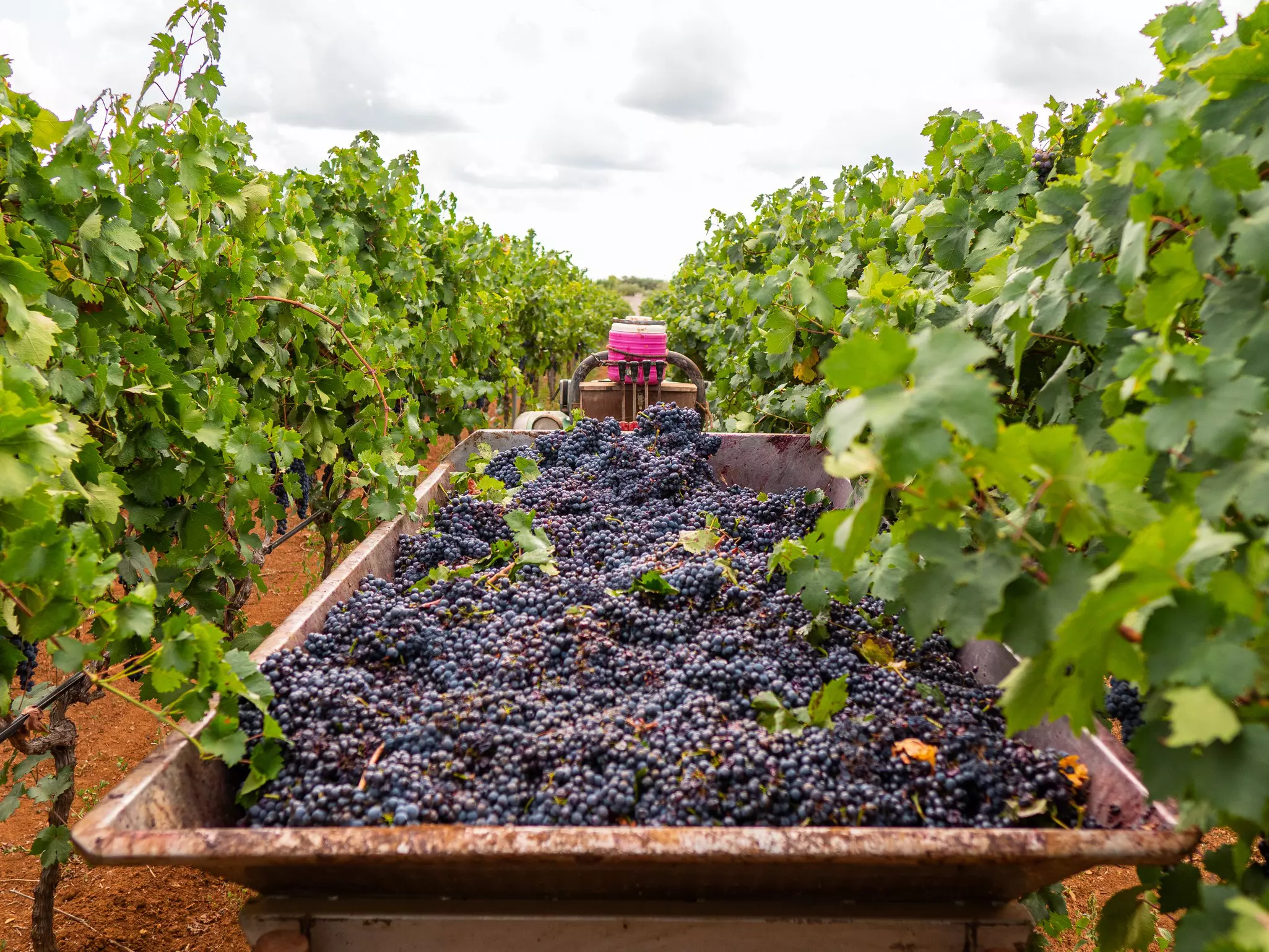
Weather in Puglia in fall: Autumn is an excellent time to visit Puglia. While temps can turn chilly and rainy toward the end of October, the weather overall is still lovely – so much so that you can’t really tell that summer has actually ended. With life going back to normal for Italians, who return to work and school, you can explore the region with fewer crowds.
Grape-harvesting in September and October means open weekends at local vineyards for visitors willing to pick grapes (and then sample new wines), although one of the most interesting events you can attend is not harvest-related. The Challenge of Barletta in early September is a historical reenactment of the clash that took place at the beginning of the 16th century between 13 Italian knights and 13 French ones, complete with heralds, nobles and, of course, knights.
Autumn ends with the harvesting of Puglia’s famous olive trees.
Planning tip: Towns around Italy celebrate the end of the harvest with feste di paese, which very often include displays of the small colored lights called luminarie in the main streets or squares. Check a local calendar of events to time your visit during one of these festivals.
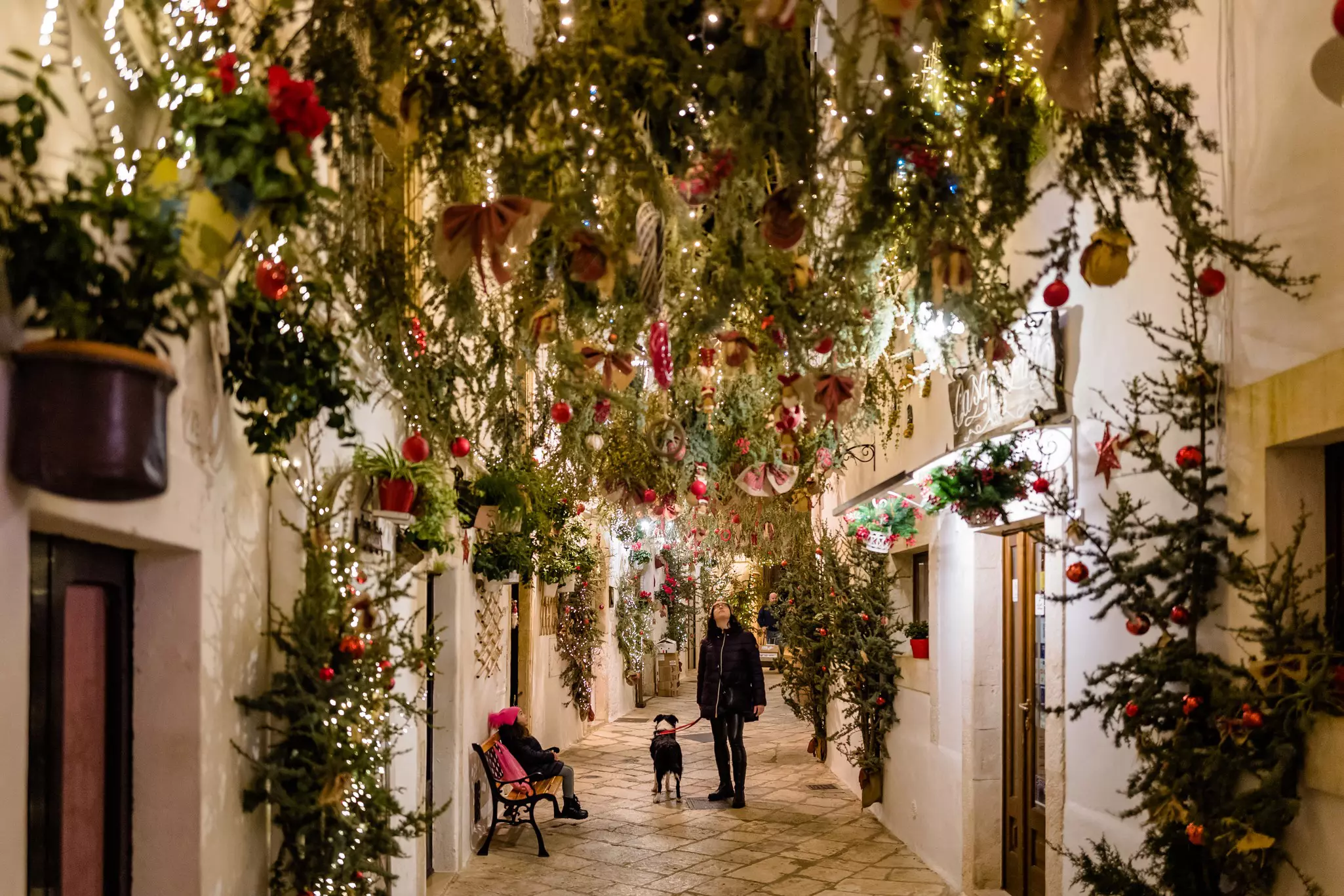
Weather in Puglia in winter: Winter creeps in with the coldest weather that the region experiences throughout the year, but it’s also the perfect season if you’re traveling on a budget and don’t mind skipping the ocean swims. At Christmastime, several towns put on living nativity scenes in which actors recreate the story of the birth of Jesus.
In the first half of January, you might catch the massive bonfires illuminating the night in the town of Castellana Grotte, a tradition to celebrate the city being freed from the plague at the end of the 17th century.
February launches Carnevale celebrations. The largest of these is held in Putignano, with a parade of incredibly elaborate floats and masked performers.
Planning tip: There are a number of public holidays in Italy in winter in addition to Christmas and New Year's Day: Festa di Ognisanti on November 1, Festa dell’Immacolata Concezione on December 8, Festa di Santo Stefano on December 26 and Epifania on January 6.
Explore related stories