Oct 22, 20263 min read
Best Time to Book a Flight: How Far in Advance and Which Day Is CheapestJul 21, 2026
4 MIN READ
Contributors
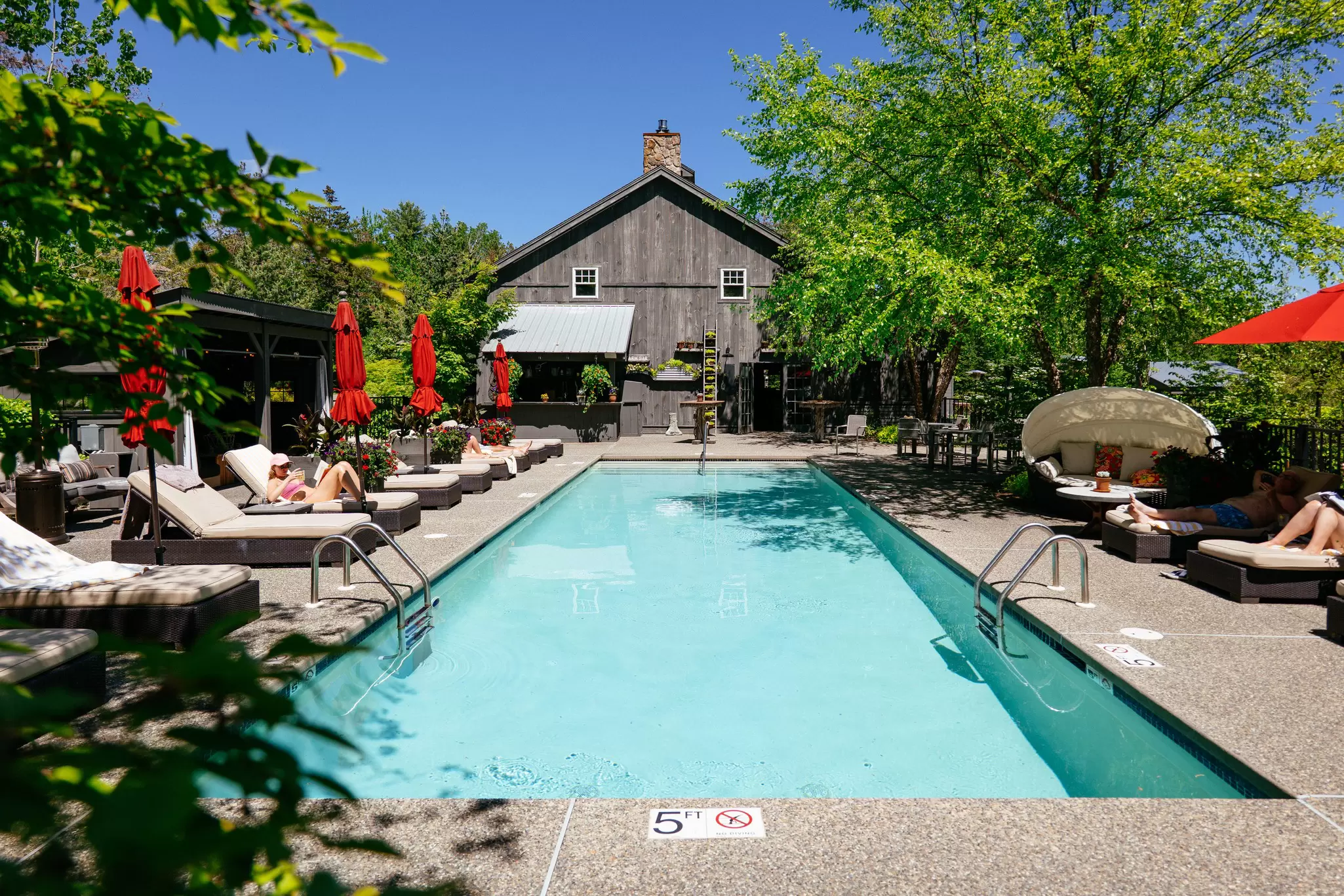
The adults-only pool at Hidden Pond resort, Kennebunkport, Maine. Katelyn Perry/Lonely Planet
Contributors


Jamie Ditaranto, Lonely Planet Editors
Highlights
Writer Jamie Ditaranto breaks down the best time to book a hotel.
Book early and always opt for free cancellation in case your plans change before travel.
Hotels sometimes drop rates to fill rooms, so last-minute searches reward off-season travelers.
Visit Seville after Semana Santa for great weather and significantly lower room rates.
Lonely Planet may earn a commission from affiliate links on our site. All recommendations and reviews reflect our own independent opinions.
I can’t lie – I’m a chronically early hotel booker. As a professional travel writer who goes on more than a dozen trips per year, I find that knowing I’ve got a reservation waiting at a price I was happy to pay lets me relax and focus on the next trip I have to plan.
Everyone is different, of course. How early you choose to book your hotel comes down to your own personal comfort level, but the longer you put it off, the greater the risk you'll pay more. If you leave it too late, the hotel you want may be full, the room you wanted may be unavailable, or the rates might skyrocket as it gets closer to your travel date.
However, last-minute hotel deals do exist, so it pays to have a strategy for securing the perfect hotel room at the right price. Here’s my advice for timing it just right.

Booking early is often a good way to get the room you want for a price that feels right. During big annual events such as the Rio de Janeiro carnival or the sakura (cherry blossom) season in Japan, you might need to book as much as 6 months or even a year in advance to get the best prices and the biggest choice of rooms. However, keep in mind that prices will always be higher than when things are less busy.
Outside of these top-of-the-peak times, booking 1-3 months ahead is usually fine, but availability and prices will depend on the season and the amount of accommodation available in your chosen price bracket in the destination. In a beach town with just a few budget places to stay on a busy Greek island, you might want to book further ahead before the cheaper rooms fill up.
Of course, it is possible to book a hotel too early, which is why I always look for hotels that offer free cancellation. After all, travel plans change – someone may back out of a trip, or something can come up unexpectedly, meaning you need to change the dates or the destination.
Sometimes, you'll just hear about an even better hotel that you’d rather stay at, or a can't-miss deal that you would be foolish to pass up. Whenever possible, if it doesn’t cost significantly more, I'll try to book a hotel that offers free cancellation, especially if my travel dates are more than 6 months away.

I may be an early planner, but I’m not opposed to taking the odd spontaneous last-minute trip. If I suddenly decide to go away for the weekend, I don’t need to kick myself for not booking earlier, because I know it could work out in my favor.
Occasionally, hotels try to fill unbooked rooms as it gets closer to the date of travel, so if you look around, you can often find pretty reasonable deals and lower-than-expected prices, especially if it’s not a high-demand destination like a fashionable city or a beach town in peak season.
In my experience, finding a well-priced late deal works out best when you travel during the off-season. To identify those quieter periods when hotels may offer late discounts, look up the local tourism board’s list of upcoming events, which will not only list major holidays but also events such as conferences and music festivals, when rooms will be in demand.
If prices seem higher than you expected for the time of year you’re traveling, you might be traveling during a major event specific to your destination. Every year, I observe this phenomenon in Barcelona in March, when a major technology conference is held. Hotels raise their rates to take advantage of the business travelers working with company-funded expense accounts, catching casual visitors off guard if they’ve planned to be in town the same week.
Religious festivals are another crunch time for bookings, even if most visitors are locals rather than overseas holidaymakers. Before locking down your travel dates, look up the local events calendar and ensure that you’re not traveling during one of these extra-busy periods.
As ever, flexibility is key. If you can time your trip for the week after Semana Santa (Holy Week) in Seville, for example, you'll get great weather and pay significantly less for a room that might cost three times as much the week before.
Explore related stories