Jan 30, 20266 min read
5 Best Islands in the Florida KeysDec 10, 2025
6 MIN READ

Writer
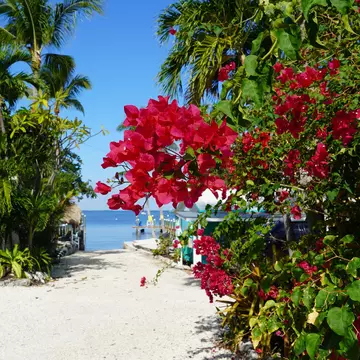
Bougainvillea and beachfront cottages in Key Largo. baileyc1/Shutterstock

Writer
Lonely Planet may earn a commission from affiliate links on our site. All recommendations and reviews reflect our own independent opinions.
The blanket of mangrove forest that forms the South Florida coastline spreads like a woody morass into Key Largo, the northernmost of the Florida Keys. As you drive onto the island, you’ll note that the bridges are painted an aqua hue, an echo of the bright water that surrounds you everywhere here.
It’s true that the US-1 corridor in Key Largo looks a bit like a tourist trap, with souvenir shops and periodic billboards touting “the best” key lime pie. Yet stray a short distance from the principal artery, and you’ll find a blend of elegant resorts and untamed wilderness. Indeed, the reefs here are world-class, in particular at John Pennekamp Coral Reef State Park.
Historically, Key Largo was a stopover for pirates and traders; in recent decades, it’s evolved into a tranquil retreat for those seeking natural beauty over the nightlife of Miami or Key West, one easily accessed from the mainland. Key Largo’s rich maritime culture remains very much alive today, reflected in local seafood restaurants, homegrown boutiques and sportfishing competitions that take place year-round.
As you think about your next trip to the Keys, consider our picks for the best things to do in Key Largo.
John Pennekamp has the singular distinction of being the first underwater park in the USA. Complementing the preserve’s 170 acres of dry parkland are more than 48,000 acres (75 square miles) of water, the vast majority of which is ocean.
Before you take the plunge, take a stroll on land. The park features three trails, all of which are short and flat, and provide more educational than physical payoff. The Mangrove Trail is a good boardwalk introduction to these amazing trees: often submerged in water, they breathe via long roots that act as snorkels. (Note that the Mangrove Trail is currently closed following hurricane damage.) The 0.6-mile Grove Trail wends through tropical fruit groves that occasionally attract butterflies. If you’re curious about the Keys’ many tree species, have a saunter around the Wild Tamarind Trail, where many of the hardwoods are labeled.
John Pennekamp’s visitor center is well run and informative, and has a small saltwater aquarium and nature films that give a glimpse of what’s under those waters. To get deeper beneath the surface, you should take a 2.5-hour, glass-bottom boat tour. A catamaran will bring you to Molasses Reef, where you’ll see filigreed flaps of soft coral, technicolor schools of fish, dangerous-looking barracuda and (perhaps) a few massive yet graceful sea turtles.
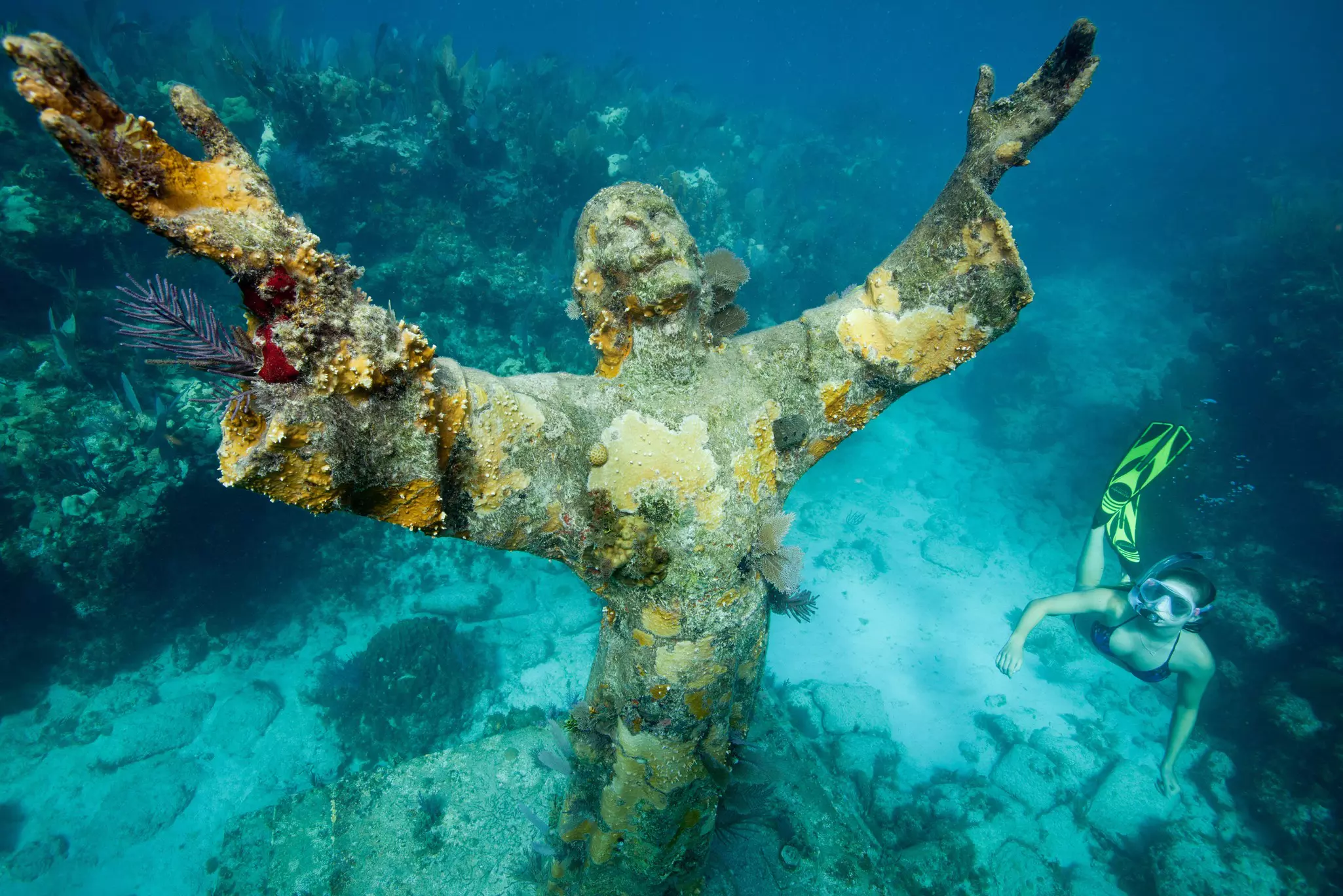
The park’s most famous attraction is the coral-fringed Christ of the Abyss, an 8.5ft, 4000-pound bronze sculpture of Jesus (a copy of a similar sculpture off the Portofino Peninsula in northern Italy). On calm days, the park organizes snorkeling trips to the statue, which lies 6 miles offshore. You can also arrange diving excursions – obviously a big draw – or paddle through several miles of “blue” trails among the mangroves.
Planning tip: Book a snorkeling or diving trip to the Molasses Reef Sanctuary Preservation Area. The water is as clear as it gets, and a historic Spanish ship anchor, bright fish species and boulder coral await below the surface.
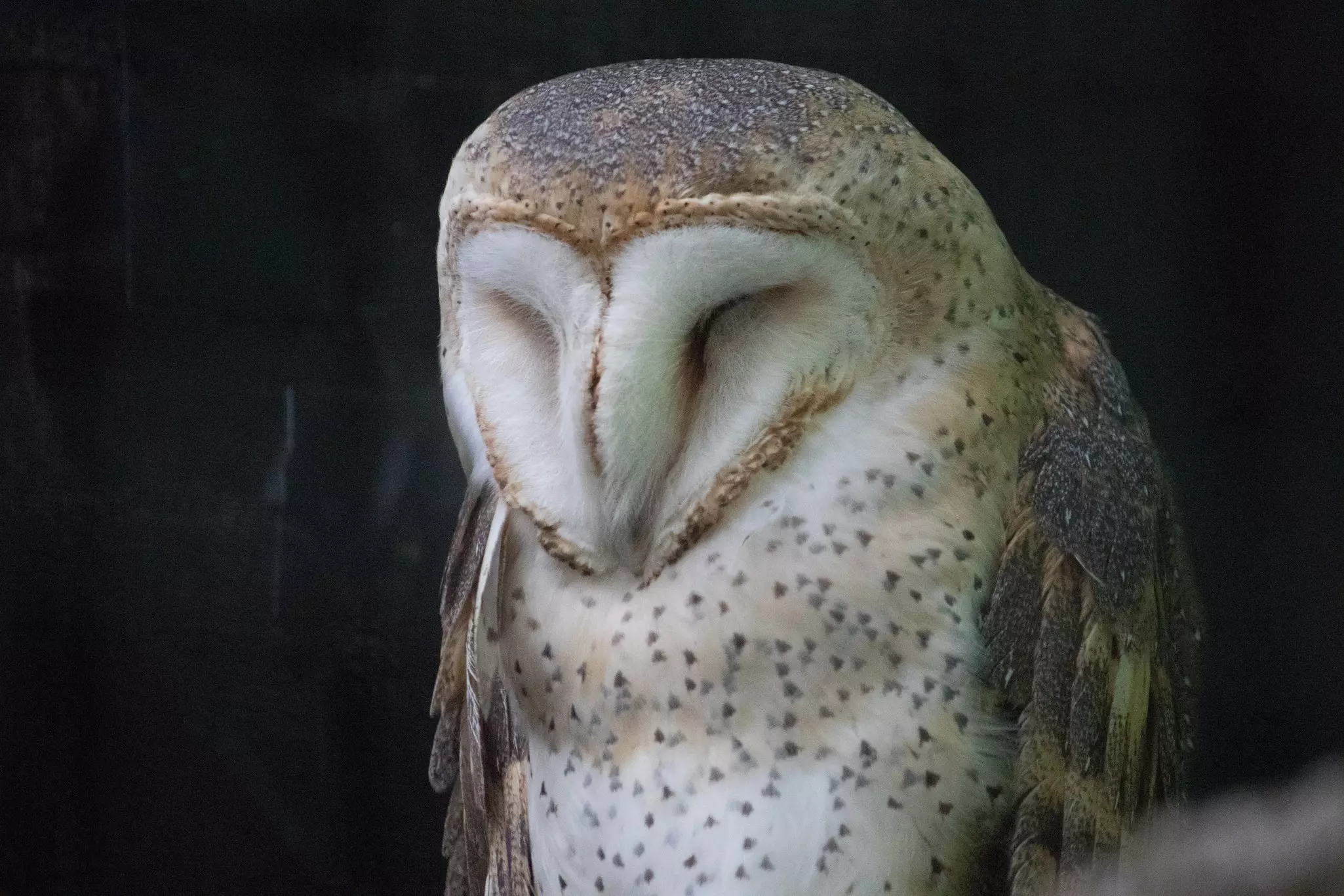
The Florida Keys aren’t just popular with tourists. As in much of the outdoors in South Florida, the islands serve as a waypoint for migrating birds – and, acre for acre, the archipelago is a true birding paradise. Still, many birds sustain injuries over the course of their transit, and that’s where Laura Quinn Wild Bird Sanctuary – on the southern edge of Key Largo en route to Tavernier Key – steps in.
The 7-acre space serves as a protected refuge for a wide variety of injured birds. A boardwalk leads through various enclosures where you can learn a bit about some of the permanent residents, those sadly unable to be released back into the wild. The species here include masked boobies, great horned owls, green herons, brown pelicans, double-crested cormorants and many more.
Local tip: The same organization also runs a bird hospital just south along the main highway. They’re the ones to contact if you see injured birds – or have any other bird emergencies – during your travels.
For something completely different, stop in for a tasting at Keys Meads, an artisanal producer of the ancient spirit. The team here has an encyclopedic knowledge of all things related to the fabled honey drink, and has created many unique varieties, all made from locally sourced honey. Who needs rum, anyway?
During a tasting, you can try up to 12 different meads (expect small pours, since the alcohol content ranges from 7% to 14%). The lineup changes regularly, and might include lychee, mango, blueberry and even habanero-infused varieties.
Detour: If you prefer a more classic happy hour experience, head to waterfront Skippers Dockside, whose rustic charm, waterfront seating, sandy lounge area and live music add up to the ultimate Keys vibe.
Setting off from Key Largo, this 93-mile, 8-hour drive will take you from key to key, and a good way along one of the USA’s most extraordinary highways. Pull off along the way for biker bars, seafood grills and blissful beaches.
Start at Dagny Johnson Key Largo Hammock Botanical State Park, and see how many of the 84 protected species of plants and animals – including the elusive American crocodile – you tick off. From there, head south along the Overseas Highway to John Pennekamp Coral Reef State Park, and a stroll along the Grove Trail. After that (minimal) exertion, you can wet your whistle at the oldest bar in the Upper Keys, the Caribbean Club, just a couple minutes’ drive from the park.
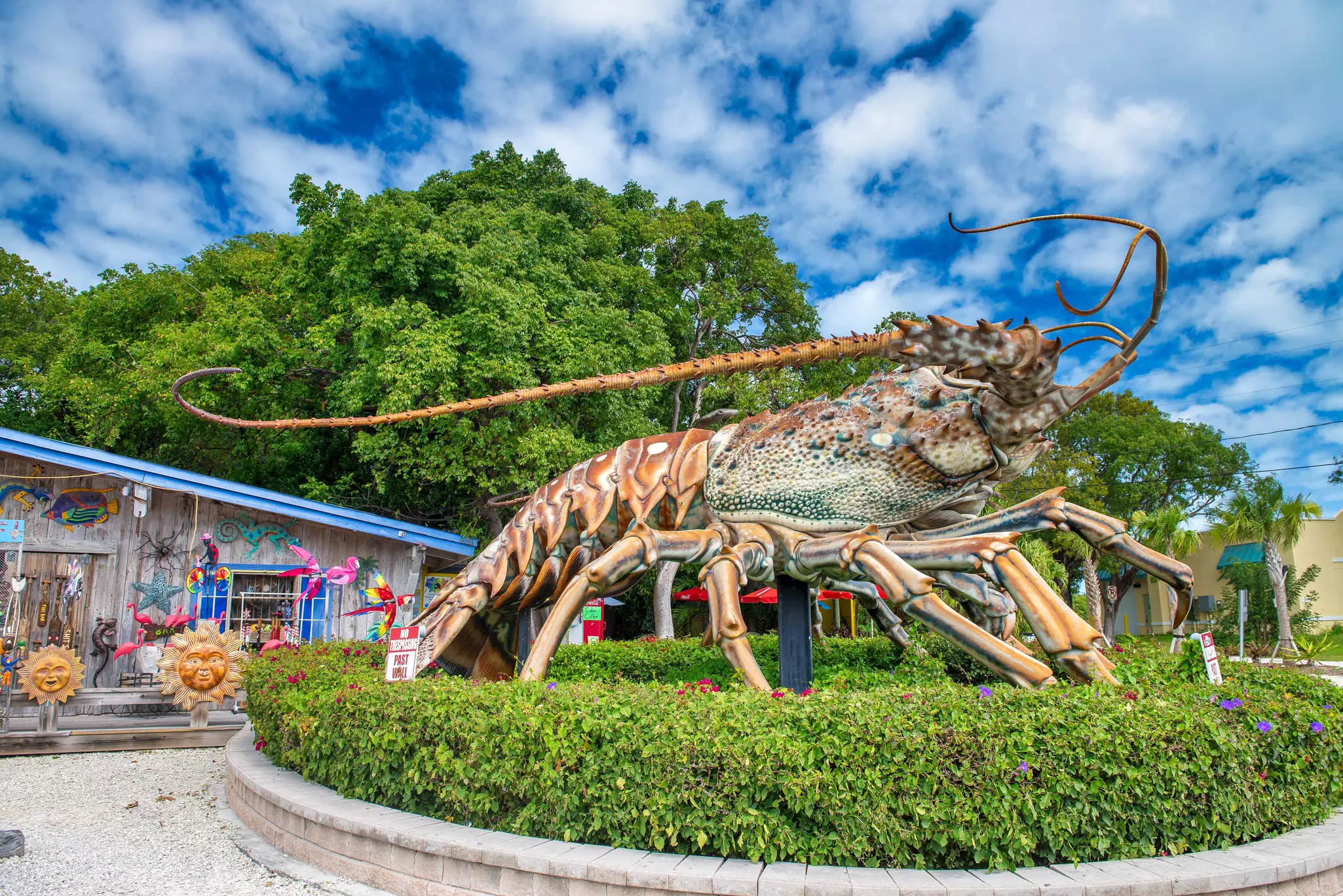
About 20 minutes further down the highway, satisfy your sweet tooth with a slice of authentic key lime pie at Blond Giraffe Key Lime Pie Factory. Down the road in Islamorada, pause to snap a photo with the 30ft-high sculpture Betsy the Lobster at Rain Barrell Village, before exploring the art from local artisans. Following the highway south brings you to the History of Diving Museum, where you can nerd out on all the history of all things underwater exploration–related.
After learning about aquatic pursuits, raise a glass of craft beer at Islamorada Brewery: keep it classic with a draft of the subtly citrus Sandbar Sunday, or taste the Keys with the key-lime-and-coconut-y No Wake Zone. Wrap up your road trip at Long Key State Park with a session of geocaching – real-world treasure hunt using your phone.
This article was adapted from Lonely Planet’s Miami & the Keys guide, published in August 2025.
Explore related stories