Sep 25, 202636 min read
The 23 Best Destinations for Solo TravelMar 26, 2026
5 MIN READ
Writer
A cairn and reindeer skull and antlers on the Arctic Circle Trail, Greenland

Writer
Highlights
Writer Graham Berry breaks down the cairn controversy in US national parks.
Park rangers place official cairns for safety in Carlsbad Caverns and Hawaiʻi Volcanoes.
Adding your own cairns in most national parks breaks vandalism and littering laws.
Try journaling, sketching or breathing exercises to mark the moment instead of stacking rocks.
Lonely Planet may earn a commission from affiliate links on our site. All recommendations and reviews reflect our own independent opinions.
Stacking rocks is one of humanity's most ancient art practices. But it is also contentious.
Hike far enough on just about any trail in the world and you'll likely spot a collection of stones placed atop one another to form impromptu sculptures. Some call them cairns. Others favor more colorful terms like "stone balancing" or "prayer stone stacks." Whatever the name, the act of stacking rocks is ubiquitous.
Over the past decade, rock stacking has become even more popular. What many don't know, however, is that the practice is controversial, particularly in US national parks and other protected areas. Depending on who you ask, it can be a crucial navigational device, a rewarding mindfulness practice or an environmental menace.
So is rock stacking as harmless as it seems? Let's dig in.
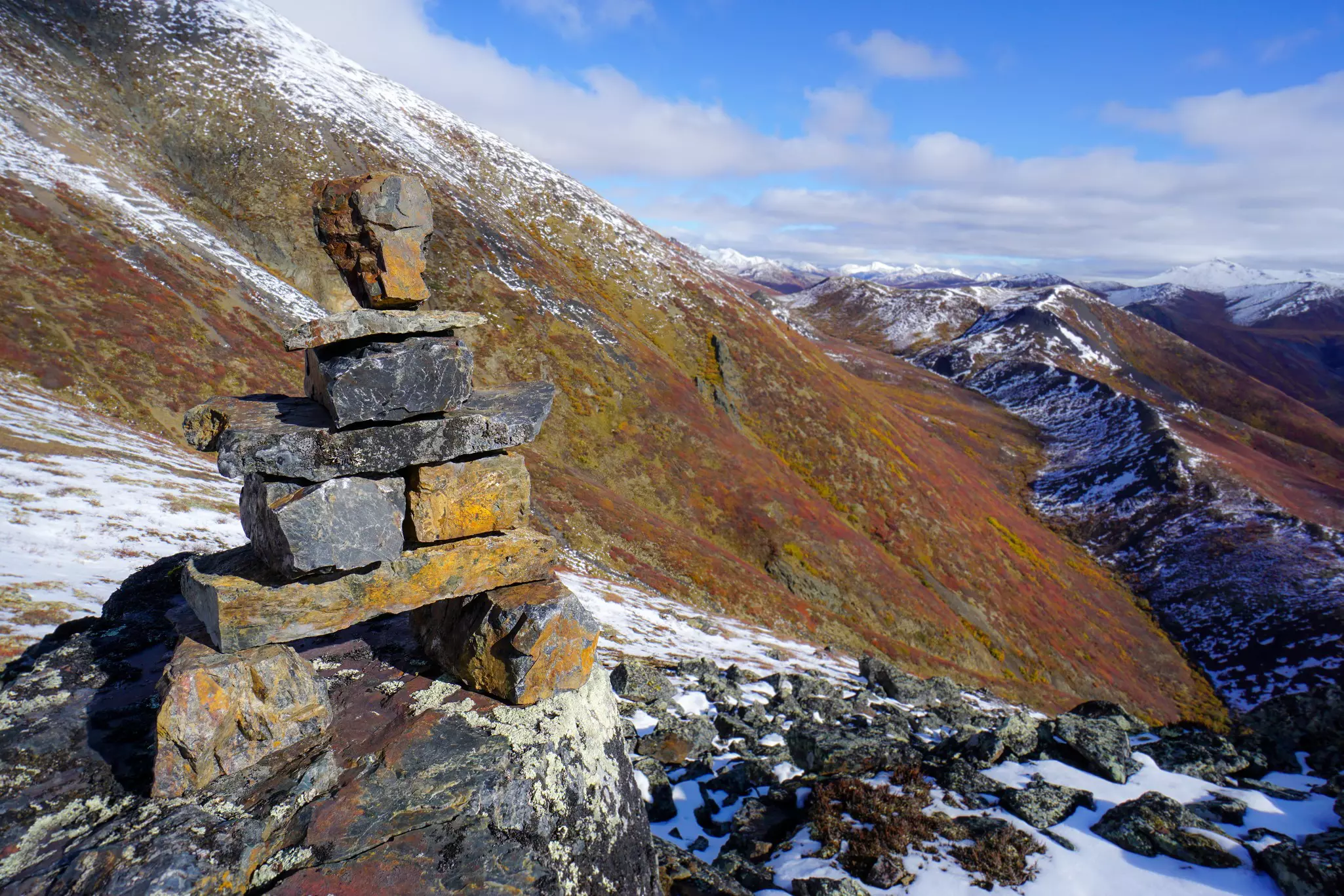
Cairns were our ancestors' first foray into building structures – by piling some rocks on top of each other, early peoples would have the beginnings of a shelter or a food cache, for example. In Mongolia, cairns marked burial sites in cemeteries. In Tibet, Buddhists used them in ceremonies to call in good fortune and balance out conflicting energies. Before the invention of lighthouses, cairns warned sailors away from Norway's jagged fjords.
Rock stacks became landmarks on hilltops in Scotland and trade route markers for sled dogs plowing through the Alaskan wilderness. For a time, they were a key tool in a strategy for hunting bison, used by a variety of Indigenous communities from the Rocky Mountain foothills to deep in the Dakota plains.
Today, the popularity of rock cairns has less to do with utility and tradition and more to do with social media. At least that's the opinion of the Colorado-based rock-stacking artist Michael Grab, who goes by the moniker Gravity Glue.
"It really started to blow up between 2014 and 2015," he said about the trend of stacking rocks in gravity-defying formations and then posting the photos on social media. "Then it exploded into this international art form, and what was maybe a handful of practitioners became hundreds." Others followed, stacking rocks on beaches, on hiking trails and, much to the chagrin of conservationists, in places where visitors are specifically asked to leave no trace.
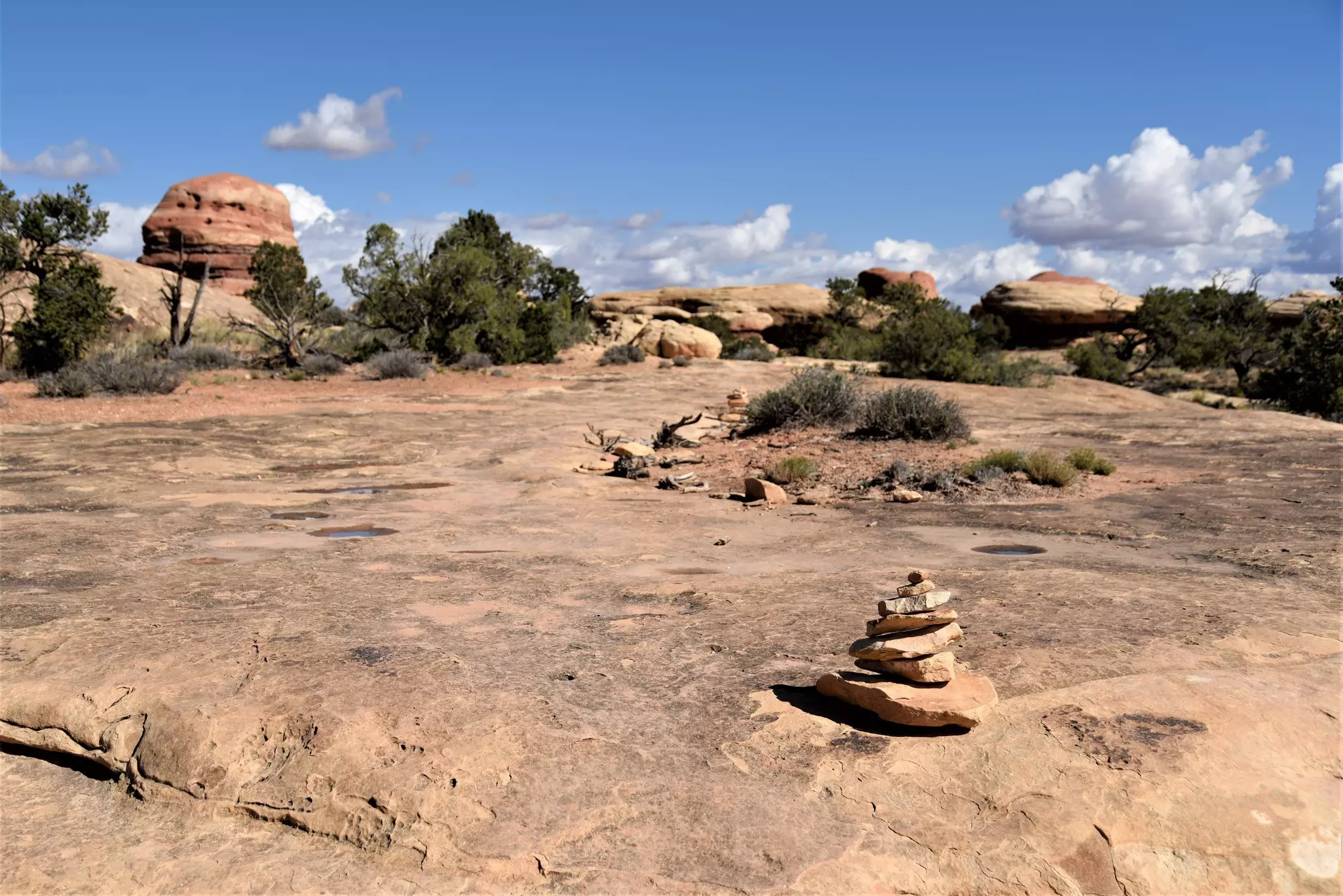
Some stacks mark a trail, especially in less frequently navigated backcountry, and a well-placed cairn can indeed save lives. For that reason, Michael Larson, a public information officer with the US National Park Service doesn't recommend kicking them over when you come across them, despite what you see on TikTok or online hiking forums. He points to certain locations where cairns are part of the official policy.
" Carlsbad Caverns National Park uses cairns for safety to assist visitors with finding trails in remote areas of the park's backcountry," Grab said. Along volcanic landscapes in the jagged terrain of Hawaiʻi Volcanoes National Park, where cairns are known as ahu, they're sometimes set up by park rangers, particularly in the most remote sections.
So before you start kicking over cairns, consider why they were set up in the first place. There's a good chance a park ranger stacked the rocks for safety reasons.
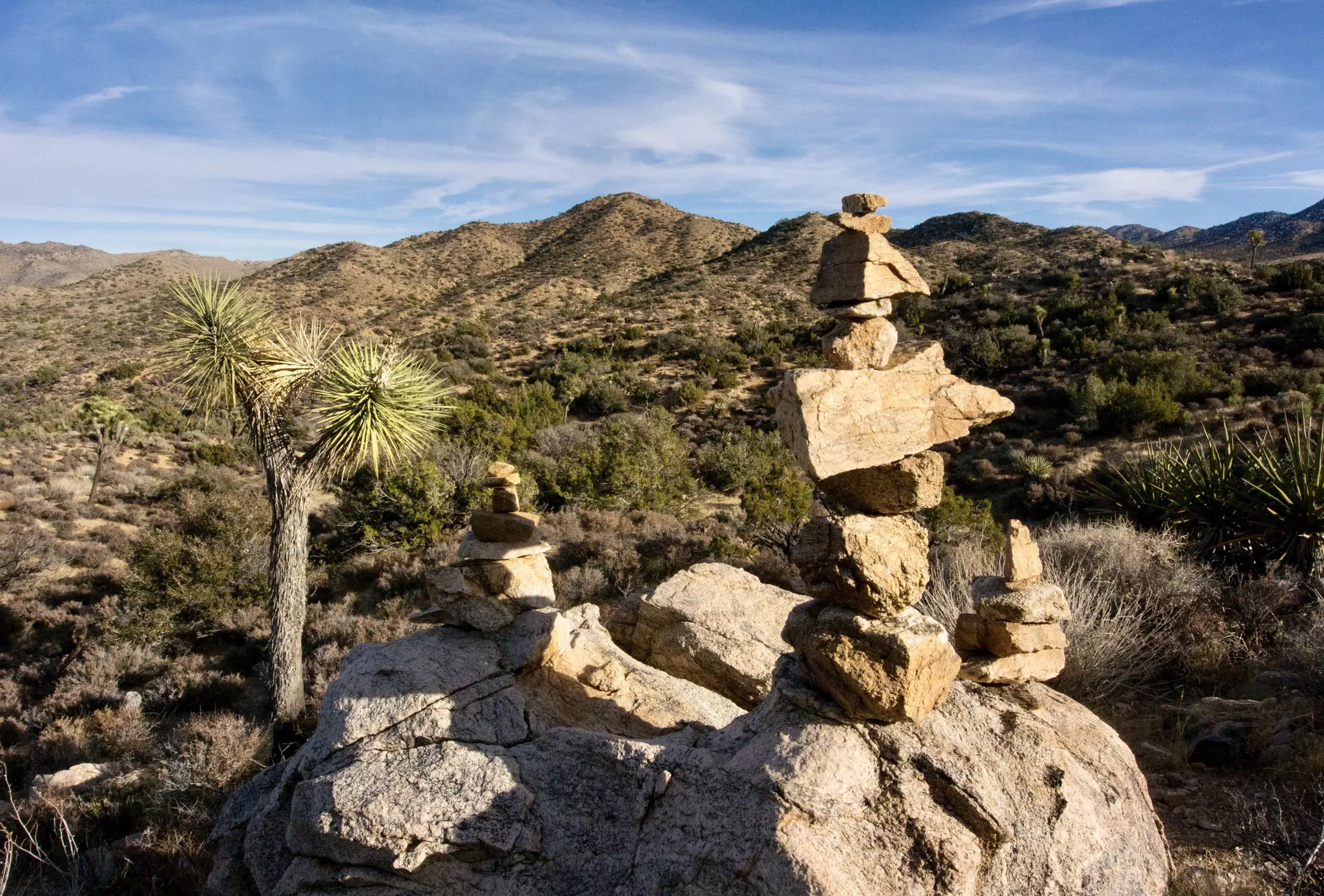
Besides potentially confusing lost hikers, critics say that stacking rocks can be culturally insensitive to past and present residents of the area. They also point to the cumulative effects that disruptions can have on ecosystems underfoot.
On mountain trails, critics have said that when just a few stacked rocks fall, it can trigger cascades that could hurt unsuspecting hikers below. Even when they're arranged to be completely safe, many nature photographers and other lovers of the outdoors say they're an eyesore, distracting from the untouched environment.
While the National Park Service at times employs rock stacks as part of its route-marking system, the agency prohibits people from adding their own cairns in most parks. Like carving initials into a tree, leaving trash at a campground or spray-painting your name on a boulder, rock stacking in most (but not all) national parks is punishable under the same laws that protect these places against vandalism and littering.
To differentiate official markers from impromptu ones, the National Park Service recommends that visitors check with park rangers for information about the design and materials used in the creation of any cairns along trails.
"We always encourage visitors to have a plan to find their way in park wilderness," said Jonathan Shafer, the public affairs specialist for Zion National Park. He also emphasized that cairns should never be your only navigation tool. "Especially in remote areas, it's important to have way-finding tools like maps and a compass or GPS to navigate," Shafer said.
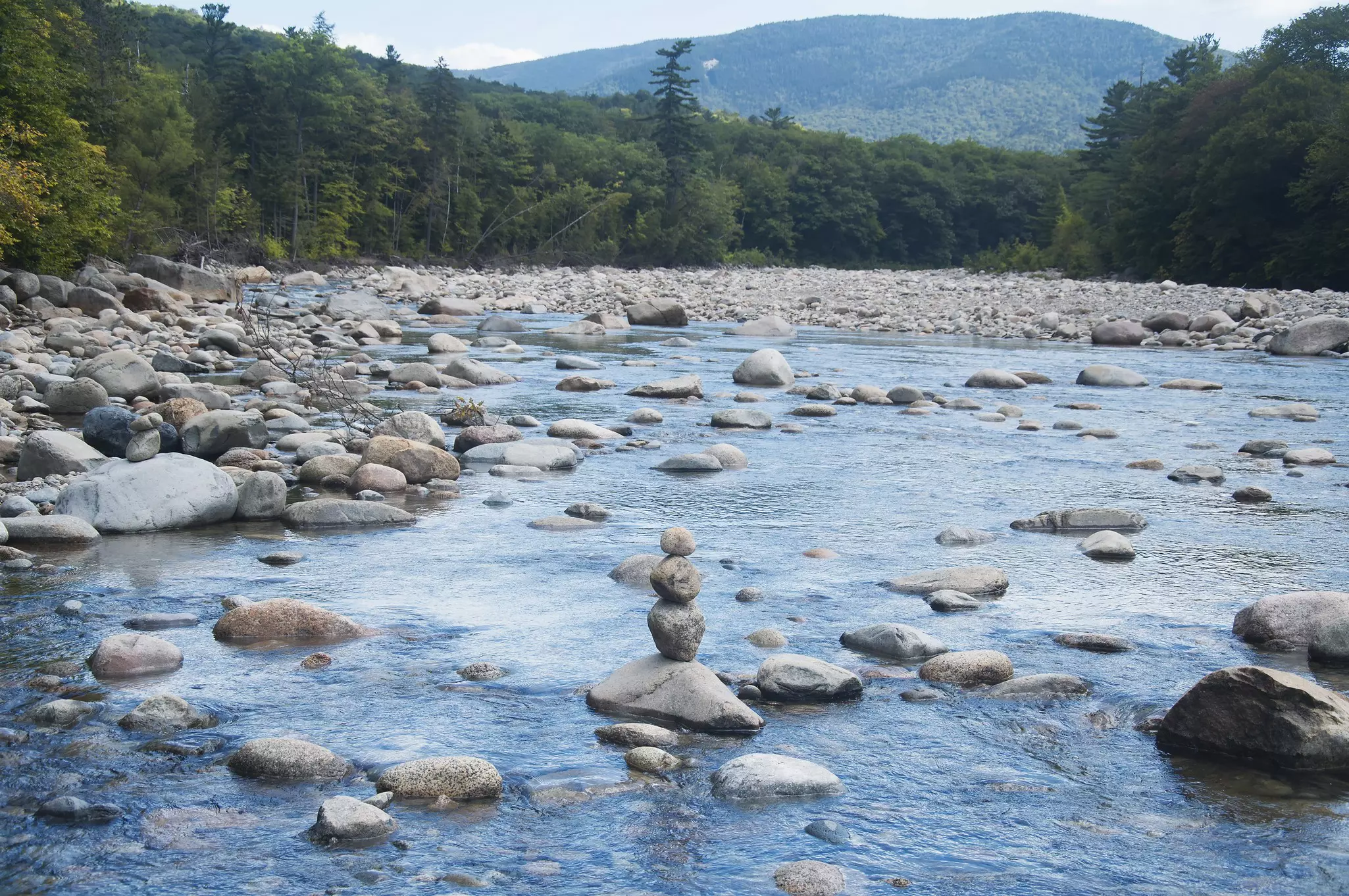
On its own, rock stacking isn't always a harmful practice, though it can be. For many people, it can also be therapeutic or even an artistic outlet. In remote locations, cairns can literally save lives. Always follow local regulations, and don't stack rocks in national parks or on other protected lands.
If you feel the urge to mark the moment on the side of a trail or riverbank, consider journaling, sketching, taking photos, or sitting quietly and doing some breathing exercises – collecting memories instead of objects. If you simply must build something, follow Grab's lead and leave no trace when you are done. "I take it down when I'm finished to close the loop," he said.
Book your United States trip with Lonely Planet Journeys
See United States how it's meant to be seen
Planned by local experts and tailored to you, Lonely Planet Journeys handles the logistics so you can just enjoy the trip. Tell us what you want and we'll build your United States itinerary from scratch, or browse our bookable trips to get inspired.

Explore related stories