Jun 9, 202610 min read
The Ultimate Week in Mallorca, SpainMar 23, 2026
6 MIN READ

Writer
Mallorca, Spain. Felipe Santibañez for Lonely Planet

Writer
Highlights
Lonely Planet's editors cover when to visit Mallorca for beaches, festivals and savings.
Spring and fall bring warm weather, fewer crowds and deals; catch April's PalmaVela regatta.
Summer peaks with beach clubs, nightlife and Palma's fiery Nit de Foc on June 23.
Winter suits hikers and slow travelers, with Christmas markets and mild temperatures from 12°C.
Lonely Planet may earn a commission from affiliate links on our site. All recommendations and reviews reflect our own independent opinions.
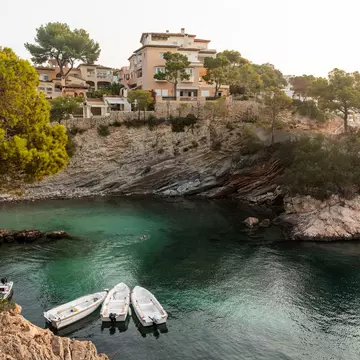
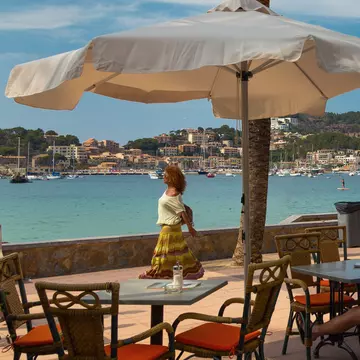
Basking in the balmy waters of the Balearic Sea 206km south of Barcelona, Mallorca entices visitors in every season with its lively cultural festivals and serene natural beauty. The island's vibrant capital, Palma de Mallorca, is a great year-round destination, while spring, summer and fall each lend a unique flavor to the rest of the island.
Whether you choose Mallorca for its beautiful beaches, nightlife or tranquil villages in the interior, here’s everything you need to know about when you should visit Mallorca.
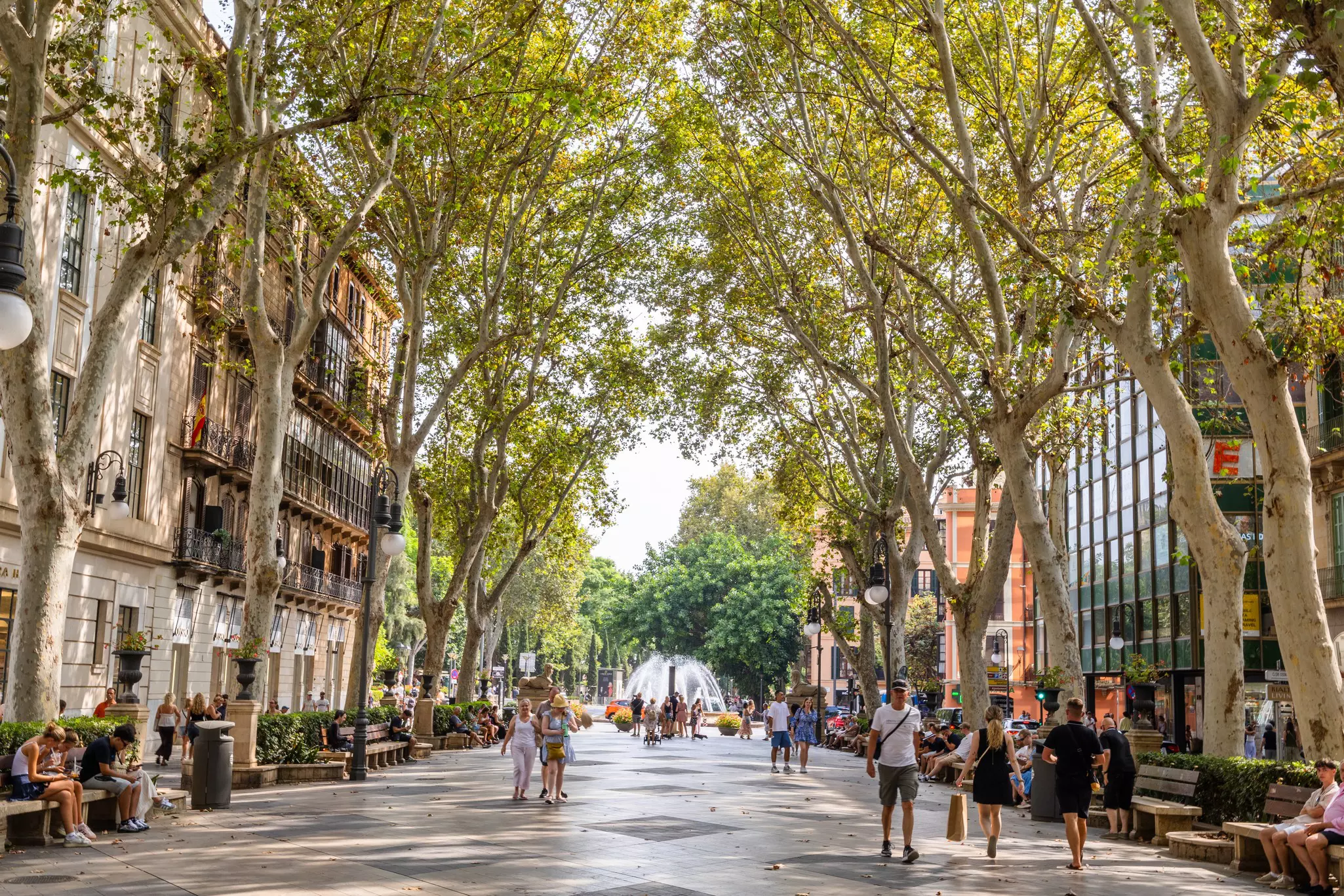
Weather in Mallorca in spring and autumn: Falling on either side of the busy summer months, Mallorca’s shoulder seasons are beautiful times to visit the island, with temperatures averaging around 20°C (68°F) in spring (April to June) and 25°C (77°F) in the fall (September to November).
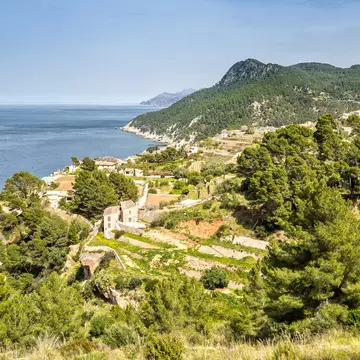
This is the perfect temperature for meandering around the medieval streets of Palma de Mallorca and exploring the villages and towns inland from the coast – be prepared for lots of walking!
While skies tend to be clear, there’s a chance of showers, with around 4 or 5 days of rain per month from April to June and in September and October (tuck a jacket into your luggage). During either period, you’ll see fewer crowds and find better deals on flights and accommodations.
Spring brings soft clouds of almond blossoms to the hills, and wildflowers dot the countryside. With fewer visitors, beaches are quieter and even more relaxing. If you come in April, be sure to attend the PalmaVela regatta, a major international sailing event in Palma.
Fall is harvest time on the island, and locals mark the grape harvest in September with three weeks of celebrations in the village of Binissalem for Festes de la Verema – a wonderful time to enjoy nature in the middle of the island.
Early fall is still pleasant for swimming and water sports, though thunderstorms are quite common in late August. October is usually the wettest month, but this refreshes the vegetation after the dry summer.
Don’t miss Nit de l’Art in the third week of September, when Palma’s museums and art galleries open their doors to the public for a gala night of art, exhibitions and performances.
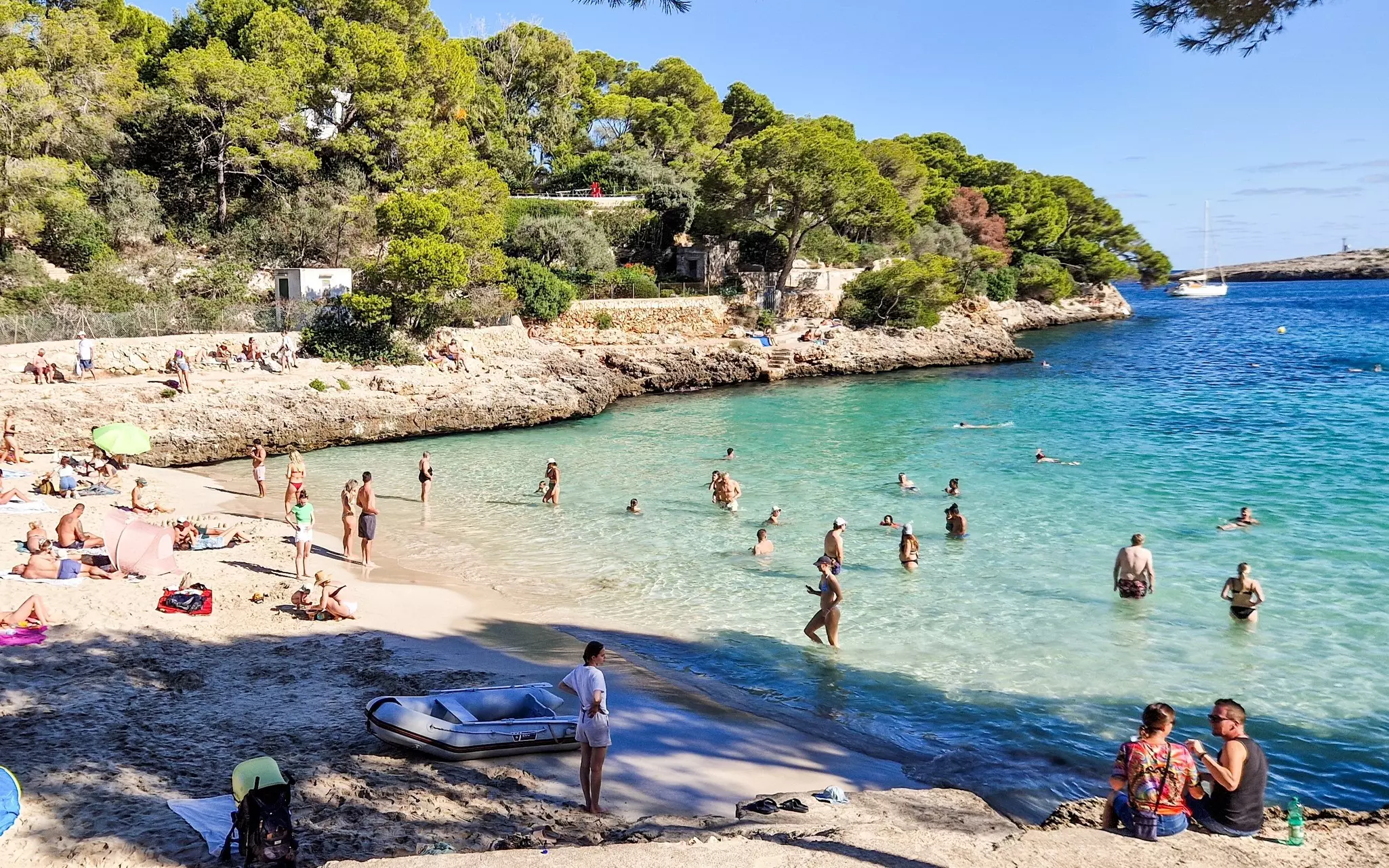
Weather in Mallorca in summer: Summertime is all about the beaches and lazy days spent outdoors, with plenty of alfresco dining, music festivals and open-air film screenings at night. Locals get into the summer spirit with celebrations such as Festa de la Verge del Carme on July 16, marked by processions in seaside villages.
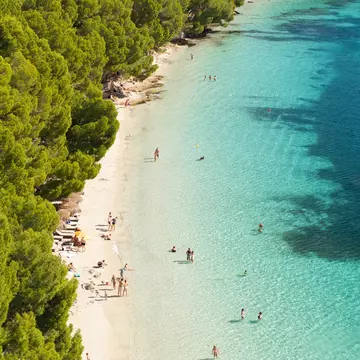
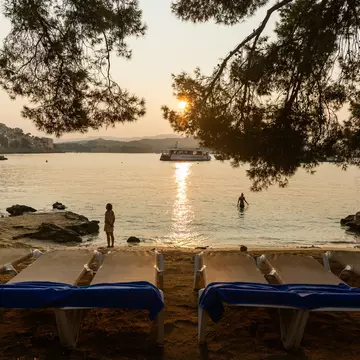
Mallorca gets hot in the summer, with temperatures between 28°C (82°F) and 35°C (95°F). It’s not great for strolling around but perfect for beach days in the sun. The Mediterranean Sea warms up, too, making this the ideal time of year for swimming. June and July are the driest months – July receives an amazing 346 hours of sunshine – but sea breezes help cool the island, and morning and evening temperatures are lovely.
Summer is peak tourist season in Mallorca, and it can get extremely crowded in popular destinations such as Magaluf, Playa de Palma and Palma's Old Town. Many people love the buzz in these vacation spots in the summertime – if you enjoy beach clubs, bars and exciting nightlife, this is probably the season for you.
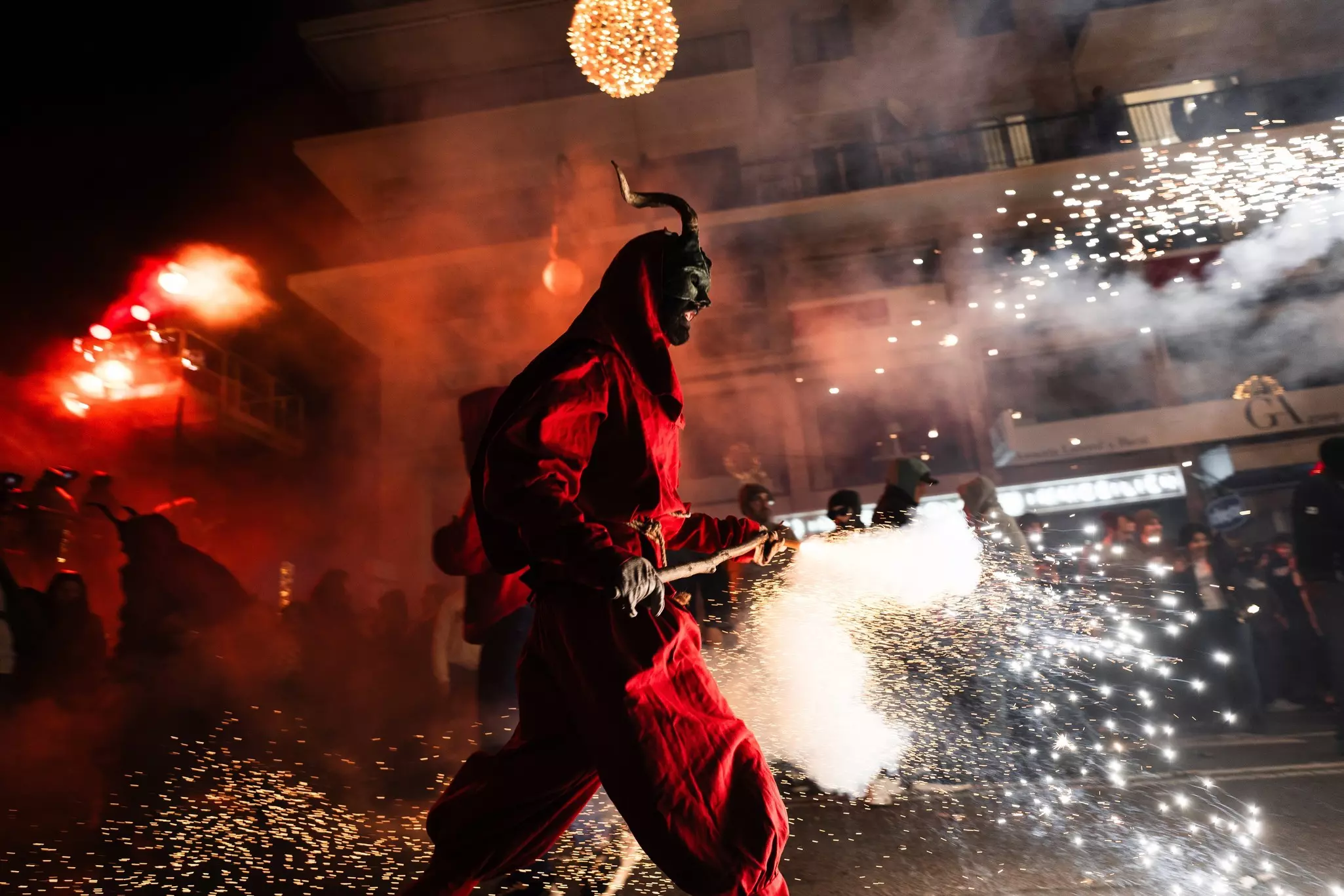
On June 23, locals celebrate Nit de Foc (the Night of Fire) in Palma. The evening before the midsummer feast of St John is embraced with fiery abandon; the correfoc (fire running) begins in Parc de la Mar, and fireworks blaze while costumed demons leap and dance. City beaches host musical groups and bonfires, and crowds party til dawn.
In July, Mallorca celebrates Día de la Virgen del Carmen, honoring the patron saint of sailors and fishers. Residents of port towns across the island carry statues of the Virgin Mary in procession, and boats are blessed and torches lit.
Buy tickets in advance for August's excellent Chopin festival, where internationally renowned pianists perform under starlit skies on the grounds of the Real Cartuja in Valldemossa.
Also check out Cinema a la Fresca, a program of free open-air movie screenings in public parks in August. For something more active, Marxa des Güell a Lluc a Peu is a traditional pilgrimage walk by candlelight from Palma to the sanctuary of Lluc, high in the Serra de Tramuntana.
With the sunny weather and busy cultural calendar, Mallorca welcomes more tourists in summer than at any other time of year, and accommodations and flights can be significantly more expensive. Book your trip well in advance.
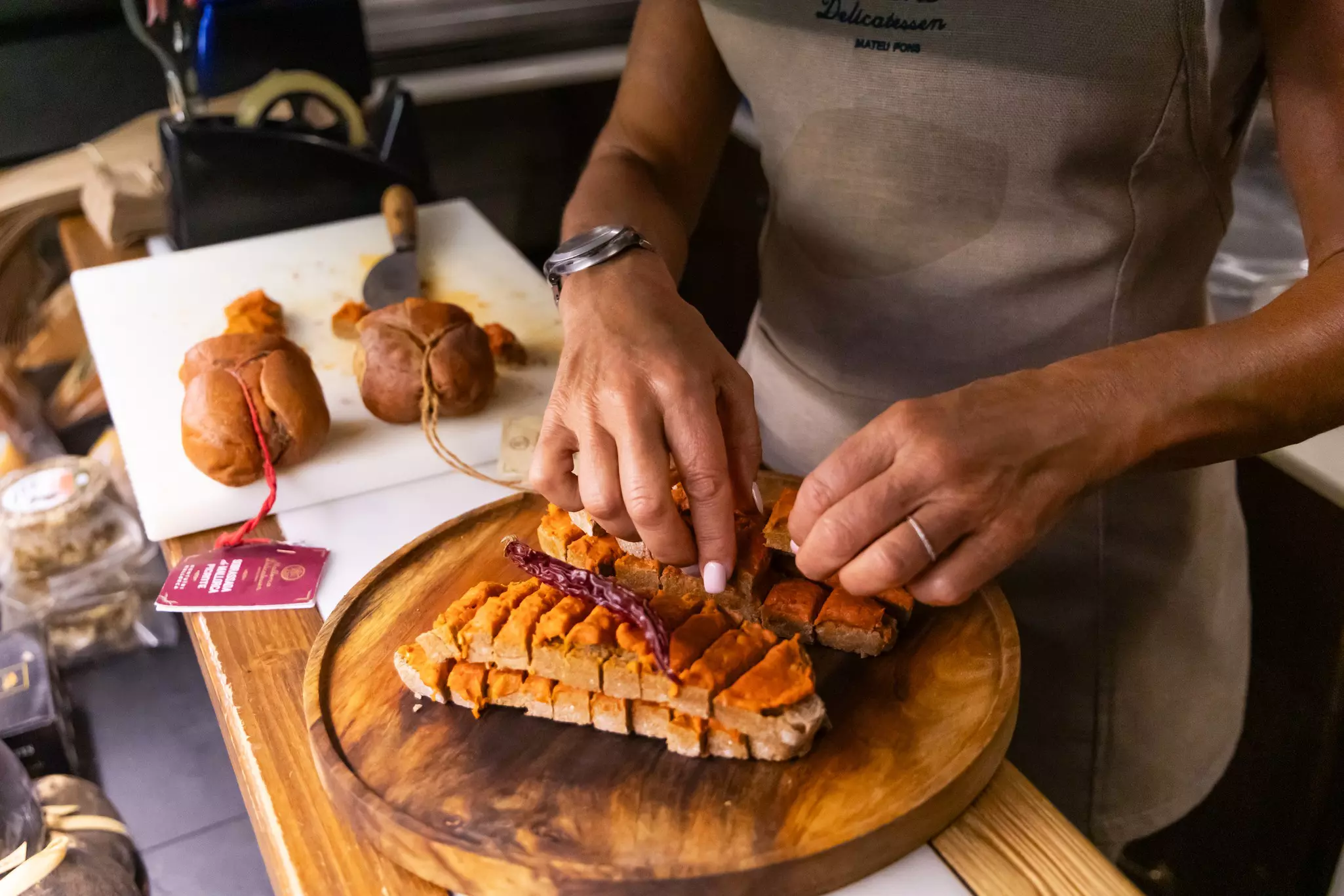
Weather in Mallorca in winter: Winter unveils a quieter, cooler side to the island. Palma twinkles with holiday lights, and Christmas markets line Passeig d'es Born, the city’s most appealing boulevard. But the Mallorcan winter is mild compared to most parts of Europe, with daytime temperatures ranging from 12°C to 17°C (54–63°F). Although this is the wettest time of year, it doesn’t rain all the time, with only occasional showers to disrupt exploring.
The cooler temperatures are perfect for hiking and outdoor activities such as exploring the villages of the interior with a rented bike, scooter or car – a dream road trip! With fewer visitors to the island, there’s less traffic and more space to explore at your own pace and revel in the easygoing vibe of slow travel.
This time of year is also ideal for experiencing Mallorca taste buds first, like the locals do, in Palma’s authentic Mallorcan restaurants. However, be aware that many tourist-oriented restaurants and hotels close in winter and don't reopen until after Easter.
On January 5, Los Reyes (Three Kings) parades take place all around the island. Palma starts the year with the festival of Sant Sebastiàn, when fireworks and live music fill the city’s stone-lined plazas.
Carnival kicks off the Lenten season across the island in February. In Palma, a children’s procession, Sa Rueta, is followed by a grown-up version, Sa Rua, with pumping music, costumes and colorful floats.
March can be a busy time, depending on the timing of Semana Santa (Holy Week) and Easter festivities, which can occur in the later part of the month into April. You can follow religious processions around the island: begin in Palma on Holy Thursday evening, then head to Pollença for its torchlit Good Friday Davallament (Descent from the Cross), and on Easter Sunday, go to Montuïri. For any of Mallorca’s winter celebrations, book accommodations well in advance.
This article was adapted from the Mallorca guidebook published in February 2025.
Book your Mallorca trip with Lonely Planet Journeys
See Mallorca how it's meant to be seen
Planned by local experts and tailored to you, Lonely Planet Journeys handles the logistics so you can just enjoy the trip. Tell us what you want and we'll build your Mallorca itinerary from scratch, or browse our bookable trips to get inspired.


Explore related stories