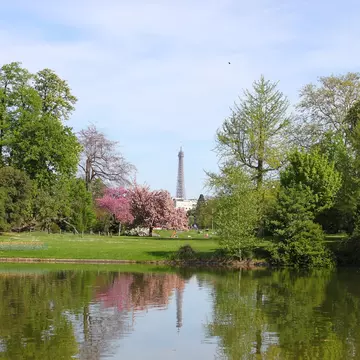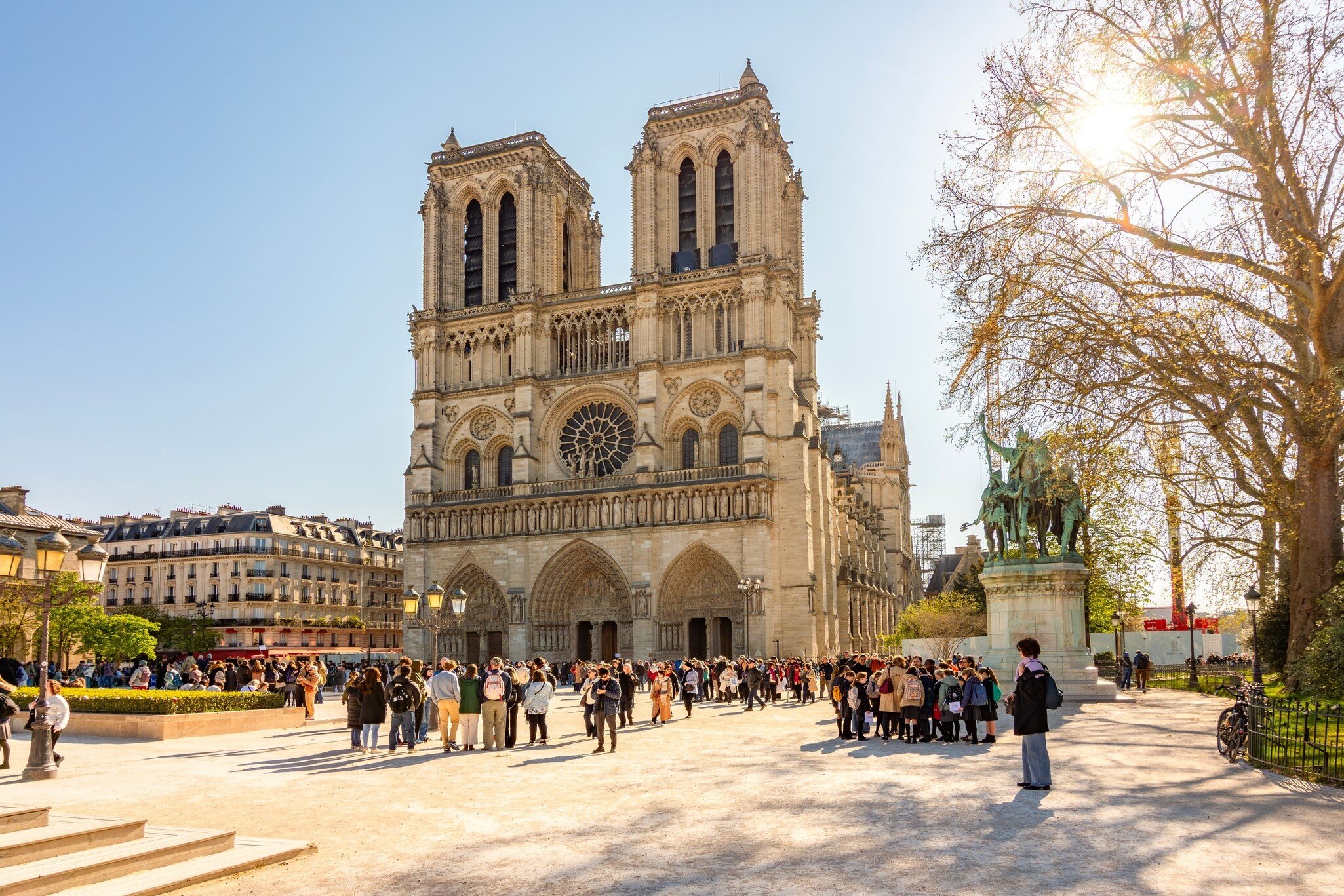
Standing right in the center of Paris on the Île de la Cité, one of two islands on the Seine, Notre-Dame – or Cathédrale Notre-Dame de Paris, to give it its full name – is one of the most recognizable monuments in the world.
Consequently, the whole world was watching when a fire broke out under the cathedral roof on April 15, 2019. It seemed almost impossible that a monument that had stood there since the 13th century (the first brick was laid in 1163) might suddenly disappear. Luckily the main building was saved, although Notre Dame sadly lost its famous spire and the cathedral was closed to the public while serious restoration work was undertaken. It reopened to the public in December 2024.
Plan your visit to the iconic Notre Dame with this guide.
What is the Best Time of Day to Visit Notre Dame?
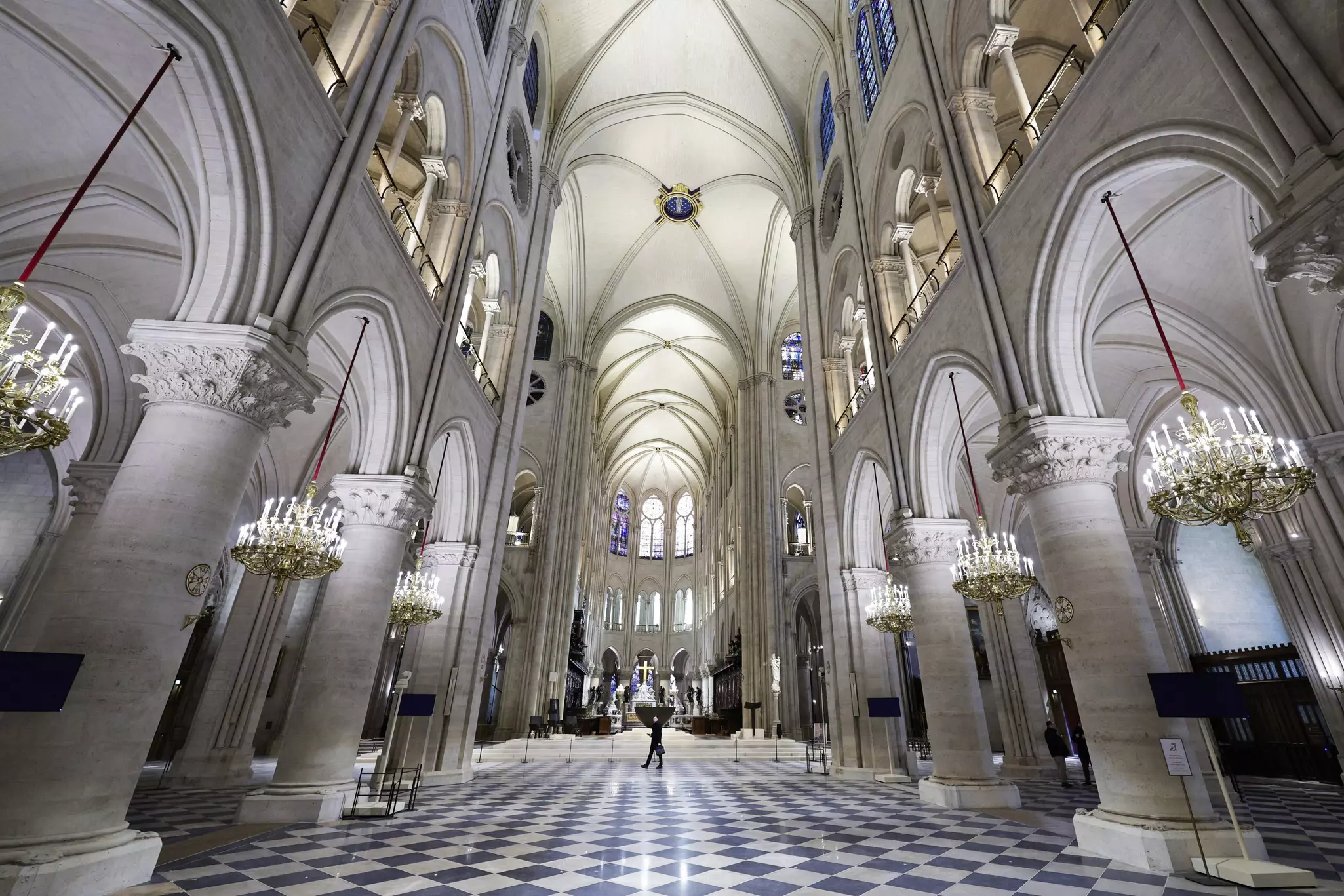
The cathedral has long been incredibly popular, however there are certain times of the day when it's even more crowded. Mass takes place at 8am, 12pm and 6pm every day and lasts for 1 hour. On Sundays, mass is held at 8:30am, 10am, 11:30am and 6pm, with the 6pm mass being the most crowded as it is led by the Archbishop. If you're purely there to sightsee, try to avoid visiting during these times. Visitors are also welcome to join other religious celebrations throughout the year.
How Much Time Should I Spend in Notre Dame?
A visit takes around 35 minutes or slightly longer if you’d like to pray and meditate. If you book one of the group tours of the surroundings, they usually take around 45 minutes to 1 hour to dive into the cathedral's history. These tours happen outside the cathedral and are intended to complement a scheduled interior visit.
How do I Make a Reservation to Visit Notre Dame?
The reservation system offers 10,000 to 15,000 spots per day, and guarantees fast-track entry. Slots are usually released only a few hours before, which means you cannot book a space several days in advance. Keep checking the site, as new slots are regularly released. Visiting Notre Dame is completely free, and you don't need to make a reservation in order to get inside, although you should expect to wait in line for around 20 minutes.
Are There Entry Fees?
The most important parts of the cathedral – the nave, the choir and the aisles – remain completely free. However, a visit to the Treasury costs €12.
Top things to see in Notre Dame
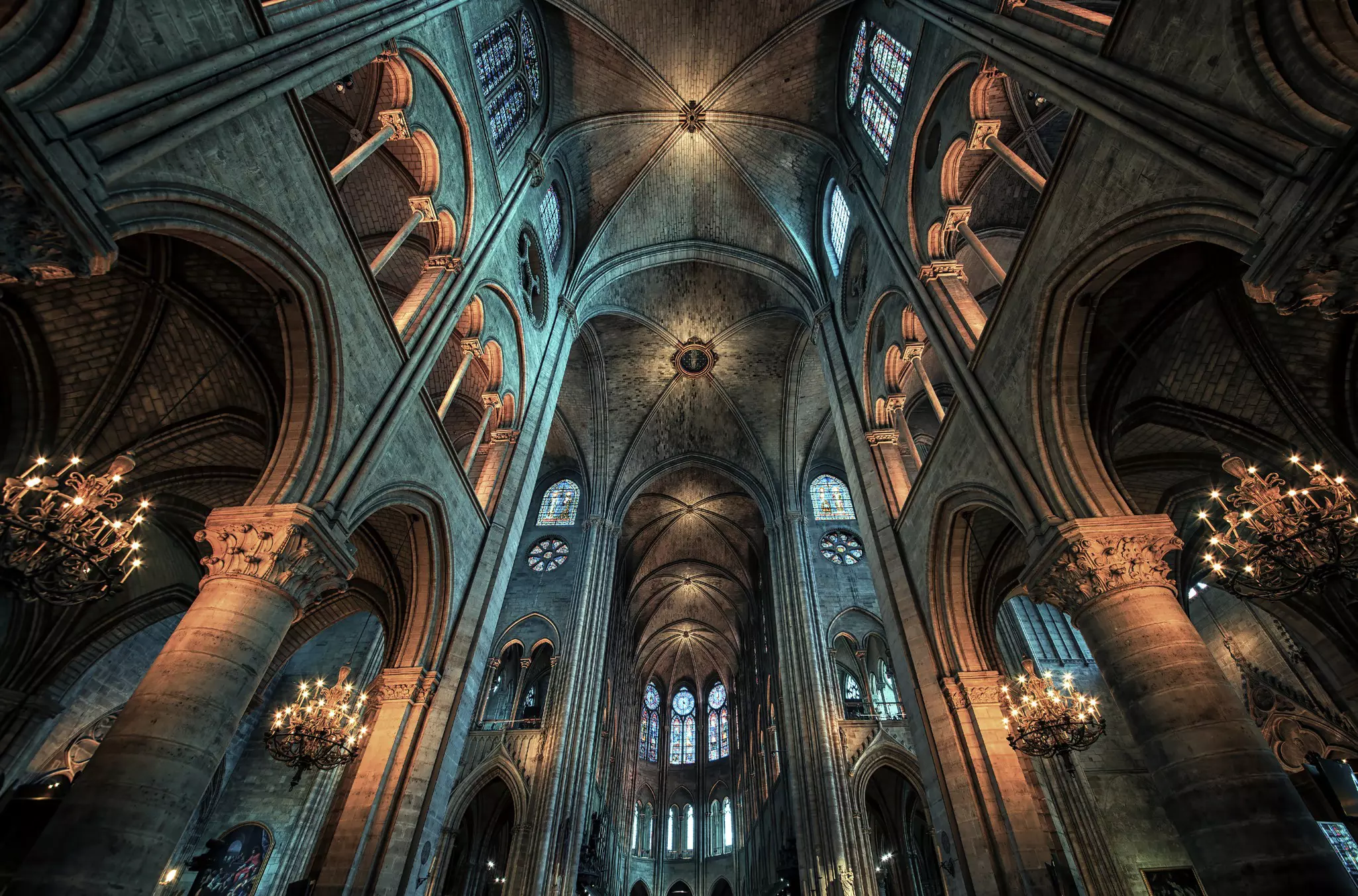
Visitors will enter through one of Notre Dame’s three arched doorways, the central portal of the Last Judgment, and then follow what the cathedral calls “a symbolic path,” which is the traditional route taken by pilgrims since the Middle Ages.
This takes visitors down the left aisle (called the North Aisle), past the choir and through the ambulatory at the back of the cathedral before coming back down the right-hand aisle (called the South Aisle). There are many devotional artworks, architecture and sculptures to look out for en route and plenty of information about them too, with more available on the official website. Here are three items particularly worth paying attention to:
The Statue of Our Lady
Notre Dame means “Our Lady” in English which, of course, refers to Mary, to whom the cathedral is dedicated. So it makes sense that a statue of the cathedral’s namesake in the form of the Virgin and Child would be one of – if not the most – important statue in the cathedral.
The 14th-century sculpture wasn’t actually made for Notre Dame, it came from the nearby Chapel of Saint-Aignan, which was also on the Île de la Cité, in 1818 to replace an even older 13th-century Virgin destroyed in 1793. After originally sitting in the Portal of the Virgin, it was moved to the altar dedicated to Mary by the southeast pillar of the cathedral near the choir – an important place of devotion since the Middle Ages.
The "Mays" of Notre Dame
The Mays are large-scale paintings that were commissioned by the Parisian Goldsmiths' Guild and offered to the cathedral between the years of 1630 and 1707, although the tradition of offering a smaller “May” started way back in 1449.
The theme of each painting was agreed with the canons of Notre Dame, although they always represented The Acts of the Apostles – scenes from the lives of Jesus’ first disciples. Painters were invited to submit their ideas, making it a competition of sorts, and artists usually came from the renowned Royal Academy of Painting and Sculpture. As no museums existed at the time, receiving a commission for a May was a big deal for an up-and-coming painter, who would have the chance to have their work on permanent display in one of France’s most important cathedrals.
When the Goldsmiths’ Guild closed in 1708, the tradition of offering a May ended with it and only a few of the paintings remain in Notre Dame, with the rest found in the Musée du Louvre and fine arts museums and churches across France.
The Holy Crown of Thorns
The Crown of Thorns belongs to the cathedral’s collection of the relics of the Passion, which are believed to be the objects used to crucify Jesus Christ. The collection also includes a piece of the cross and a nail, but it’s the crown of thorns that is considered to be one of the most precious and important relics of the Catholic religion.
Although there are no thorns left on the crown – over the centuries they have been scattered throughout the world – you can still see a circle of rushes held together by gold threads in the crystal and gold tube that contains them. The crown was luckily saved from the fire and transferred to the Louvre for safekeeping but has now returned to its rightful home in Notre Dame. It's publicly displayed every Friday from 3pm.
My Favorite Thing to See in Notre Dame
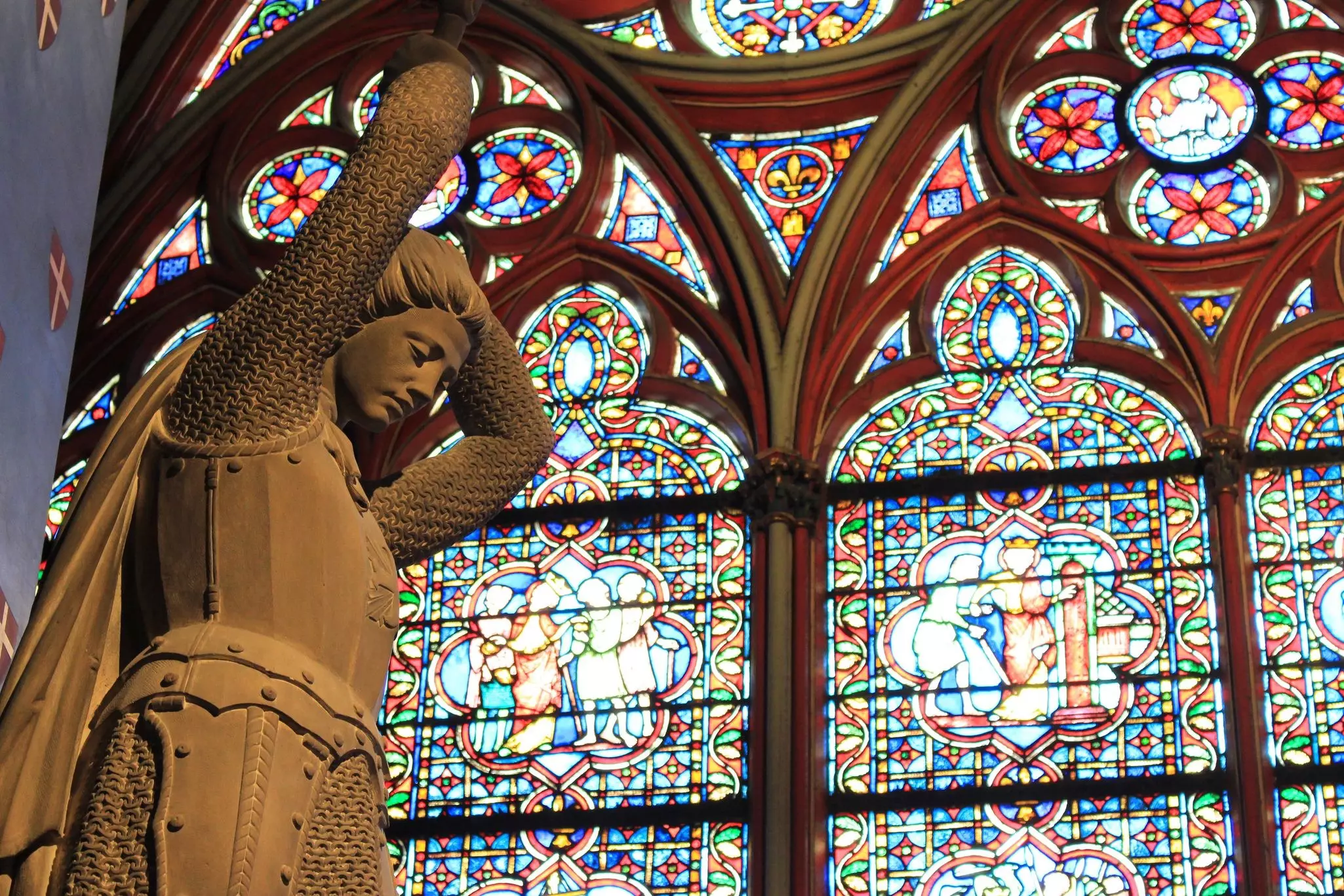
I’ve always appreciated the craftsmanship and beauty of stained glass windows but the ones at Notre Dame really stand out as a colorful contrast to the cathedral's imposing Gothic architecture. I also find it amazing that so much care was taken to make them: stained glass was a fairly new invention at the time the cathedral was built in the 12th century and to do it well cost time and money.
The pigment needed to achieve an intense blue, for example, came from lapis lazuli, which has to be imported from mines as far away as Afghanistan – not a quick and easy option 900 years ago! Although many of the windows have had to be restored or replaced over the years, the north rose window, which was built around 1250, still has most of its original 13th-century glasswork.
When is Notre Dame Open?
Notre Dame Cathedral is open every day of the year. From Monday to Friday, it’s open from 7:50am to 7pm, except on Thursdays when it’s open late until 10pm. On Saturday and Sunday, it's open from 8:15am to 7:30pm.
How Much has Notre Dame Changed Since the Fire in 2019?
When the fire at Notre Dame broke out in 2019, it destroyed the cathedral’s recognizable spire (called la flèche in French, meaning “the arrow” in English) and most of the roof. Although it was damaged in parts, the main building was thankfully saved, including the cathedral’s Catholic relics and works of art.
There were varied and unusual ideas proposed for how to restore the historic monument, including a glass spire and a rooftop garden, but the National Commission for Heritage and Architecture (CNPA) unanimously approved plans to restore the cathedral to exactly how it stood on the morning of the fire, including rebuilding an identical spire, just as it was designed back in the 19th century. You can find more information about the rebuilding of the cathedral on the website of Friends of Notre-Dame de Paris, a group established in 2017 that works to support the restoration and preservation of the cathedral.
What's the Best Way to Get to Notre Dame?
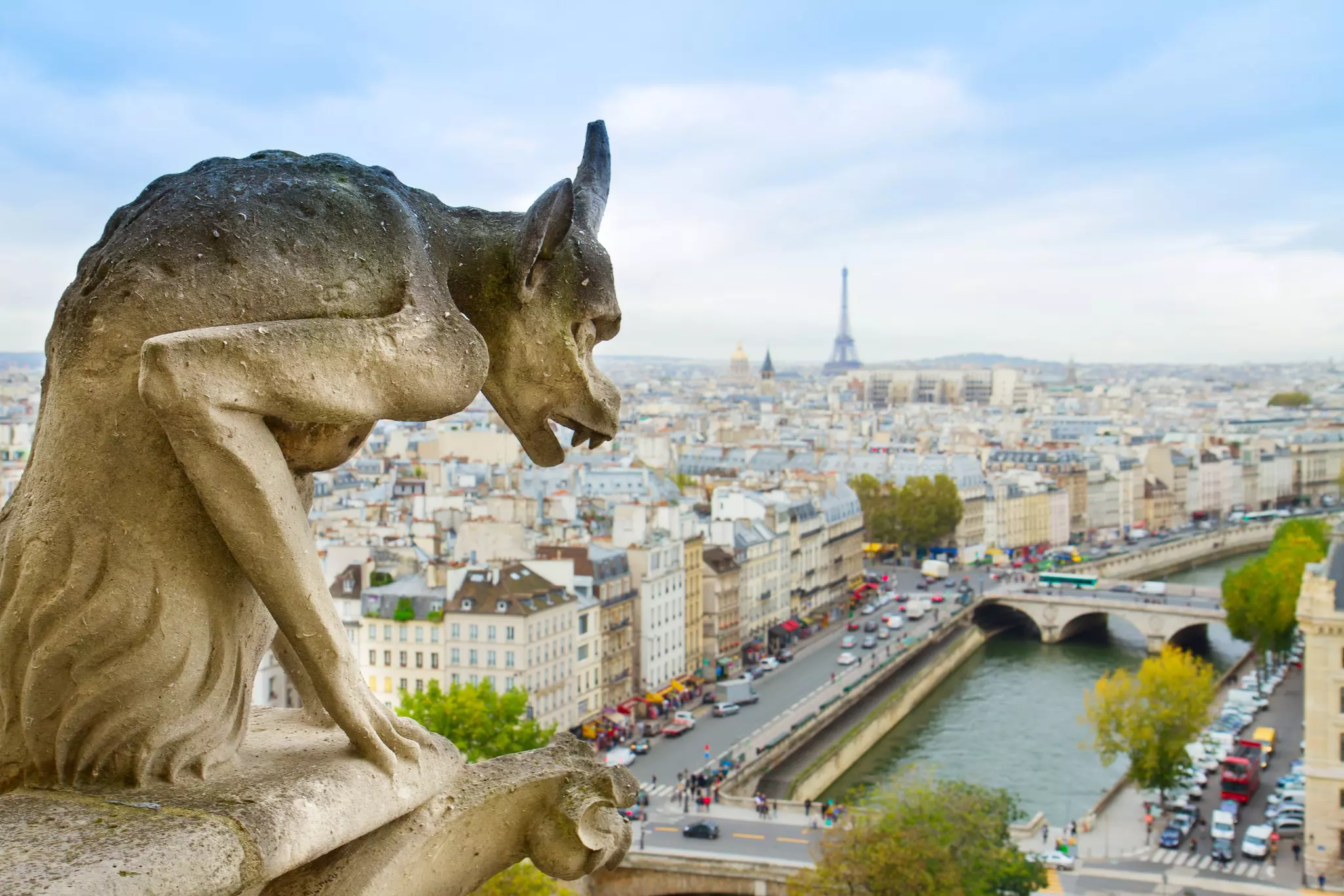
Notre Dame sits right in the center of Paris and getting there is easy on the metro or on foot; the nearest metro station, Cité, is just a 5-minute walk from the cathedral. Alternatively, you can get off earlier at Hôtel de Ville and walk over one of two bridges that connect the island to the Right Bank of Paris – Pont Notre-Dame or Pont d'Arcole – for views across the Seine. Even better, if you’re coming from the Left Bank, you can get off at Saint-Michel and walk across the Petit-Pont-Cardinal-Lustiger, better known simply as the Petit-Pont, for a photo opp of the cathedral.
Is Notre Dame Suitable for all Ages?
Notre Dame is open to people of all ages. Visits take around 30 minutes and with no steps to climb, it’s suitable for pretty much all fitness levels. It's also very accessible for pushchairs.
Is Notre Dame Wheelchair Accessible?
Almost all of the cathedral is fully wheelchair accessible. Wheelchair users can enter through the portal of the Last Judgment, which is the middle portal, and can exit through the portal of the Virgin Mary (note that you’ll need to ask a security guard to open this portal when you’re ready to leave). Notre Dame has had extensive work done to make it accessible to visitors with mobility issues – check the website for more detailed information on adapted services for all.
How do I Visit Responsibly?
First and foremost, Notre Dame is a place of worship, so the usual etiquette applies. Remove any hats, put your mobile phone on silent and speak in hushed tones, so as not to disturb mass or anyone taking time for a moment of prayer or meditation. Please don't open any food or drink within the cathedral.
Should I Take a Tour?
If you have time, a guided tour of the exterior is the best way to enhance your experience and learn more about the history of the cathedral – even better, they’re free. Alternatively, you can rent an audio guide at one of the welcome desks or download the Notre Dame app for a free written guide with images. If you don’t have time for either, you can still enjoy the incredible beauty of the cathedral by strolling around at your own pace.
Where Should I Eat Near Notre Dame?
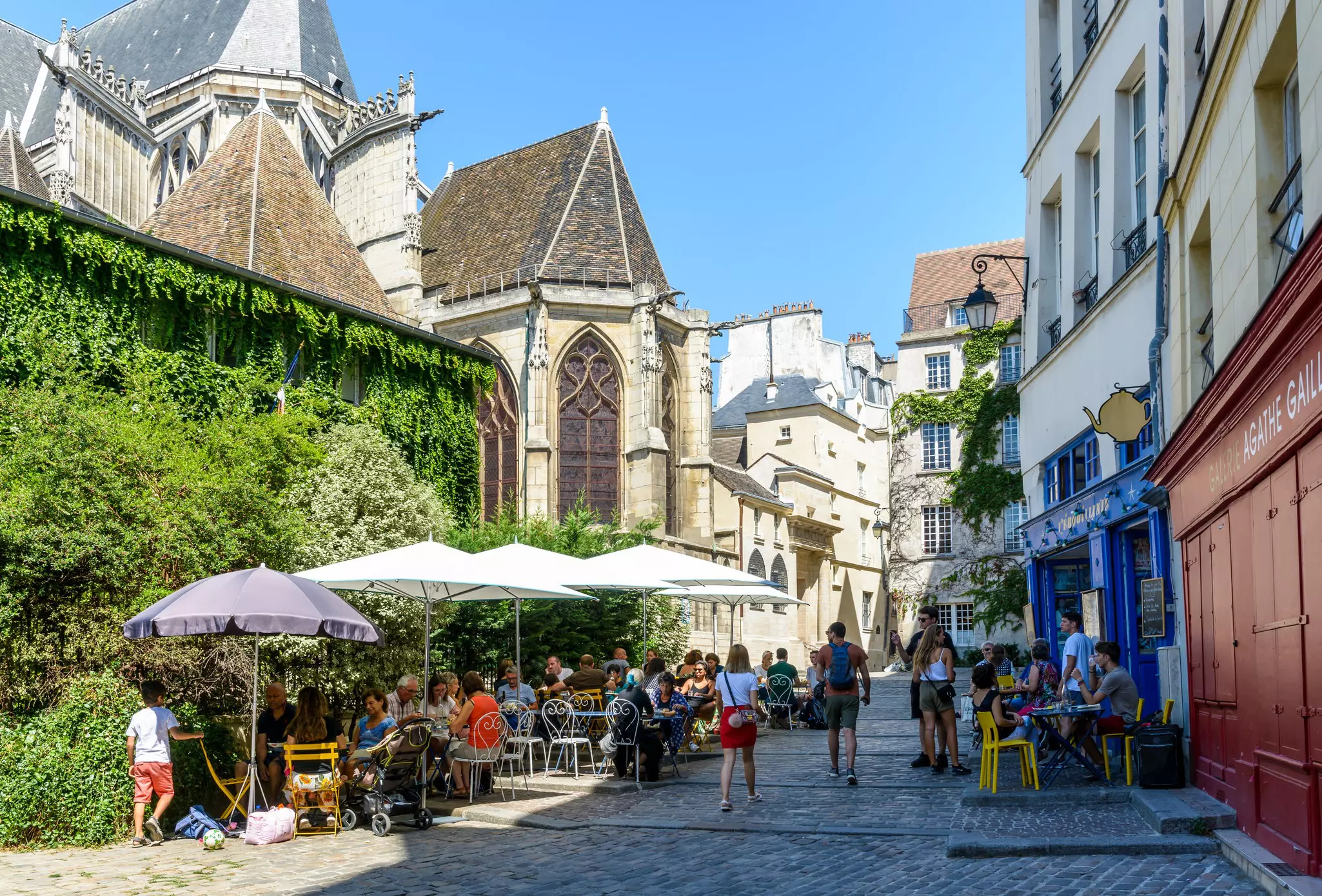
There are a lot of expensive tourist traps around the cathedral so it's best to walk a little further to Le Marais, where you’ll find tons of great options in one of the oldest and most charming parts of Paris. For a quick and affordable bite try Caractère de Cochon for one of Paris’ best jambon-beurre (ham and butter) sandwiches, Breizh Café for Paris’ best crêpes, and Miznon for delicious Mediterranean street food.
Head to Les Philosophes for well-priced, well-done classic French food, or sister restaurants La Chaise au Plafond and Au Petit Fer à Cheval which are on the same street. For a more gastronomic experience, arrive early to snag a table at Les Enfants du Marché, which serves up creative, high-end cuisine in one of Paris’ oldest markets, or book a table at the one-Michelin star Datil to try Chef Manon Fleury’s thoughtful interpretations of the best seasonal and local produce.