Wales
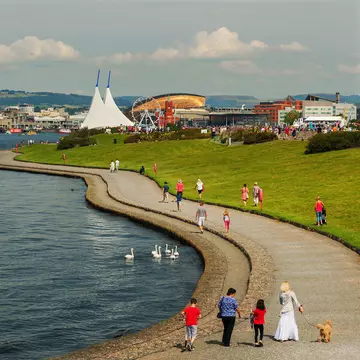
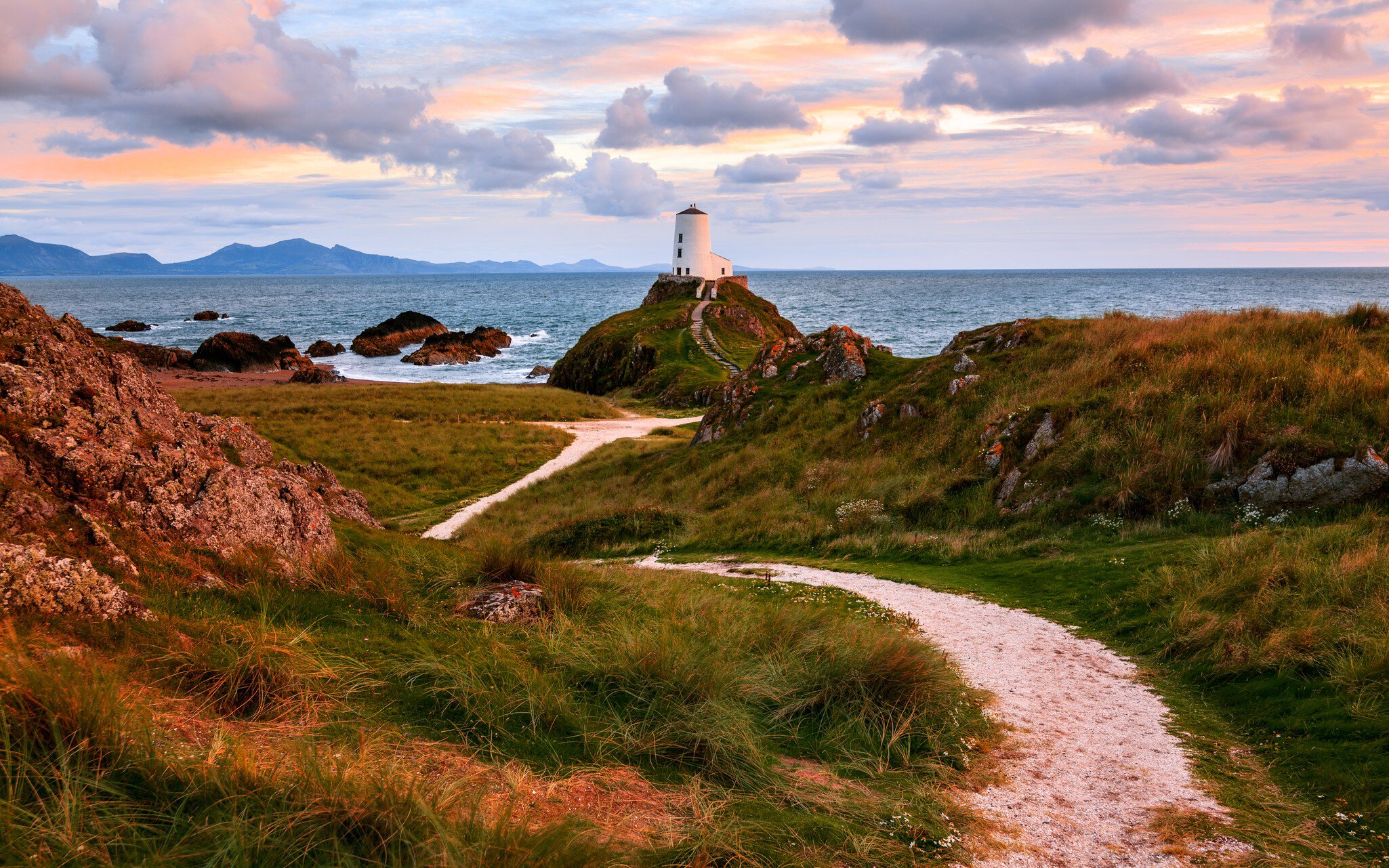
The phrase 'good things come in small packages' may be a cliché, but in the case of Wales it's undeniably true.
Joe Daniel Price/Getty Images
Latest Stories
- Emma Sparks | Jun 21, 202611 of the best beaches in Wales
- Lonely Planet Editors | Sep 4, 2025The 10 best castles to visit in Wales
- Amy Pay | Aug 1, 2025A first-time guide to Wales
- Kerry Walker | Jul 18, 2025The 12 best things to do in Hay-on-Wye, Wales
Book

Trusted Partner
Dreaming of Wales? Protect your trip
Travel with confidence. Protect your trip and your wallet.
We don’t represent World Nomads, we receive a fee from quotes using this link. This is not a recommendation to buy travel insurance.
Book your Wales trip with Lonely Planet Journeys
See Wales how it's meant to be seen
Planned by local experts and tailored to you, Lonely Planet Journeys handles the logistics so you can just enjoy the trip. Tell us what you want and we'll build your Wales itinerary from scratch, or browse our bookable trips to get inspired.


Top places to visit in Wales
Discover the best attractions in Wales from must-see sights to unexpected hidden gems.
-
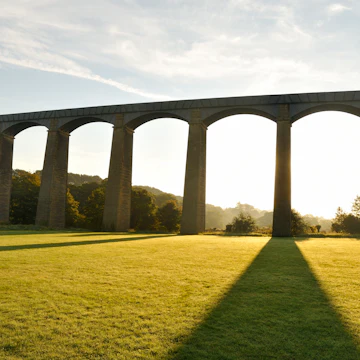 Attraction in Snowdonia & the LlŷnPontcysyllte Aqueduct & Canal World Heritage Site
 -
 Attraction in Snowdonia National Park (Parc Cenedlaethol Eryri)Sygun Copper Mine
 - Attraction in Snowdonia & the LlŷnSt Winefride's Well
- Attraction in Snowdonia & the LlŷnRuthin Craft Centre
- Attraction in CardiffSt Fagans National History Museum
- Attraction in Snowdonia National Park (Parc Cenedlaethol Eryri)Mawddach Estuary
-
- Attraction in Snowdonia & the LlŷnNantclwyd y Dre
Travel Guides
Wales travel tips from Lonely Planet experts
Find practical guidance from our team of contributors around the world who bring their decades of first-hand travel experience to your next trip.
Best Things to Do
Hike with sheep, sip gin at a microdistillery, gaze up at the skies and take in countless castles: Wales offers adventures aplenty.
Read full article
Best Time to Visit
The main factors that will determine when to visit Wales are your budget, your tolerance for rain, and the activities you'd like to do.
Read full article
Transportation
Whether you prefer to travel by rail, bike, bus, or car we can help you plan your trip to Wales with these top tips for getting around.
Read full article
Best Road Trips
Here are the top road trips in Wales, where you'll enjoy glacier-sculpted peaks, wave-bashed cliffs and brooding mountains.
Read full article
Best Places to Visit
Rugged mountains, wave-smashed coasts, exciting cities and castles galore: small but mighty Wales has many places that enchant visitors.
Read full article
Get a book. Get inspired. Get exploring.

in partnership with getyourguide
Book popular activities in Wales
Lonely Planet may earn a commission from affiliate links on our site. All recommendations and reviews reflect our own independent opinions.
Wales and beyond
- destinationCardiff