
Vatican City, Borgo & Prati
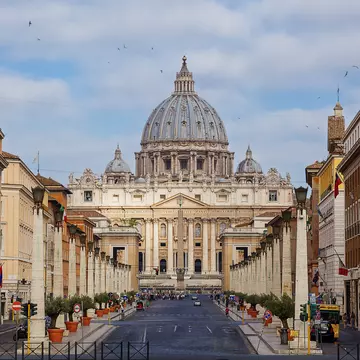
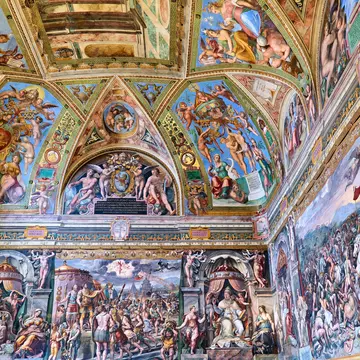
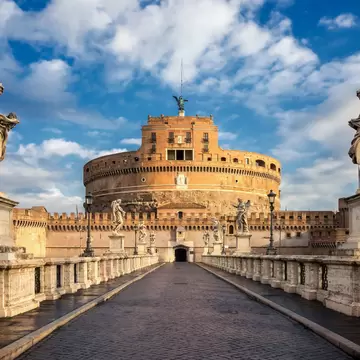
The Vatican, the world’s smallest sovereign state, sits over the river from Rome's historic centre. Radiating out from the domed grandeur of St Peter’s Basilica, it boasts some of Italy’s most revered artworks, many housed in the vast Vatican Museums (home of the Sistine Chapel), as well as batteries of overpriced restaurants and souvenir shops. Nearby, the landmark Castel Sant’Angelo looms over the Borgo district and upmarket Prati offers excellent accommodation, eating and shopping.
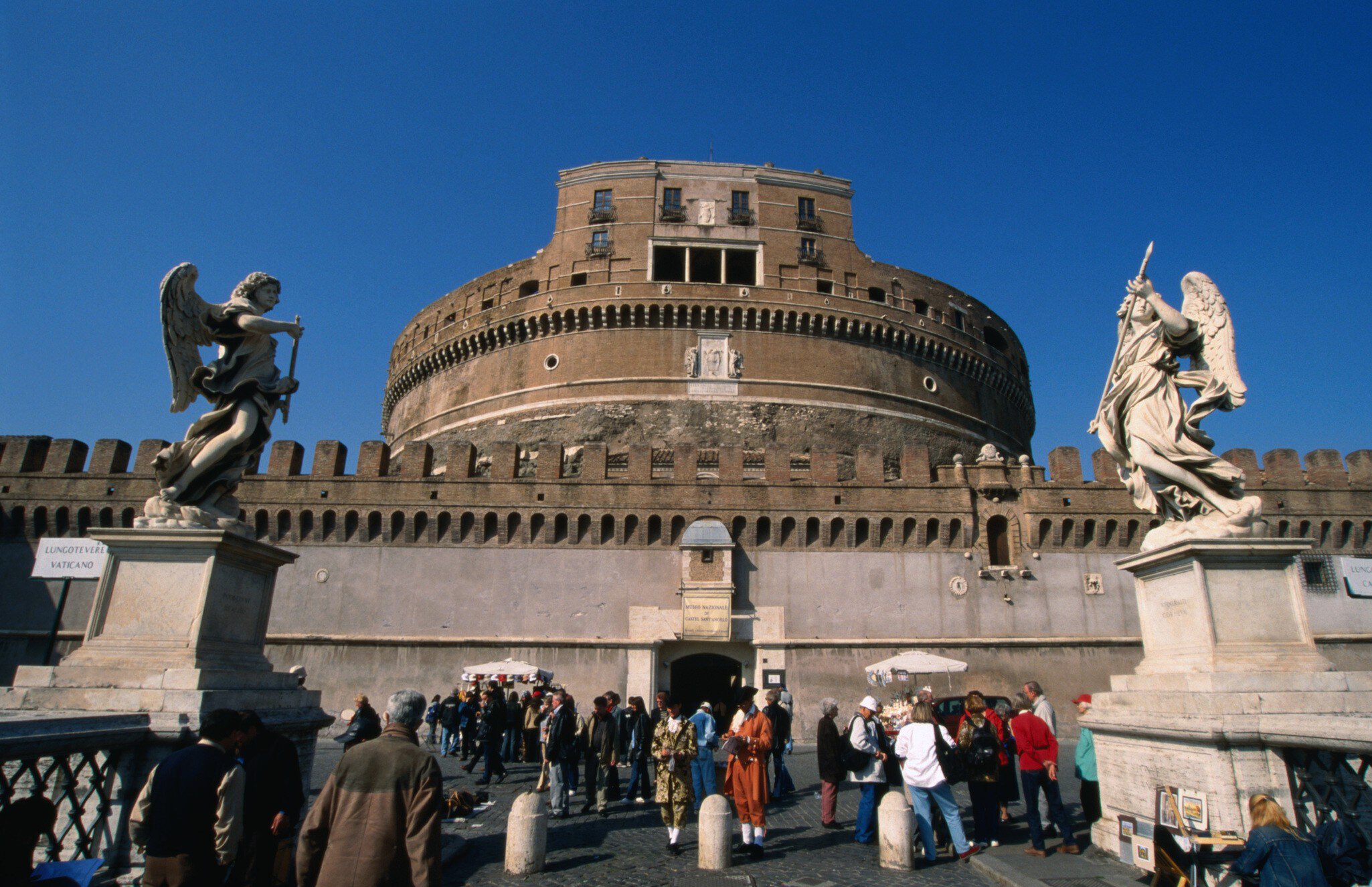
©Martin Moos/Lonely Planet
Book
Trip 

Trusted Partner
Stay connected in Vatican City, Borgo & Prati
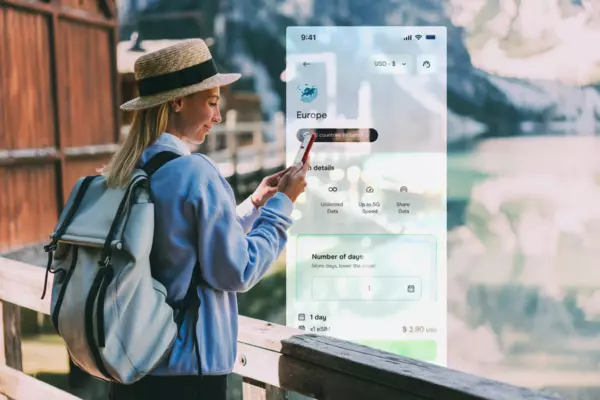
Holafly eSIM provides unlimited mobile data with no hidden fees, giving you peace of mind wherever you travel. Stay connected even after your plan ends with Always On. Use code LONELYPLANET for an exclusive discount.
Lonely Planet may earn a commission from affiliate links on our site. All recommendations and reviews reflect our own independent opinions.
Book your Italy trip with Lonely Planet Journeys
See Italy how it's meant to be seen
Planned by local experts and tailored to you, Lonely Planet Journeys handles the logistics so you can just enjoy the trip. Tell us what you want and we'll build your Italy itinerary from scratch, or browse our bookable trips to get inspired.


Top places to visit in Vatican City, Borgo & Prati
Discover the best attractions in Vatican City, Borgo & Prati from must-see sights to unexpected hidden gems.
- Attraction in Vatican City, Borgo & PratiThe Sistine Chapel
- Attraction in Vatican City, Borgo & PratiSt Peter’s Basilica
- Attraction in Vatican City, Borgo & PratiThe Vatican Museums
- Attraction in Vatican City, Borgo & PratiCastel Sant'Angelo
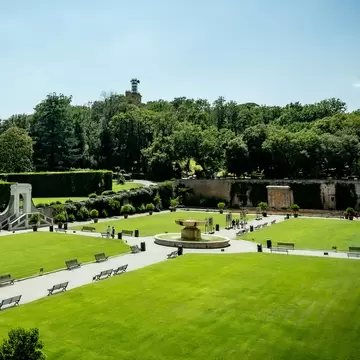
- Attraction in Vatican City, Borgo & PratiVatican Gardens
-
 Attraction in Vatican City, Borgo & PratiSt Peter’s Basilica Dome
 - Attraction in Vatican City, Borgo & PratiBonci Pizzarium
- Attraction in Vatican City, Borgo & PratiSt Peter's Square
Get a book. Get inspired. Get exploring.


in partnership with getyourguide
Book popular activities in Vatican City, Borgo & Prati
Lonely Planet may earn a commission from affiliate links on our site. All recommendations and reviews reflect our own independent opinions.