Seattle
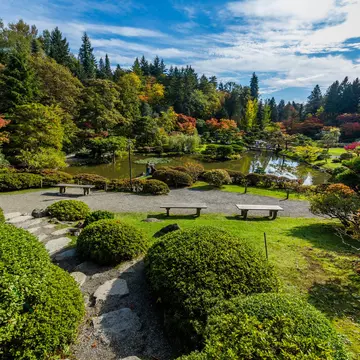
Blink, and it's changed: Seattle can be that ephemeral. Welcome to a city that heralds innovation and nature, always marching toward the future.
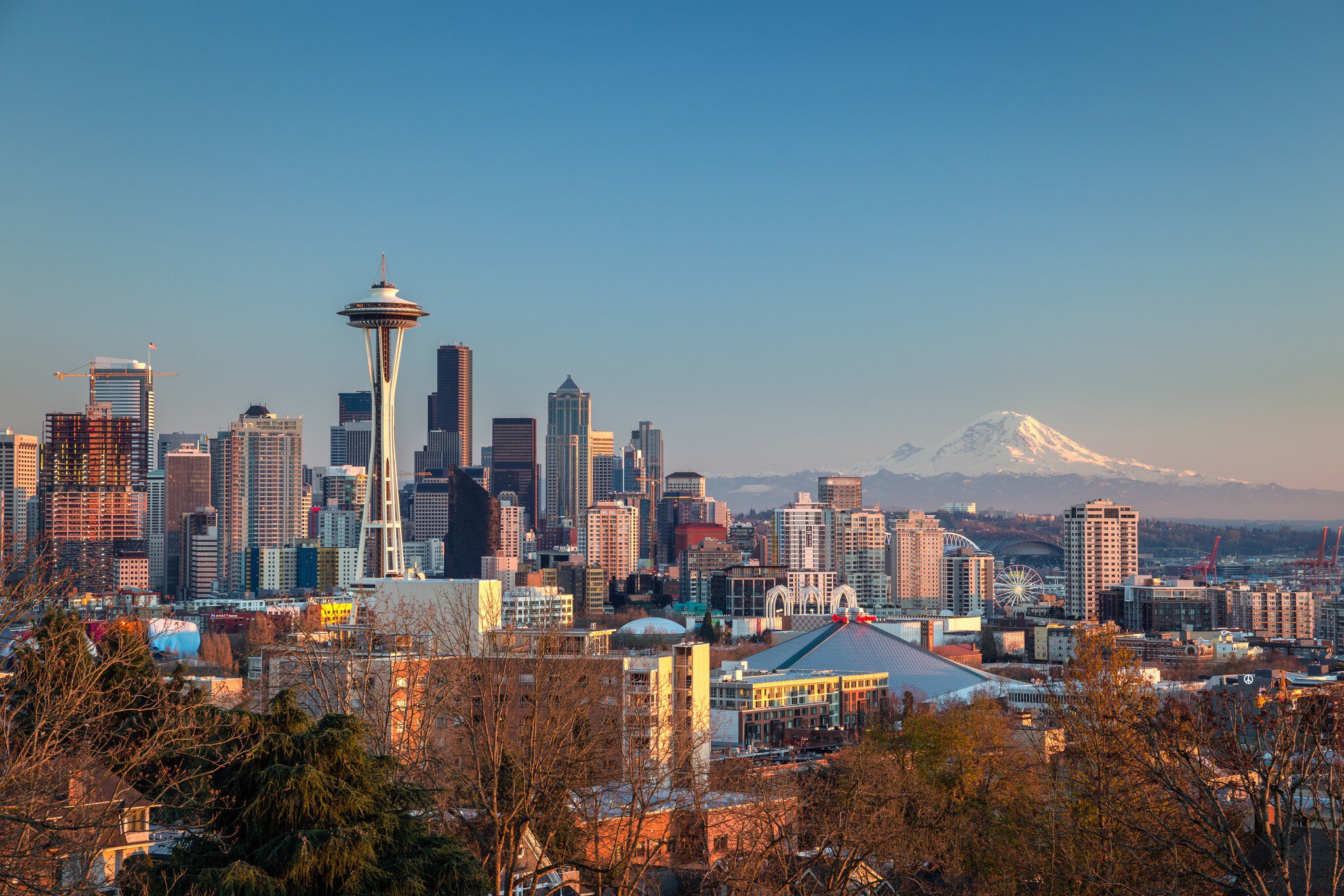
©Thomas Klinder/EyeEm/Getty Images
Latest Stories
- Caitlin Flynn | Jun 2, 202612 of Seattle's Best Beaches
- Doug Murray | Apr 30, 2026The Best Time to Visit Seattle to Avoid the Rain (Maybe)
- Kelsy Chauvin | Feb 2, 20267 of Seattle’s Best Live-Music Venues
- Samantha O'Brochta | Dec 19, 2025The Best Free Things to Do in Seattle
Book
Trip 

Trusted Partner
Dreaming of Seattle? Protect your trip
Travel with confidence. Protect your trip and your wallet.
We don’t represent World Nomads, we receive a fee from quotes using this link. This is not a recommendation to buy travel insurance.
Book your United States (USA) trip with Lonely Planet Journeys
See United States (USA) how it's meant to be seen
Planned by local experts and tailored to you, Lonely Planet Journeys handles the logistics so you can just enjoy the trip. Tell us what you want and we'll build your United States (USA) itinerary from scratch, or browse our bookable trips to get inspired.

Top places to visit in Seattle
Discover the best attractions in Seattle from must-see sights to unexpected hidden gems.
- Attraction in SeattleDiscovery Park
- Attraction in SeattleMuseum of Pop Culture
- Attraction in SeattlePike Place Market
- Attraction in SeattleMuseum of Flight
- Attraction in SeattleOlympic Sculpture Park
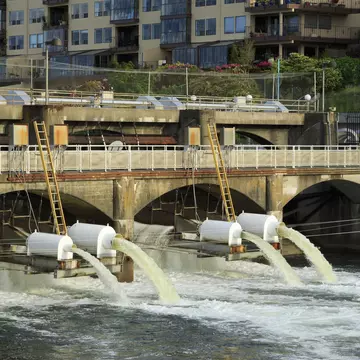
- Attraction in SeattleBallard Locks
- Attraction in SeattleKlondike Gold Rush National Historical Park
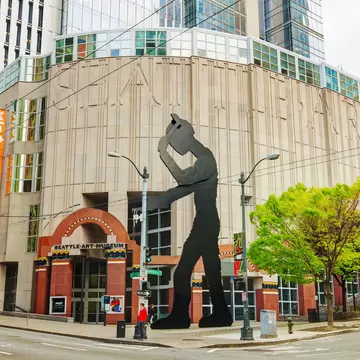
- Attraction in SeattleSeattle Art Museum



Travel Guides
Seattle travel tips from Lonely Planet experts
Find practical guidance from our team of contributors around the world who bring their decades of first-hand travel experience to your next trip.
Best Things to Do
From shooting to the top of the Space Needle for amazing city views to getting your fill of quality coffee, here are Seattle's top things to do.
Read full article
Best Time to Visit
Forget the rain – there's no bad time to visit Seattle's top-tier attractions and incredible outdoor spaces.
Read full article
Things to Know
Despite its often overcast skies, Seattle is a beautiful corner of Washington State. Here are 6 things to know before you go this Pacific Northwest gem.
Read full article
Transportation
Beat rain or traffic in the Emerald City of Seattle is a snap with its extensive and efficient web of public transportation.
Read full article
Free Things to Do
Seattle can be an expensive city to visit, but we've rounded up the top attractions that won't cost you a dime: 22 free things to do in Emerald City.
Read full article
Best Neighborhoods
See the sights, experiment with the food scene, check out local bands, find quirky art or browse at the shops in eight of Seattle's top neighborhoods.
Read full article
Day Trips
Head out into Washington State, or even all the way to Canada, with these top day trips from Seattle.
Read full article
Money and Costs
Seattle is by no means a cheap destination but with our insider tips you can vacation in the Emerald City on a tight budget.
Read full article
Traveling with Kids
How do you organize a family-friendly trip that will satisfy activity-hungry children but also be interesting for adults? The short answer: visit Seattle.
Read full article
Get a book. Get inspired. Get exploring.


in partnership with getyourguide
Book popular activities in Seattle
Lonely Planet may earn a commission from affiliate links on our site. All recommendations and reviews reflect our own independent opinions.
Seattle and beyond
- destinationThe CD, Madrona & Madison Park