
Advertisement
Death Valley National Park
California

Why visit Death Valley National Park
The very name evokes all that is harsh, hot and hellish – a punishing, barren and lifeless place of Old Testament severity. Yet closer inspection reveals that in Death Valley nature is putting on a truly spectacular show: singing sand dunes, water-sculpted canyons, boulders moving across the desert floor, extinct volcanic craters, palm-shaded oases, stark mountains rising to 11,000ft and plenty of endemic wildlife. This is a land of superlatives, holding the US records for hottest temperature (134°F/57°C), lowest point (Badwater, 282ft below sea level) and largest national park outside Alaska (more than 5000 sq miles).
Lonely planet’s trusted travel insurance provider
Dreaming of Death Valley National Park? Protect your trip
Travel with confidence. Protect your trip and your wallet.
We don’t represent World Nomads, we receive a fee from quotes using this link. This is not a recommendation to buy travel insurance.
Take your United States (USA) trip with Lonely Planet Journeys
Pick one of our ready-to-book trips or fully customize your own with help from our local experts.
bookable trip
Road Trippin' Across the American West
11 days / 10 nights
highlights
- 1 Riding a historic cable car to see the seals of San Francisco's Fisherman’s Wharf
- 2 Whitewater rafting along the thrilling South Fork American River
- 3 Hiking past Liberty Cap and Half Dome on a guided tour of Yosemite's highlights
from $5,780
per person


Explore more trips
Explore more trips
-
 The USA
8 days / 7 nights
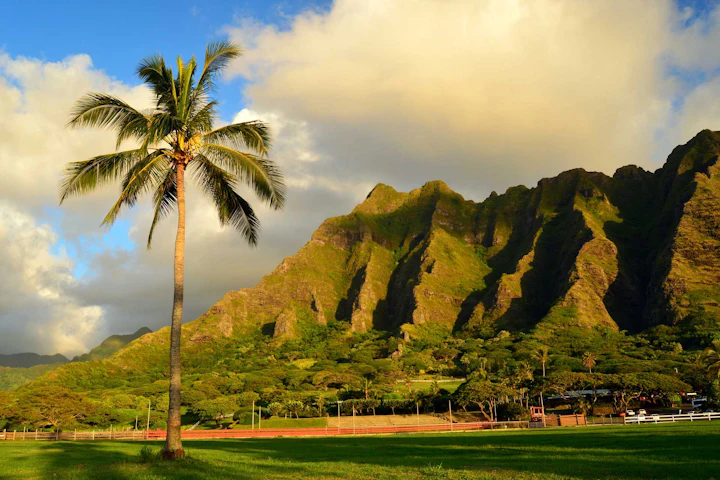
Hawaii's Big Island and Oahu's Big City in 8 Days
See Trip DetailsFROM $5,493
per person
-
 The USA
 -
 The USA
10 days / 9 nights
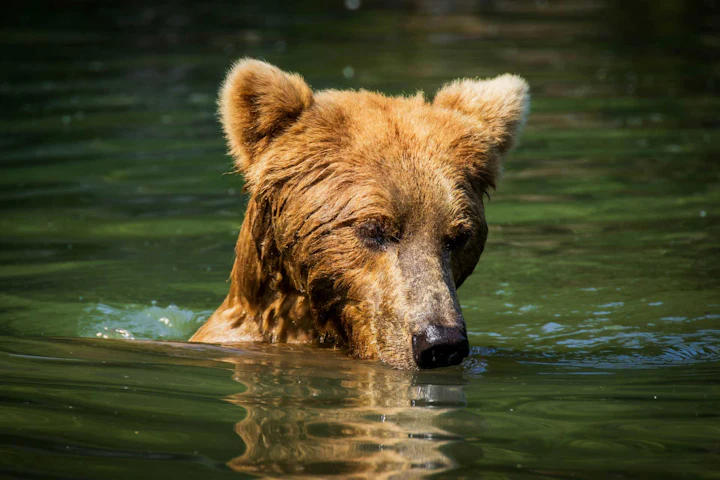
Alaska: Glimmering Glaciers, Brown Bears, and Fantastic Fjords
See Trip DetailsFROM $7,900
per person
-
 The USA
 -
 The USA
11 days / 10 nights
Easing up East: New York, Cape Cod, and Boston in 11 Days
See Trip DetailsFROM $5,395
per person
-
 The USA
10 days / 9 nights
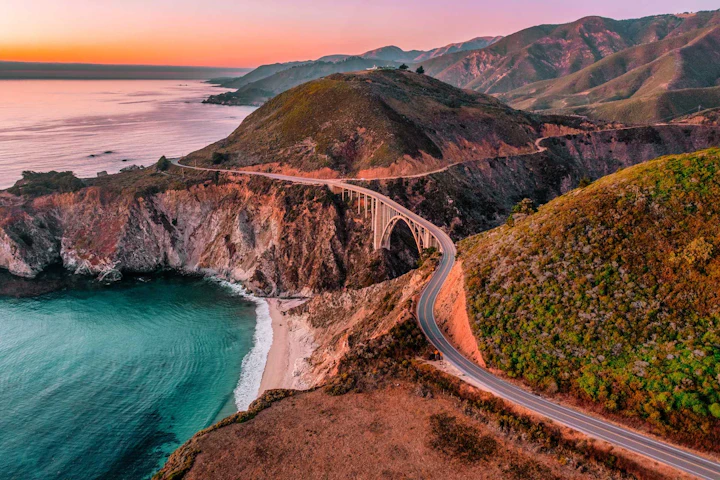
From Bayside to Coastside: California's San Francisco Peninsula in 10 Days
See Trip DetailsFROM $4,940
per person
-
 The USA
10 days / 9 nights
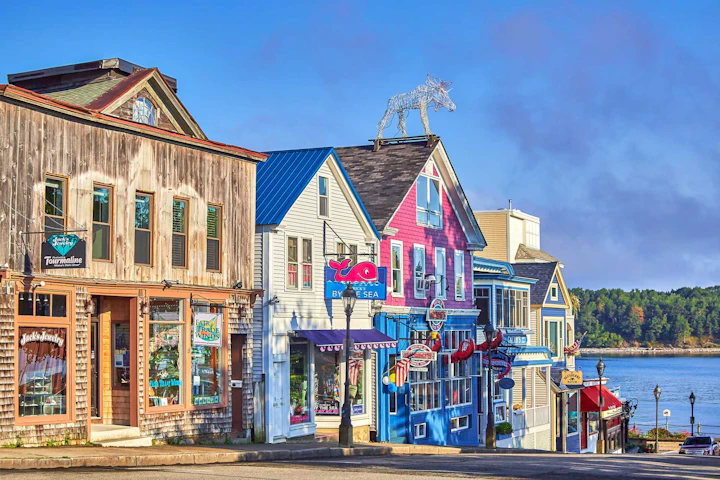
Maine's Marvelous Coastline: 10 Days in Acadia, Bath, Bethel, and Camden
See Trip DetailsFROM $3,795
per person
The USA
8 days / 7 nights
Hawaii's Big Island and Oahu's Big City in 8 Days
FROM $5,493
per person
The USA
The USA
10 days / 9 nights
Alaska: Glimmering Glaciers, Brown Bears, and Fantastic Fjords
FROM $7,900
per person
The USA
The USA
11 days / 10 nights
Easing up East: New York, Cape Cod, and Boston in 11 Days
FROM $5,395
per person
The USA
10 days / 9 nights
From Bayside to Coastside: California's San Francisco Peninsula in 10 Days
FROM $4,940
per person
The USA
10 days / 9 nights
Maine's Marvelous Coastline: 10 Days in Acadia, Bath, Bethel, and Camden
FROM $3,795
per person
Top places to visit in Death Valley National Park
Discover the best attractions in Death Valley National Park from must-see sights to unexpected hidden gems.
-
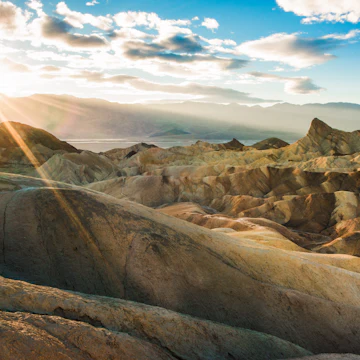 Attraction in Death Valley National ParkZabriskie Point
 - Attraction in Death Valley National ParkDante's View
-
 Attraction in Death Valley National ParkMesquite Flat Sand Dunes
 -
 Attraction in Death Valley National ParkAmargosa Opera House
 -
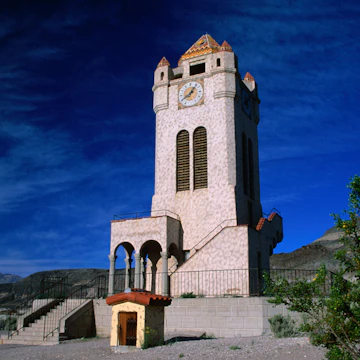 Attraction in Death Valley National ParkScotty's Castle
 -
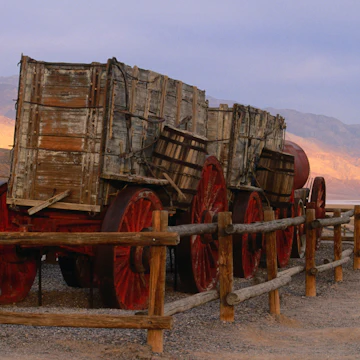 Attraction in Death Valley National ParkBorax Museum
 -
 Attraction in Death Valley National ParkBadwater Basin
 - Attraction in Death Valley National ParkEureka Dunes

Advertisement
Advertisement
in partnership with getyourguide
Book popular activities in Death Valley National Park
Advertisement