Introducing Kharkiv
If Dnipropetrovsk, Donetsk and Zaporizhzhya are the strong-arm muscle of Ukrainian industry, then the more northerly city of Kharkiv is its nerve centre and brain. It’s a leafy university town that makes the unusual boast of being the birthplace of the Soviet nuclear industry.
Advertisement
Wars and Soviet development reduced its historical centre, boasting some pretty fin de siècle buildings, to a narrow triangle between vul Sumska and Pushkinska. The rest is Soviet monumentalism in all its glory – a delight for architecture buffs, but hardly exciting for the uninitiated.
In the 1920s, Kharkiv was the seat of the Ukrainian Soviet government, which orchestrated a short-lived renaissance of Ukrainian culture and language. But Stalin accused its members of nationalism and launched purges that eventually led to Holodomor (Ukrainian famine).
Nowadays, it is the city of Russian speaking intelligentsia – scientists and engineers who turned Kharkiv into the brain centre of the Soviet defence industry in the 1960s. Their children, however, were more into rock and alternative music, setting up one of the liveliest scenes in the ex-USSR.
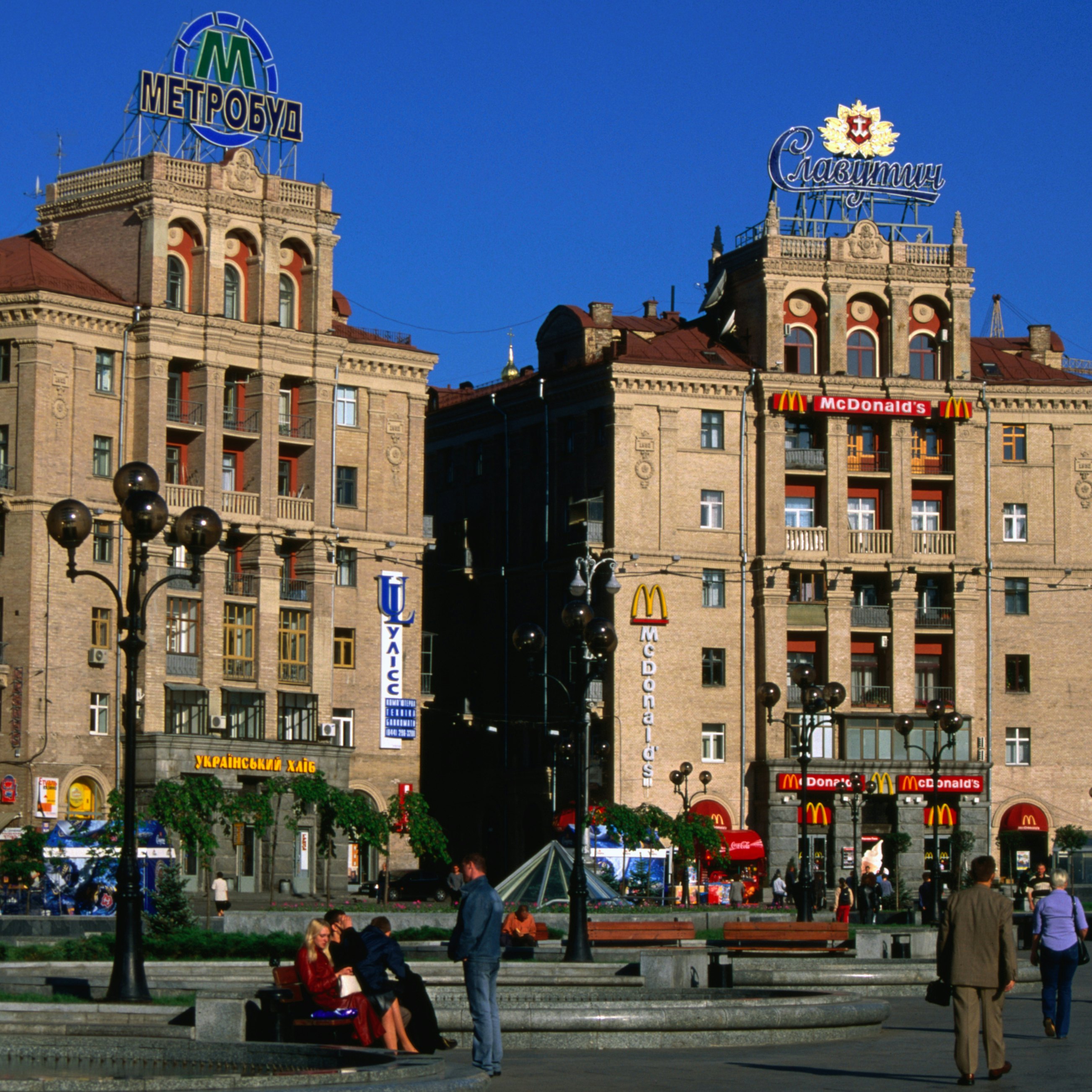
It combines vast, agoraphobia-inducing plazas – particularly its unforgettably enormous pl Svobody – with charming early-20th-century buildings on more compact streets. With more than 100,000 enrolled at the university, including many foreign students, there’s a distinct multicultural feel to Kharkiv’s lively streets. The city empties during summer, so visit at other times to get a proper feel for the place.
Last updated: Jun 11, 2012
Tips & articles
-
Top 17 experiences in Ukraine
2 June 2012
Voted by Lonely Planet’s Best in Travel 2011 as one of 10 budget-friendly destinations in 2011, Ukraine is big, diverse and...
In our shop
Bags feeling light?
Coffee table looking bare?
Get your guidebooks, travel goods, even individual chapters, right here.
Advertisement