
Advertisement
Ephesus
Türkiye

Why visit Ephesus
The Greco-Roman world truly comes alive at Ephesus. After more than a century and a half of excavation, the city's recovered and renovated structures have made Ephesus Europe's most complete classical metropolis – and that's with 80% of the city yet to be unearthed!
Meet your new travel partner
Stay connected in Ephesus
Holafly eSIM provides unlimited mobile data with no hidden fees, giving you peace of mind wherever you travel. Stay connected even after your plan ends with Always On. Use code LONELYPLANET for an exclusive discount.
Take your Turkey trip with Lonely Planet Journeys
Pick one of our ready-to-book trips or fully customize your own with help from our local experts.
bookable trip
Treasures of Türkiye: Ancient Ruins and Anatolian Adventures in Istanbul, Izmir, and Cappadocia
highlights
- 1 Tasting Turkish coffee, börek pastries, and quintessential street delights in Istanbul
- 2 Cruising to the Aegean Sea’s Cunda Island for a dinner of Greek and Turkish flavors
- 3 Strolling through the epic ruins of Ephesus: one of the world’s most legendary Greco-Roman sites
from $2,995
per person
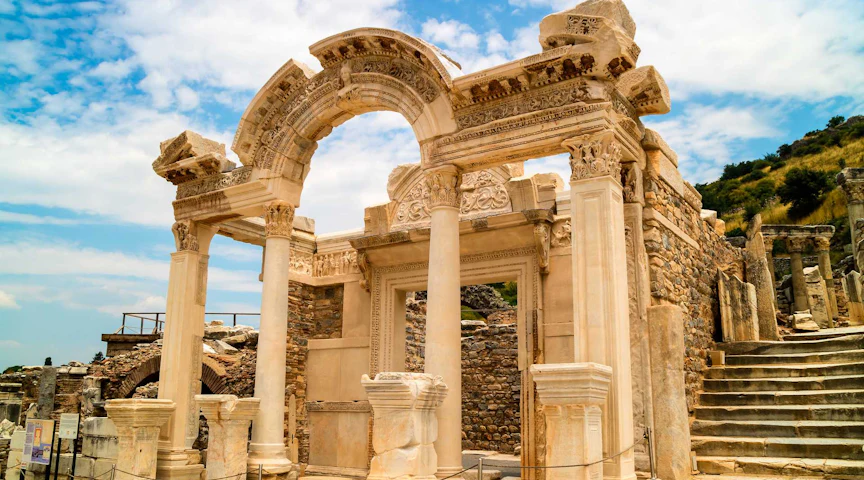

Top places to visit in Ephesus
Discover the best attractions in Ephesus from must-see sights to unexpected hidden gems.
-
-
 Attraction in EphesusTerraced Houses
 -
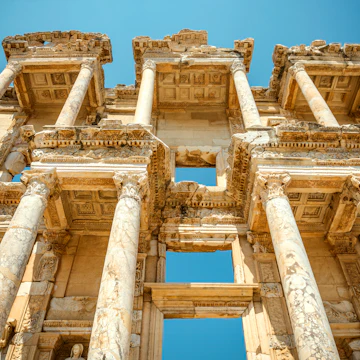
 Attraction in EphesusLibrary of Celsus
 - Attraction in EphesusGreat Theatre
- Attraction in EphesusMary's House
-
- Attraction in EphesusGrotto of the Seven Sleepers
- Attraction in EphesusCuretes Way

Advertisement
Advertisement
in partnership with getyourguide
Book popular activities in Ephesus
Advertisement