
French Polynesia
Sculpted by sky-piercing, moss-green peaks and lined with vivid turquoise lagoons, sultry French Polynesia is a place to take it slow and experience warm, laid-back island culture.
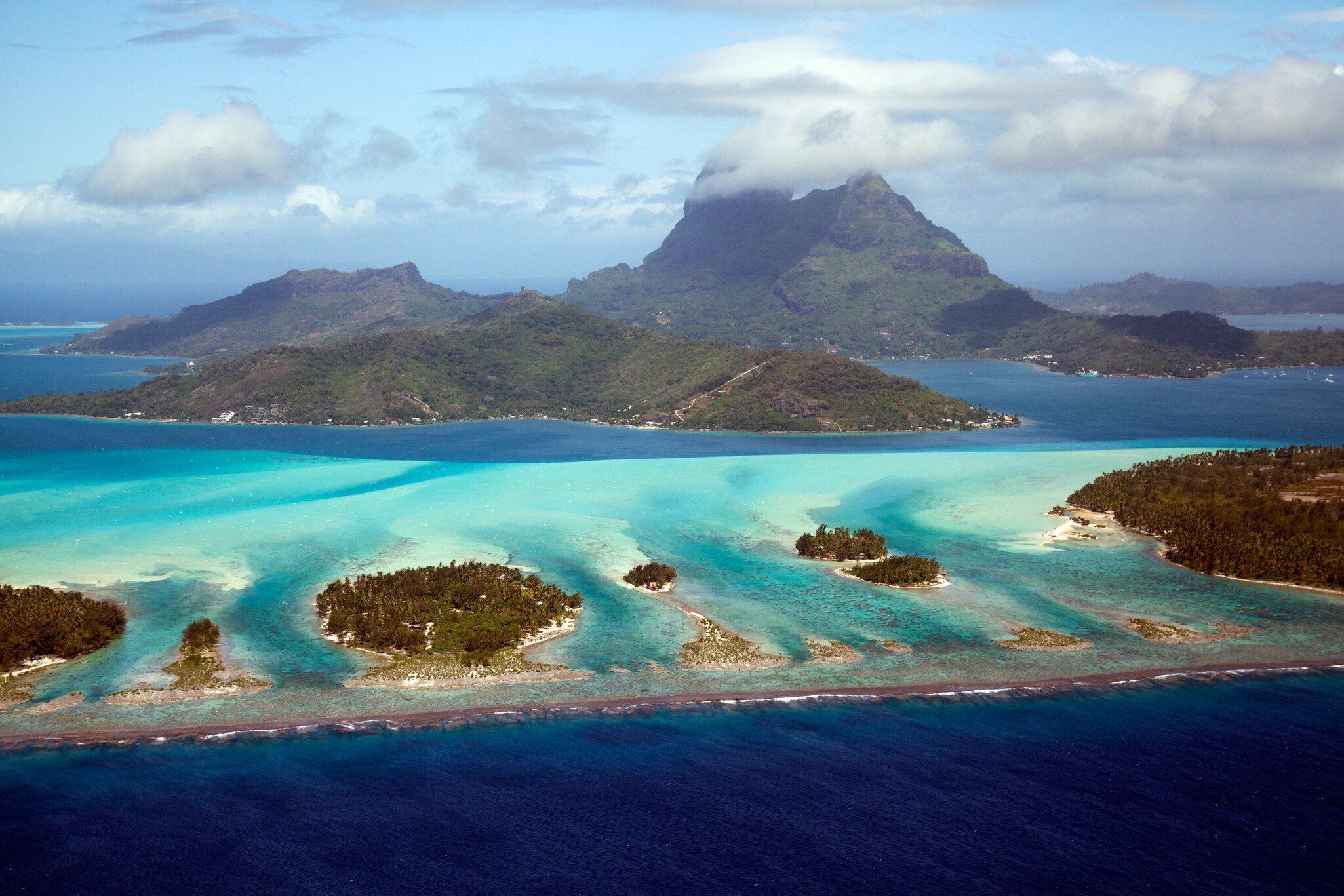
Frederick Millett/500px
Latest Stories
- Matt Dennis | Aug 1, 2026A Guide to Accessible Travel in Tahiti and the Marquesas Islands
- Craig Tansley | Sep 2, 202515 things all visitors to French Polynesia should know before they go
- Tiare Tuuhia | Jan 25, 2025How to Visit Tahiti and French Polynesia on a Budget
- Hannah Logan | Dec 19, 2024The 5 best places to visit in French Polynesia
Book

Top places to visit in French Polynesia
Discover the best attractions in French Polynesia from must-see sights to unexpected hidden gems.
-
 Attraction in French PolynesiaCalvaire Cemetery
 - Attraction in French PolynesiaLagon Bleu
- Attraction in French PolynesiaLes Sables Roses
- Attraction in French PolynesiaMotu Piscine
- Attraction in French PolynesiaPlage de Taharuu
- Attraction in French PolynesiaPlage Lafayette
- Attraction in French PolynesiaBelvédère Lookout
- Attraction in French PolynesiaMarae Ahu-o-Mahine
Travel Guides
French Polynesia travel tips from Lonely Planet experts
Find practical guidance from our team of contributors around the world who bring their decades of first-hand travel experience to your next trip.
Things to Know
French Polynesia is a lot more than Tahiti and Bora Bora. Plan your visit with this practical guide to health, safety and etiquette.
Read full article
Money and Costs
There's no need to remortgage the house to visit Tahiti & French Polynesia. Here's how to explore this slice of paradise in the Pacific on a budget.
Read full article
Best Places to Visit
If you're visiting French Polynesia, these five spots – offering scuba, swimming, wildlife and more – are imperative for an unforgettable experience.
Read full article
Get a book. Get inspired. Get exploring.
in partnership with getyourguide
Book popular activities in French Polynesia
Lonely Planet may earn a commission from affiliate links on our site. All recommendations and reviews reflect our own independent opinions.
French Polynesia and beyond
-
 destinationTahiti