
Advertisement
Seoul
Fashion- and technology-forward but also deeply traditional, this dynamic city mashes up palaces, temples, cutting-edge design and mountain trails, all to a nonstop K-Pop beat.

Getty Images
Latest Stories
- Ann Babe|Mar 24, 2026The best times to visit Seoul, South Korea
- Hahna Yoon|Mar 24, 2026How to get around Seoul
- Leslie Patrick Moore|Feb 14, 202620 fabulous things to do in Seoul
- Anna Haines|Jun 26, 2025How to plan a wellness trip to Seoul
Book
Trip 

Trusted Partner
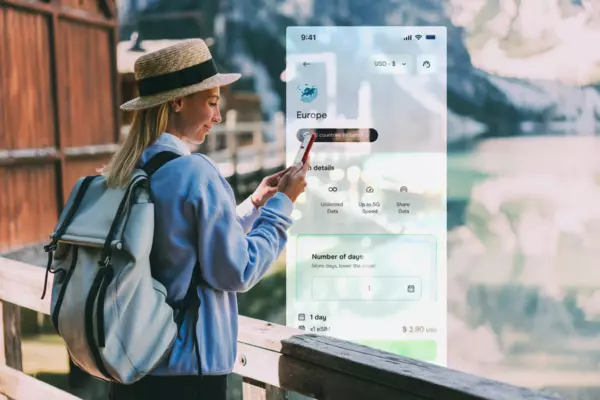
Stay connected in Seoul
Holafly eSIM provides unlimited mobile data with no hidden fees, giving you peace of mind wherever you travel. Stay connected even after your plan ends with Always On. Use code LONELYPLANET for an exclusive discount.
Take your South Korea trip with Lonely Planet Journeys
Pick one of our ready-to-book trips or fully customize your own with help from our local experts.
bookable trip
7 Days in South Korea: Seoul, Busan and Gyeongju
7 days / 6 nights
highlights
- 1 Tasting sizzling street food, unique snacks, and mouthwatering dishes at Seoul and Busan's markets
- 2 Touring Korea’s demilitarized zone (DMZ) at the border of North and South Korea
- 3 Learning how to cook South Korean staples, from bulgogi to bibimbap, during a chef-led workshop
from $2,830
per person


Explore more trips
Explore more trips
-
 South Korea
13 days / 12 nights
13 Days in South Korea: Seoul, Jeju-do and Busan
View ItineraryFROM $4,690
per person
South Korea
13 days / 12 nights
13 Days in South Korea: Seoul, Jeju-do and Busan
FROM $4,690
per person
Top places to visit in Seoul
Discover the best attractions in Seoul from must-see sights to unexpected hidden gems.
-
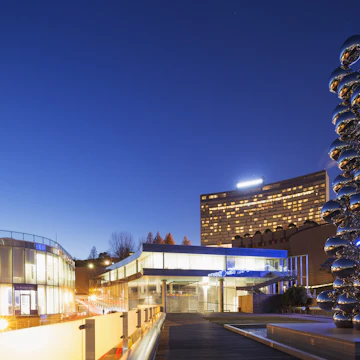 Attraction in Itaewon & Yongsan-guLeeum Samsung Museum of Art
 -
-
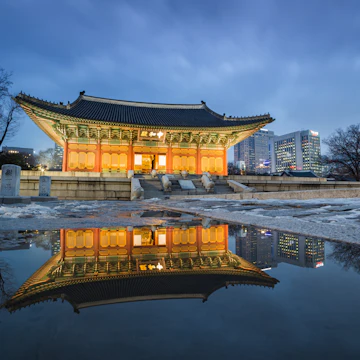 Attraction in Myeong-dong & Jung-guDeoksugung
 -
 Attraction in Myeong-dong & Jung-guN Seoul Tower & Namsan
 -
 Attraction in SeoulGyeongui Line Forest Park
 -
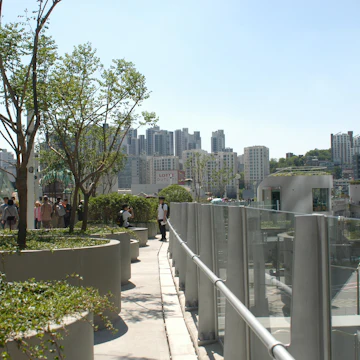 Attraction in Myeong-dong & Jung-guSeoullo 7017
 - Attraction in Itaewon & Yongsan-guStairway Flea Market
- Attraction in SeoulOil Tank Culture Park
Advertisement
Travel Guides
Seoul travel tips from Lonely Planet experts
Find practical guidance from our team of contributors around the world who bring their decades of first-hand travel experience to your next trip.
Best Things to Do
The top spots in Seoul transport visitors from ancient palaces all the way up to the latest K-Pop sensations, with serene temples for day and neon nights.
Read full article
Best Time to Visit
Perfectly time your trip to South Korea's dynamic capital city of Seoul, with this seasonal guide.
Read full article
Things to Know
These tips will show you the most important things to know when you're visting Seoul, from transportation to etiquette.
Read full article
Transportation
From buses and bicycles to taxis and trains and your own two feet, read on for a guide to all the ways to get around Seoul.
Read full article
Best Neighborhoods
Connect with the dynamic South Korean capital away from the bustle of business in the vibrant neighborhoods where its residents live, eat and unwind.
Read full article
Day Trips
So over Seoul? Delve deeper into South Korea's history and culture with these day trips from the capital.
Read full article
Money and Costs
Stretch your budget in Seoul with these top money-saving tips and a guide to daily costs.
Read full article
Advertisement
Get a book. Get inspired. Get exploring.

in partnership with getyourguide
Book popular activities in Seoul
Seoul and beyond
-
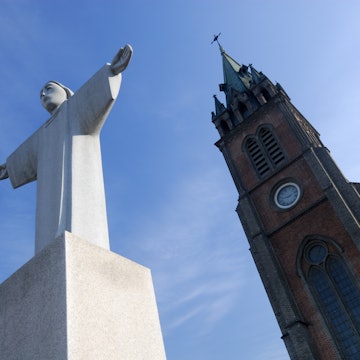 destinationMyeong-dong & Jung-gu
 -
 destinationGangnam & Southern Seoul
 -
 destinationItaewon & Yongsan-gu
Advertisement