South Korea
From Seoul's glittering nightlife to Seoraksan National Park's vertiginous hikes, South Korea offers the traveler a dazzling range of experiences, beautiful landscapes and 5000 years of culture and history.
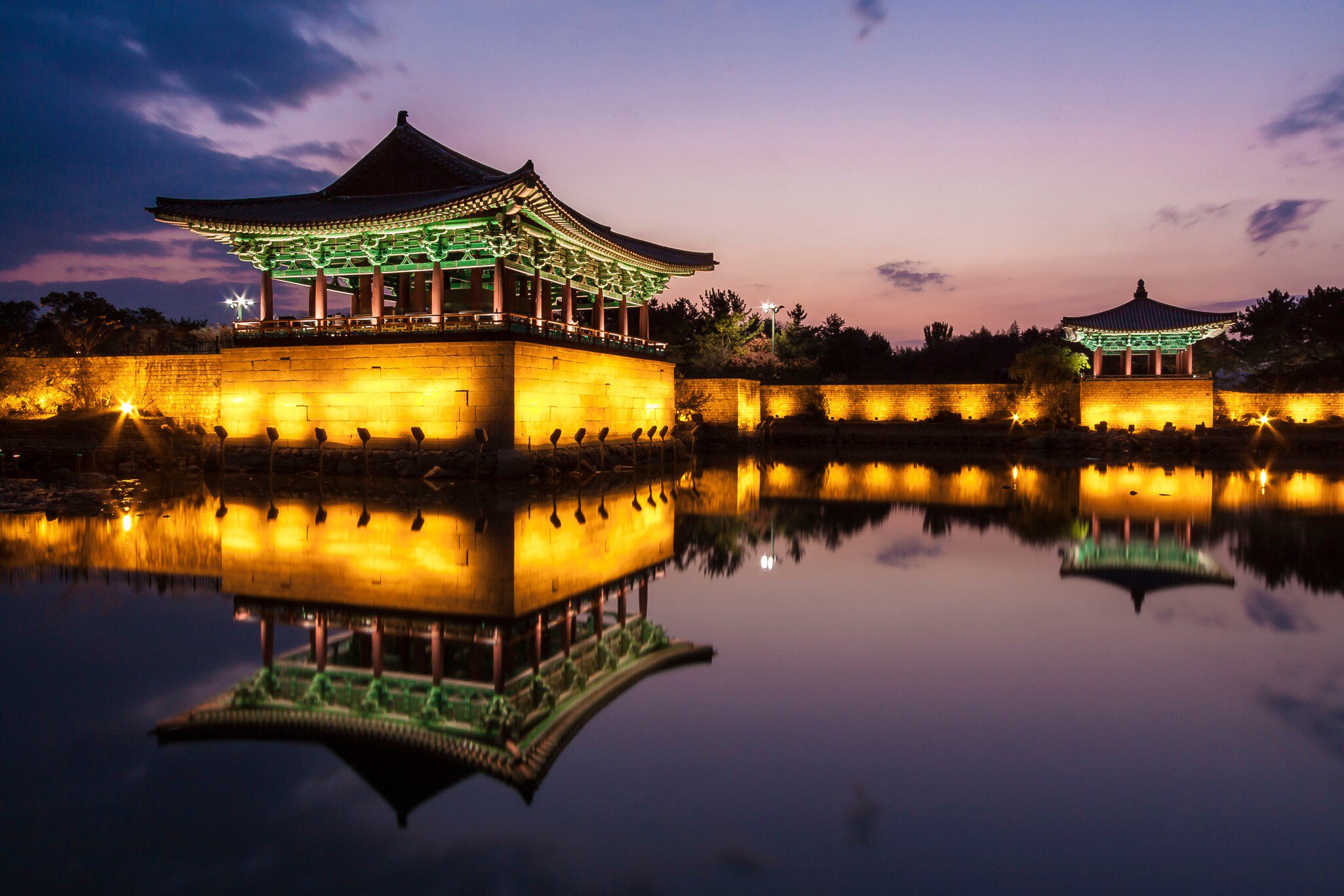
Sinue Serra Images / Shutterstock
Latest Stories
- Anna Haines | Aug 13, 2026In Search of Belonging: Exploring My Identity in Korea
- Charles Usher | Jun 16, 2026What to Know Before Traveling to South Korea
- Ann Babe | Jun 2, 2026The Best Places to Visit in South Korea
- Ann Babe | Jan 28, 202612 Tips for Visiting South Korea on a Budget
Trip
App

Book your South Korea trip with Lonely Planet Journeys
See South Korea how it's meant to be seen
Planned by local experts and tailored to you, Lonely Planet Journeys handles the logistics so you can just enjoy the trip. Tell us what you want and we'll build your South Korea itinerary from scratch, or browse our bookable trips to get inspired.


Top places to visit in South Korea
Discover the best attractions in South Korea from must-see sights to unexpected hidden gems.
- Attraction in Gangnam & Southern SeoulBongeun-sa
- Attraction in South KoreaBukhansan National Park
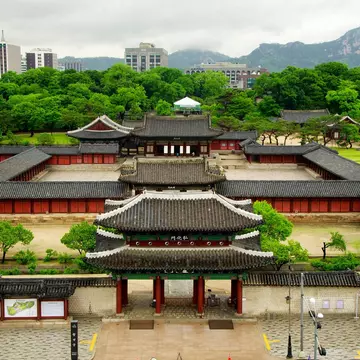
- Attraction in SeoulChanggyeonggung
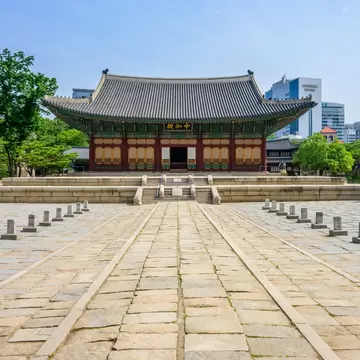
- Attraction in Myeong-dong & Jung-guDeoksugung
-
- Attraction in Itaewon & Yongsan-guNational Museum of Korea
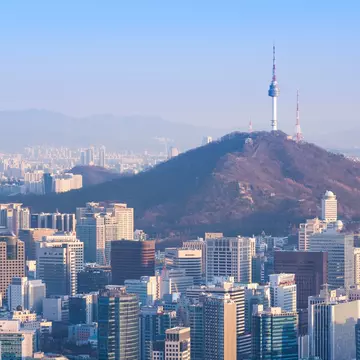
- Attraction in Myeong-dong & Jung-guN Seoul Tower & Namsan
- Attraction in SeoulSeodaemun Prison History Hall




Travel Guides
South Korea travel tips from Lonely Planet experts
Find practical guidance from our team of contributors around the world who bring their decades of first-hand travel experience to your next trip.
Best Things to Do
South Korea endlessly tempts travelers with eclectic nightlife, regional cuisine, spas and saunas, hiking and much more.
Read full article
Best Time to Visit
South Korea's seasons bring exciting events and festivals, as well as action-packed activities. Here's how to decide when you should go there.
Read full article
Things to Know
With cultural cachet to spare and superb infrastructure to ease your path, South Korea is a truly easy, rewarding destination to explore.
Read full article
Transportation
With some of the best public transport in the world, South Korea is a gift to travelers. Here's what you need to know about getting around when you arrive.
Read full article
Best Road Trips
South Korea might not leap out as the obvious place for a road trip, but the back roads reveal a different side to the peninsula. Here are our top trips.
Read full article
Money and Costs
If you’re looking to travel to South Korea on a budget, follow this money-saving guide, from advice on SIM cards to tips on transit.
Read full article
Best Places to Visit
Though it's possible to go from mountaintop to megacity – and back again – in a single day, lingering in these top spots in South Korea is an ample reward.
Read full article
Get Connected
South Korea has nationwide 4G coverage and widespread wi-fi. Get connected with these mobile tips.
Read full article
Get a book. Get inspired. Get exploring.

in partnership with getyourguide
Book popular activities in South Korea
Lonely Planet may earn a commission from affiliate links on our site. All recommendations and reviews reflect our own independent opinions.
South Korea and beyond
- destinationSeoul
- destinationMyeong-dong & Jung-gu
-
 destinationGangnam & Southern Seoul
 - destinationItaewon & Yongsan-gu
- destinationJeju-do
- destinationGyeongsangbuk-do
- destinationGangwon-do
- destinationJeollanam-do