
Gyeongju
Known as ‘the museum without walls’, Gyeongju (경주) has more tombs, temples, rock carvings, pagodas, Buddhist statuary and palace ruins than any other place in South Korea. It's a lovely city, stuffed to the gills with history.
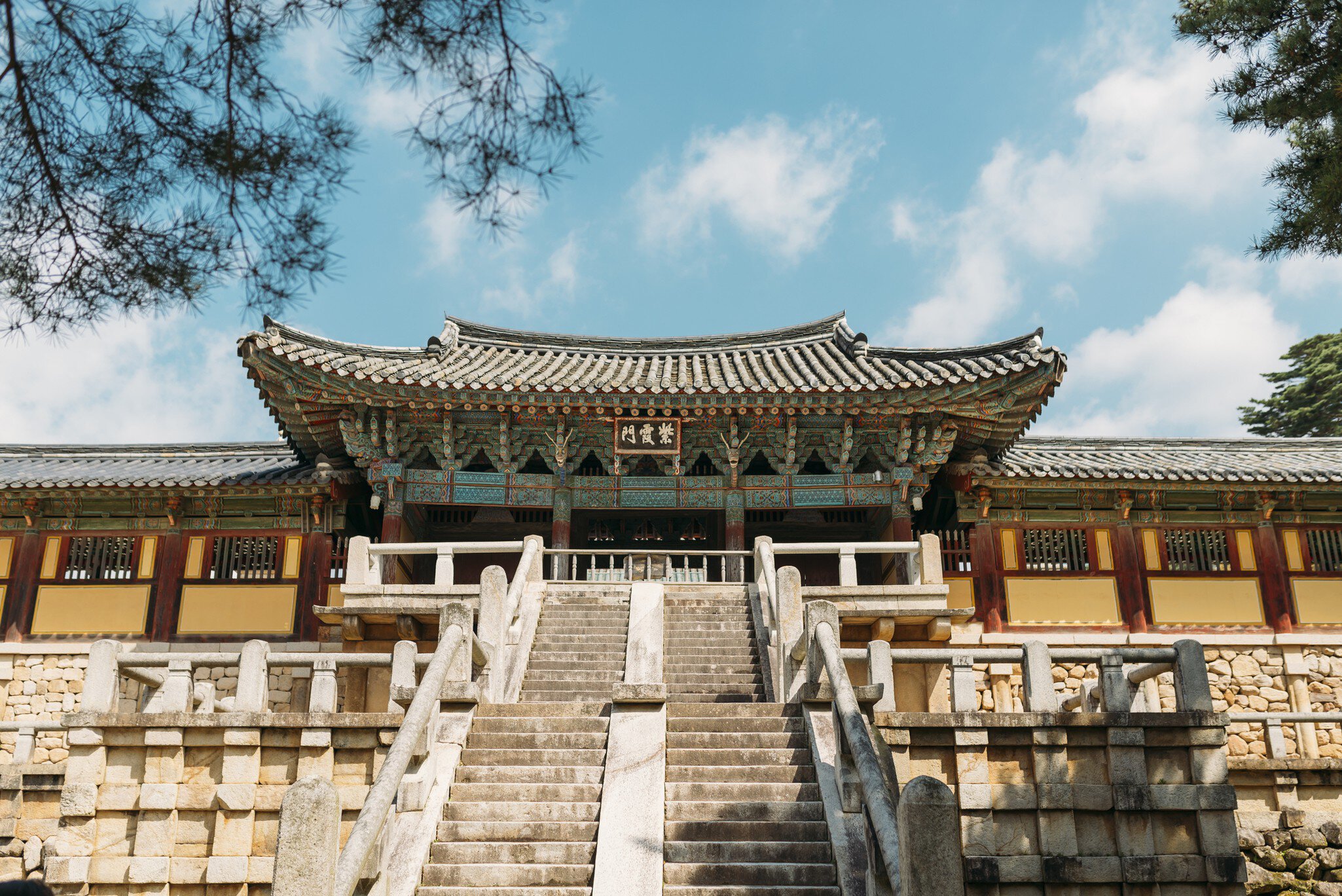
© Volanthevist / Getty Images
Latest Stories
- Marco Ferrarese | Aug 23, 202515 Top Things to Do in Gyeongju, South Korea
- Phillip Tang | Jan 22, 2022How to Explore Gyeongju by Foot, Bicycle, Car and Bus
- Stewart Ho | Jan 10, 2022How Gyeongju Has Become South Korea's City of Cool
- Robert Kelly | Dec 15, 2021Gyeongju City: A Window to the past and the Future
Book
Trip 


Trusted Partner
Stay connected in Gyeongju
Holafly eSIM provides unlimited mobile data with no hidden fees, giving you peace of mind wherever you travel. Stay connected even after your plan ends with Always On. Use code LONELYPLANET for an exclusive discount.
Lonely Planet may earn a commission from affiliate links on our site. All recommendations and reviews reflect our own independent opinions.
Book your South Korea trip with Lonely Planet Journeys
See South Korea how it's meant to be seen
Planned by local experts and tailored to you, Lonely Planet Journeys handles the logistics so you can just enjoy the trip. Tell us what you want and we'll build your South Korea itinerary from scratch, or browse our bookable trips to get inspired.

Top places to visit in Gyeongju
Discover the best attractions in Gyeongju from must-see sights to unexpected hidden gems.
-
-
 Attraction in GyeongjuGyeongju National Museum
 -
- Attraction in GyeongjuHwangnyong-sa Site
- Attraction in GyeongjuAnapji Pond
-
- Attraction in GyeongjuBunhwang-sa
- Attraction in GyeongjuCheomseongdae
Travel Guides
Gyeongju travel tips from Lonely Planet experts
Find practical guidance from our team of contributors around the world who bring their decades of first-hand travel experience to your next trip.
Best Things to Do
Whether it’s your first or umpteenth journey to this place of deep history, these are our suggestions to chase the most unmissable Gyeongju experiences.
Read full article
Transportation
Before you discover nature and rich Silla history, start with these tips for how to get around Gyeongju by walking, cycling, driving and on public transport.
Read full article
Get a book. Get inspired. Get exploring.

in partnership with getyourguide
Book popular activities in Gyeongju
Lonely Planet may earn a commission from affiliate links on our site. All recommendations and reviews reflect our own independent opinions.