
Kruger National Park
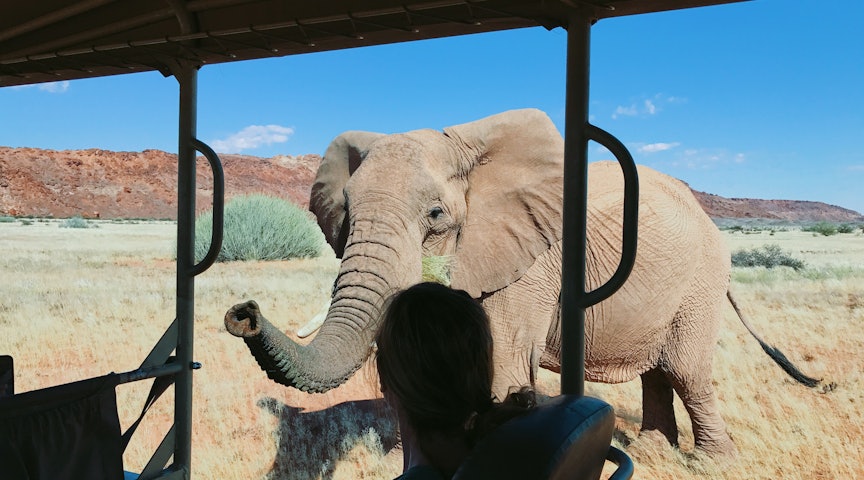
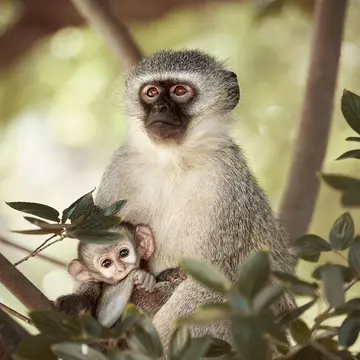
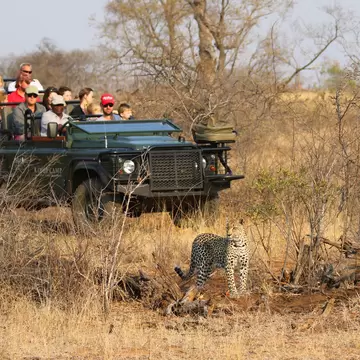
Kruger is one of the world's greatest wildlife-watching destinations. All of Africa's iconic safari species – elephant, lion, leopard, cheetah, rhino, buffalo, giraffe, hippo and zebra – share the bushveld with a supporting cast of 137 other mammals and over 500 varieties of bird.
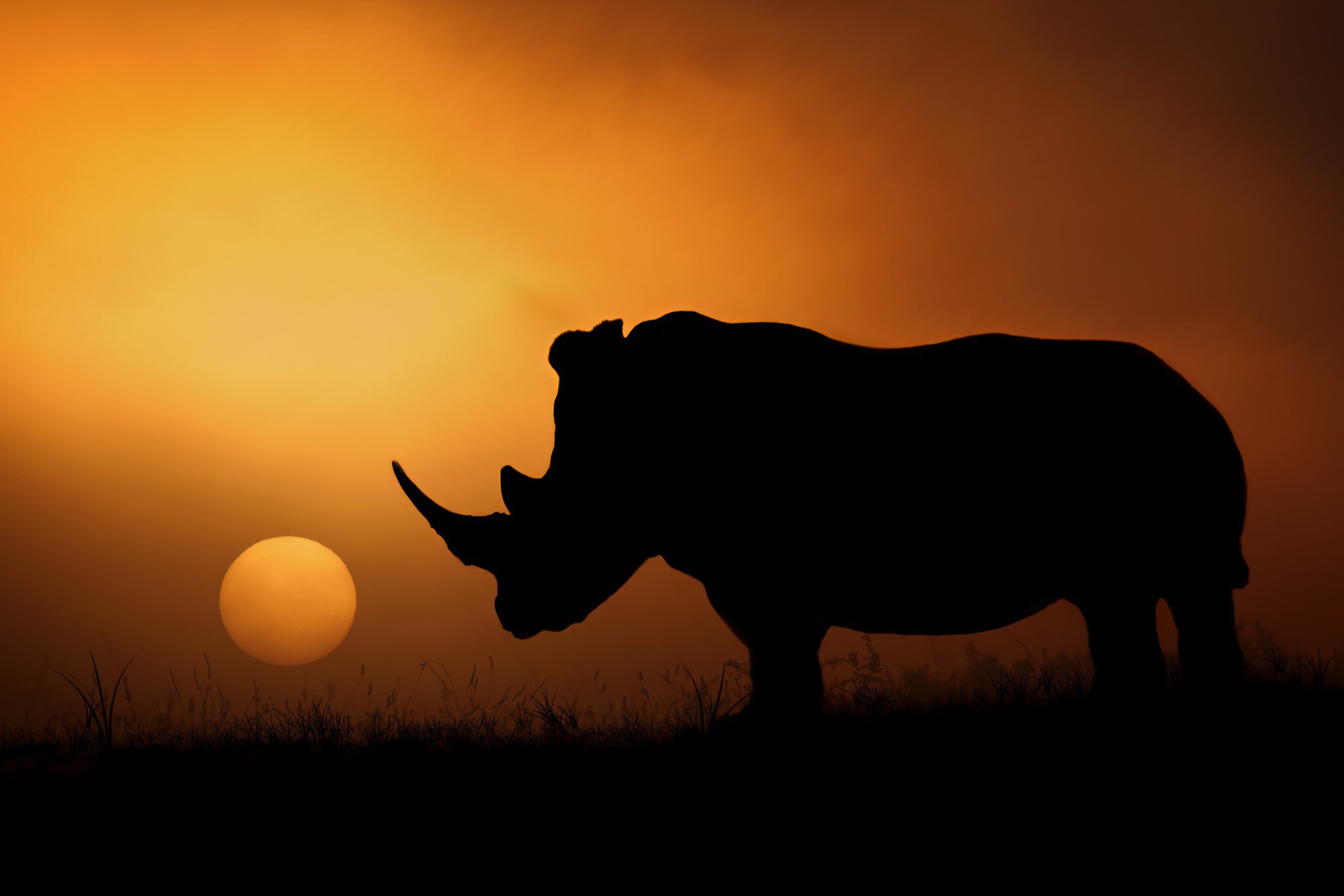
©Mario Moreno/500px
Book
Trip 
App

Book your South Africa trip with Lonely Planet Journeys
See South Africa how it's meant to be seen
Planned by local experts and tailored to you, Lonely Planet Journeys handles the logistics so you can just enjoy the trip. Tell us what you want and we'll build your South Africa itinerary from scratch, or browse our bookable trips to get inspired.

Top places to visit in Kruger National Park
Discover the best attractions in Kruger National Park from must-see sights to unexpected hidden gems.
- Attraction in South AfricaCrook's Corner
- Attraction in South AfricaKapama Private Game Reserve
- Attraction in South AfricaSabi Sand Game Reserve
- Attraction in South AfricaTimbavati Private Nature Reserve
-
 Attraction in South AfricaManyeleti Game Reserve
 - Attraction in South AfricaThornybush Private Game Reserve
- Attraction in South AfricaKlaserie Private Nature Reserve
- Attraction in South AfricaAfsaal Picnic Spot
Get a book. Get inspired. Get exploring.

in partnership with getyourguide
Book popular activities in Kruger National Park
Lonely Planet may earn a commission from affiliate links on our site. All recommendations and reviews reflect our own independent opinions.