
Advertisement
Sibiu
Sibiu is awash in aristocratic elegance. Noble Saxon history emanates from every art-nouveau facade and gold-embossed church. Renowned composers Strauss, Brahms and Liszt all played here during the 19th century, and Sibiu has stayed at the forefront of Romania’s cultural scene through its festivals of opera, theatre and film, as well as rock, jazz and more. The country's first hospital, school, library and pharmacy were all established here, and locals are justly proud of the spirit of enterprise that endures to this day.

Getty Images/Lonely Planet Images


Trusted Partner
Dreaming of Sibiu? Protect your trip
Travel with confidence. Protect your trip and your wallet.
We don’t represent World Nomads, we receive a fee from quotes using this link. This is not a recommendation to buy travel insurance.
Top places to visit in Sibiu
Discover the best attractions in Sibiu from must-see sights to unexpected hidden gems.
-
 Attraction in SibiuHistory Museum
 -
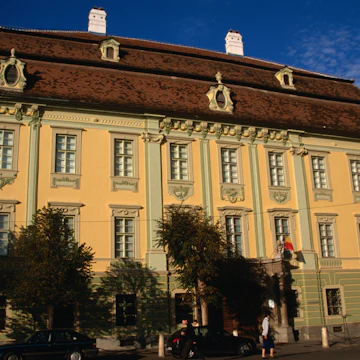 Attraction in SibiuBrukenthal Palace
 - Attraction in SibiuSt Mary's Evangelical Church
- Attraction in SibiuBridge of Lies
- Attraction in SibiuCity Walls
- Attraction in SibiuNatural History Museum
- Attraction in SibiuPharmaceutical Museum
- Attraction in SibiuCarpenters' Tower
Advertisement
Advertisement
Get a book. Get inspired. Get exploring.
in partnership with getyourguide
Book popular activities in Sibiu
Advertisement