Romania
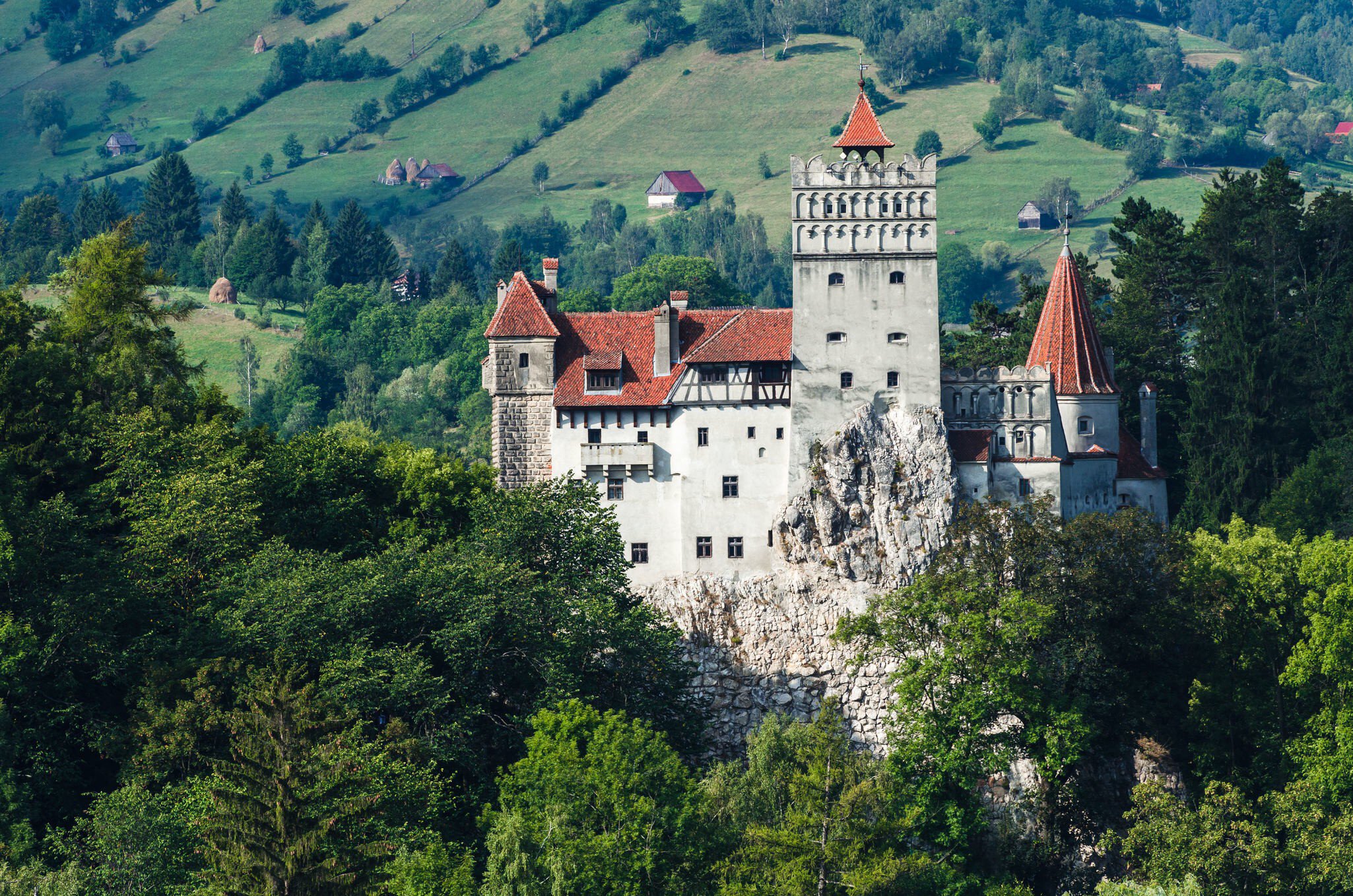
Rugged stone churches and dazzling monasteries dot a pristine landscape of rocky mountains and rolling hills. Transylvanian towns have stepped out of time, while vibrant Bucharest is all energy.
Emi Cristea/Shutterstock
Latest Stories
- Mark Baker | Jul 8, 20259 Places You Must Visit When in Romania
- Mark Baker | Jun 17, 2025The 8 Best Beaches in Romania
- Lonely Planet Editors | Mar 24, 2025The 20 Best Things to Do in Romania
- Lonely Planet Editors | Mar 19, 2025When Is the Best Time to Visit Romania?
Book
App

Trusted Partner
Dreaming of Romania? Protect your trip
Travel with confidence. Protect your trip and your wallet.
We don’t represent World Nomads, we receive a fee from quotes using this link. This is not a recommendation to buy travel insurance.
Top places to visit in Romania
Discover the best attractions in Romania from must-see sights to unexpected hidden gems.
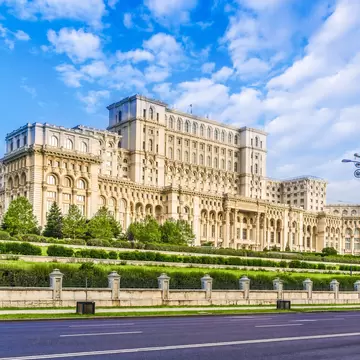
- Attraction in BucharestPalace of Parliament
-
 Attraction in RomaniaArbore Monastery
 - Attraction in BucharestStavropoleos Church
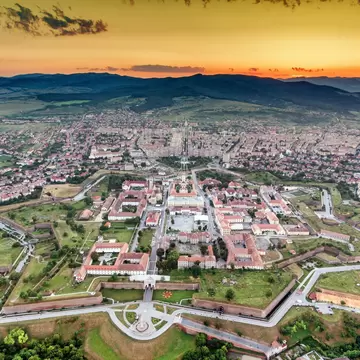
- Attraction in RomaniaAlba Carolina Citadel
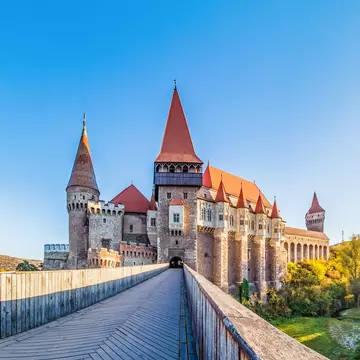
- Attraction in RomaniaCorvin Castle
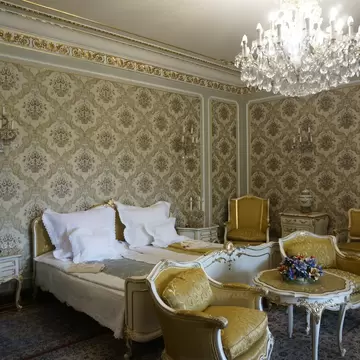
- Attraction in BucharestFormer Ceauşescu Residence
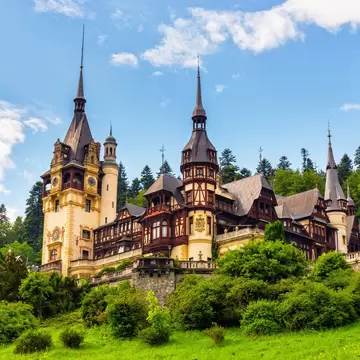
- Attraction in SinaiaPeleş Castle
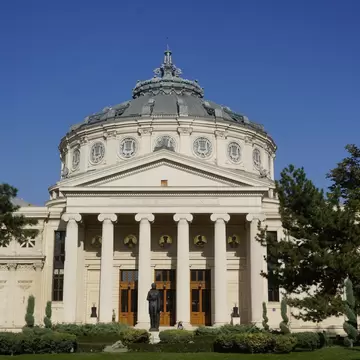
- Attraction in BucharestRomanian Athenaeum
Travel Guides
Romania travel tips from Lonely Planet experts
Find practical guidance from our team of contributors around the world who bring their decades of first-hand travel experience to your next trip.
Best Things to Do
From the Saxon splendour of Transylvania to bird-watching on the Danube delta, here's our guide to the best things to do in Romania.
Read full article
Best Time to Visit
From sun-soaked beaches to snow-covered ski slopes, Romania is a year-round destination. Here are the best times to visit for every kind of vacation.
Read full article
Best Places to Visit
Discover the cultural and geographic diversity of Romania at places of tremendous natural beauty and riveting history.
Read full article
Get a book. Get inspired. Get exploring.
Romania and beyond
- destinationTransylvania
- destinationWallachia
- destinationBucharest
-
 destinationCluj-Napoca
 - destinationBraşov
- destinationSibiu
- destinationConstanţa
- destinationSinaia