
Advertisement
Setúbal
The thriving port town of Setúbal (shtoo-bahl) makes a terrific base for exploring the region’s natural assets. Top of the must-do list is a cruise to the marshy wetlands of the Sado estuary, the splashy playground of bottlenose dolphins, flocks of white storks (spring and summer), and wintering flamingos that make the water fizz like pink champagne. You can hike or bike along the dramatic, pine-brushed coastline of Parque Natural da Arrábida, or simply soak up rays on nearby sandy beaches.

Common dolphins in Atlantic Ocean

Trusted Partner
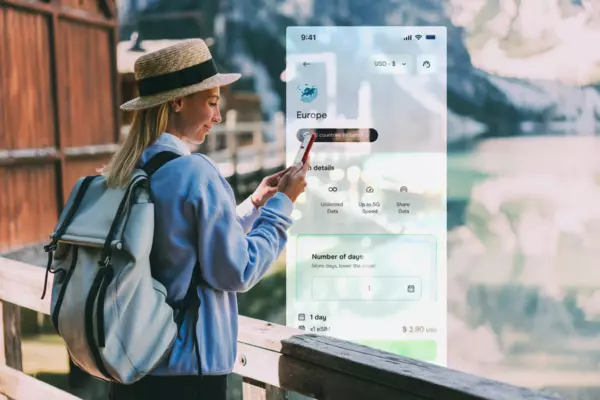
Stay connected in Setúbal
Holafly eSIM provides unlimited mobile data with no hidden fees, giving you peace of mind wherever you travel. Stay connected even after your plan ends with Always On. Use code LONELYPLANET for an exclusive discount.
Take your Portugal trip with Lonely Planet Journeys
Time to book that trip to Portugal
Lonely Planet Journeys takes you there with fully customizable trips to top destinations – all crafted by our local experts.


Top places to visit in Setúbal
Discover the best attractions in Setúbal from must-see sights to unexpected hidden gems.
-
 Attraction in SetúbalReserva Natural do Estuário do Sado
 - Attraction in SetúbalCasa da Cultura
- Attraction in SetúbalConvento de Jesus
- Attraction in SetúbalCastelo de São Filipe
- Attraction in SetúbalMoinho de Maré da Mouriscas
- Attraction in SetúbalMuseu do Trabalho Michel Giacometti
- Attraction in SetúbalPraça do Bocage
- Attraction in SetúbalMuseu de Arqueologia e Etnografia
Advertisement
Advertisement
Get a book. Get inspired. Get exploring.


in partnership with getyourguide
Book popular activities in Setúbal
Advertisement