
Coimbra
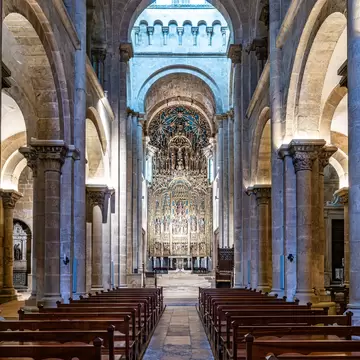
Rising scenically from the Rio Mondego, Coimbra is an animated city steeped in history. It was Portugal’s medieval capital for more than a century and it's home to the country’s oldest and most prestigious university. Its steeply stacked historic centre dates to Moorish times and is wonderfully atmospheric, with its dark cobbled lanes and monumental cathedral. On summer evenings, the city’s old stone walls reverberate with the haunting metallic notes of the guitarra (Portuguese guitar) and the full, deep voices of fado singers.
Book
App

Book your Portugal trip with Lonely Planet Journeys
See Portugal how it's meant to be seen
Planned by local experts and tailored to you, Lonely Planet Journeys handles the logistics so you can just enjoy the trip. Tell us what you want and we'll build your Portugal itinerary from scratch, or browse our bookable trips to get inspired.


Top places to visit in Coimbra
Discover the best attractions in Coimbra from must-see sights to unexpected hidden gems.
- Attraction in CoimbraBiblioteca Joanina
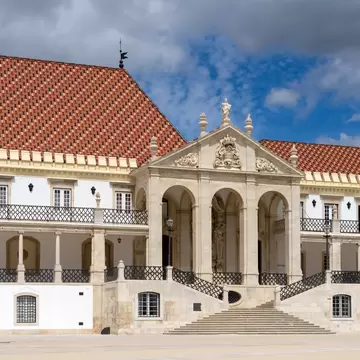
- Attraction in CoimbraUniversity of Coimbra
-
 Attraction in CoimbraJardim Botânico
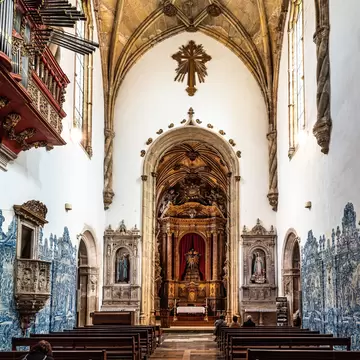
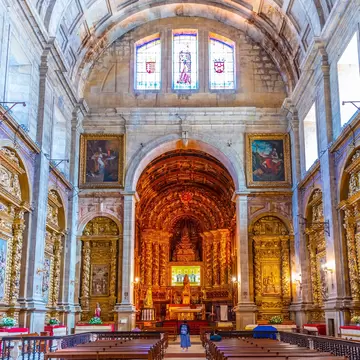
 - Attraction in CoimbraIgreja de Santa Cruz
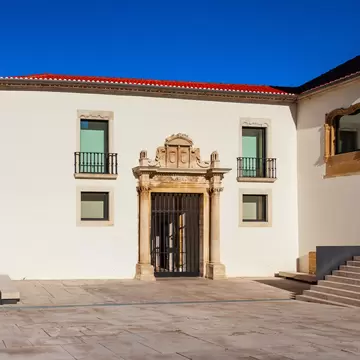
- Attraction in CoimbraMuseu Nacional de Machado de Castro
-
- Attraction in CoimbraMosteiro de Santa Clara-a-Nova
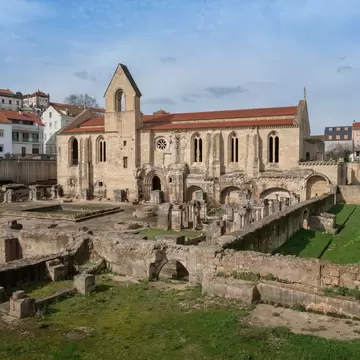
- Attraction in CoimbraMosteiro de Santa Clara-a-Velha

Get a book. Get inspired. Get exploring.

in partnership with getyourguide
Book popular activities in Coimbra
Lonely Planet may earn a commission from affiliate links on our site. All recommendations and reviews reflect our own independent opinions.