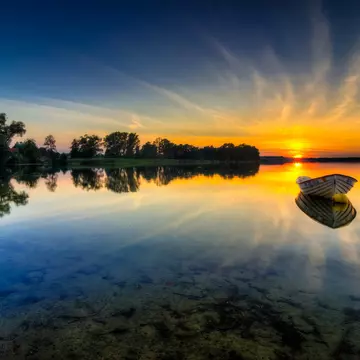
Poland
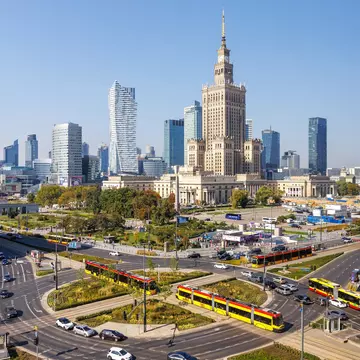
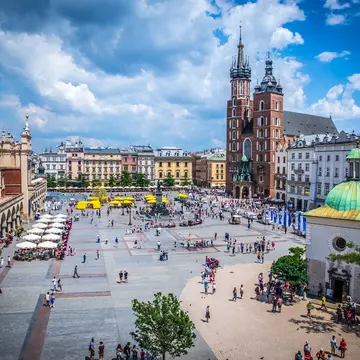
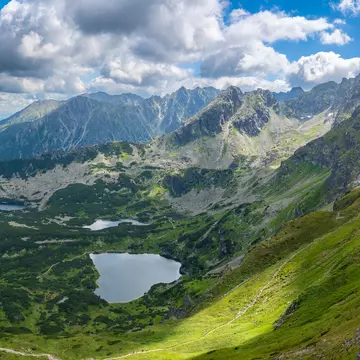
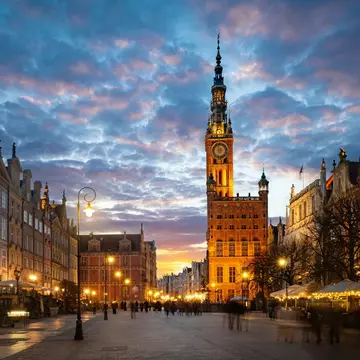
Picturesque cities such as Kraków and Gdańsk vie with energetic Warsaw for your urban attention. Elsewhere, woods, rivers, lakes and hills beckon for some fresh-air fun.
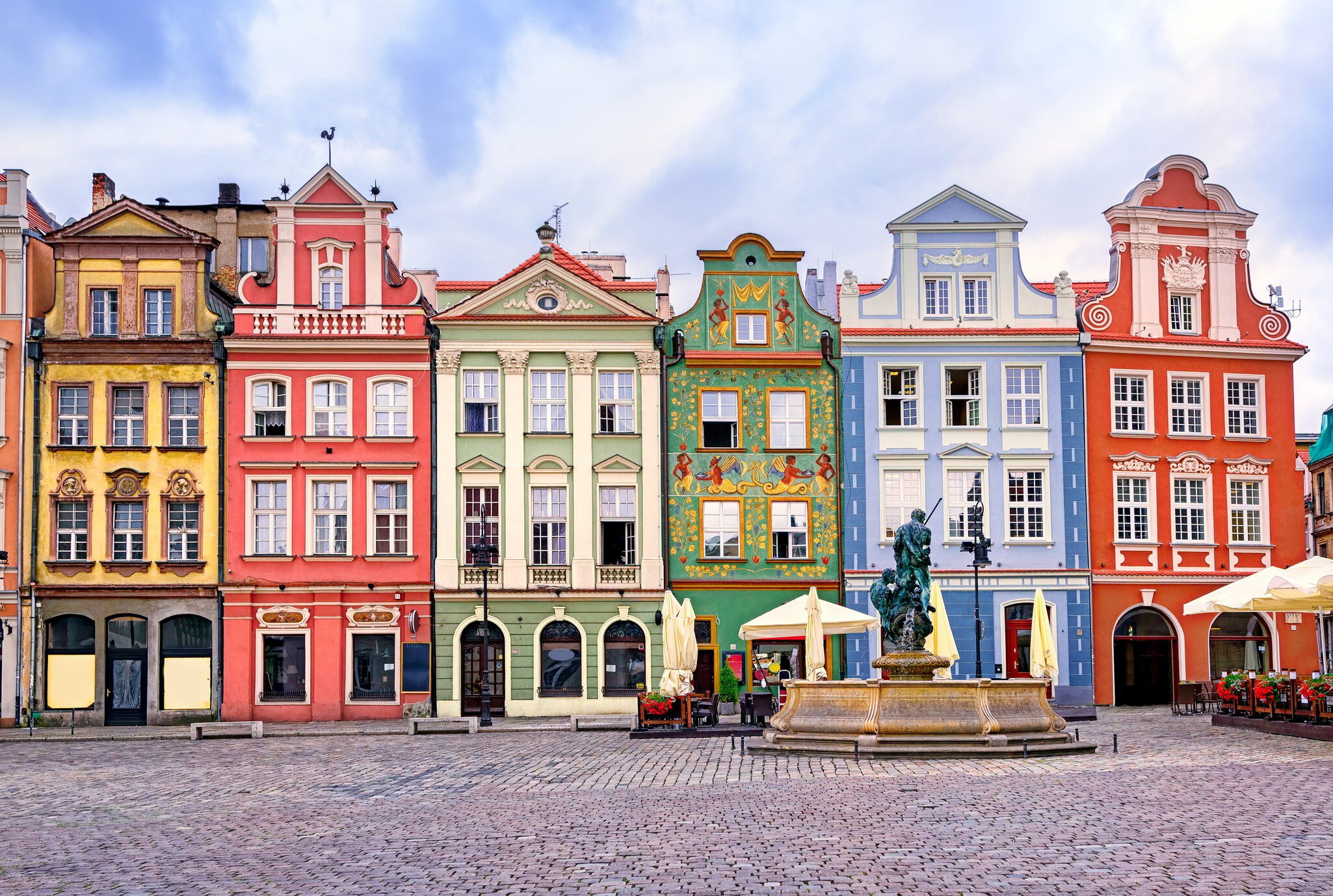
Boris Stroujko/Shutterstock
Latest Stories
- Joe Bindloss | Sep 2, 2026A guide to touring Auschwitz-Birkenau in Poland
- Simon Richmond | Jun 13, 2025A First-Time Guide to Poland
- Simon Richmond | Apr 26, 202510 Best Things to Do in Poland
- Lonely Planet Editors | Mar 24, 2025What to Eat and Drink in Poland
Book
App

Trusted Partner
Dreaming of Poland? Protect your trip
Travel with confidence. Protect your trip and your wallet.
We don’t represent World Nomads, we receive a fee from quotes using this link. This is not a recommendation to buy travel insurance.
Top places to visit in Poland
Discover the best attractions in Poland from must-see sights to unexpected hidden gems.
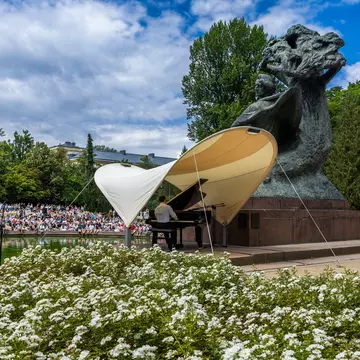
- Attraction in WarsawŁazienki Park
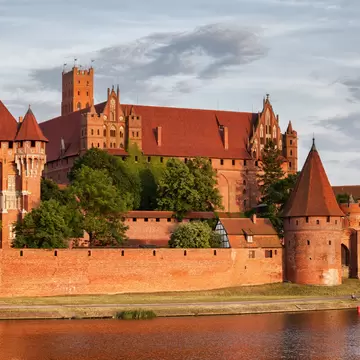
- Attraction in PolandMalbork Castle
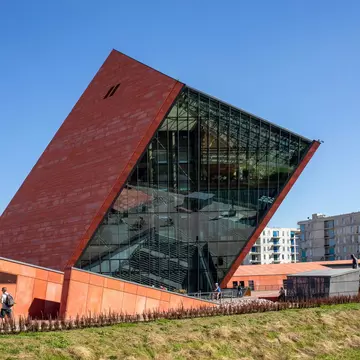
- Attraction in GdańskMuseum of WWII
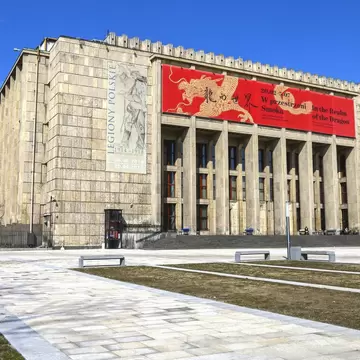
- Attraction in KrakówNational Museum
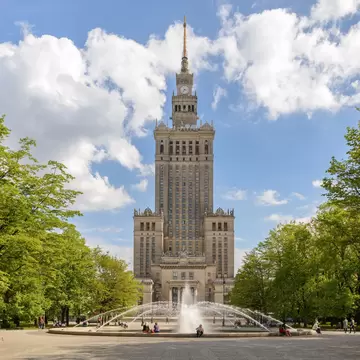
- Attraction in WarsawPalace of Culture & Science
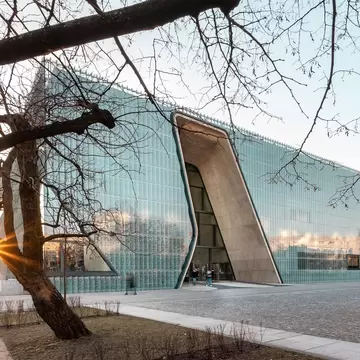
- Attraction in WarsawPOLIN Museum of the History of Polish Jews
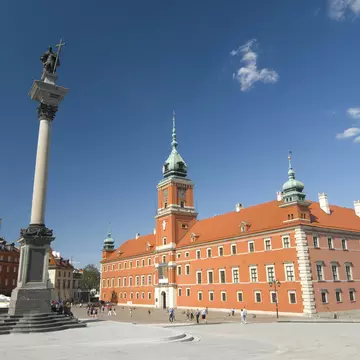
- Attraction in WarsawRoyal Castle
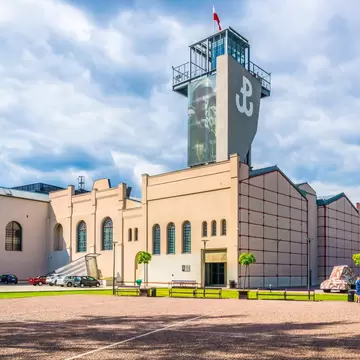
- Attraction in WarsawWarsaw Rising Museum
Travel Guides
Poland travel tips from Lonely Planet experts
Find practical guidance from our team of contributors around the world who bring their decades of first-hand travel experience to your next trip.
Best Things to Do
This European gem delivers, with castles and museums packing its cities, and outdoor adventures galore. Here are some of the best things to do in Poland.
Read full article
Best Time to Visit
Discover the best time to visit Poland, from the warm Baltic beaches in the summer to the ski slopes of the Tatra Mountains in the winter.
Read full article
Best Places to Visit
From the elegant churches of Kraków to the timber villages of the Tatra Mountains and the Baltic beaches, here are the best places to visit in Poland.
Read full article
Get a book. Get inspired. Get exploring.
in partnership with getyourguide
Book popular activities in Poland
Lonely Planet may earn a commission from affiliate links on our site. All recommendations and reviews reflect our own independent opinions.
Poland and beyond
- destinationWarsaw
- destinationKraków
- destinationCarpathian Mountains
-
 destinationPoznań
 - destinationGdańsk
- destinationWrocław
- destinationThe Great Masurian Lakes
- destinationSopot