
Advertisement
Philippines
The Philippines is defined by its emerald rice fields, teeming megacities, graffiti-splashed jeepneys, smoldering volcanoes, bug-eyed tarsiers, fuzzy water buffalo and smiling, happy-go-lucky people.

Getty Images
Latest Stories
- Ray Bartlett|May 21, 2026The ultimate 10-days in Luzon, the Philippines
- Kara Santos|Apr 15, 2026The best beaches in the Philippines
- Kara Santos|Oct 22, 2025What is the best time to visit the Philippines?
- Kara Santos|Oct 22, 2025Top 10 destinations in the Philippines
Book
Trip 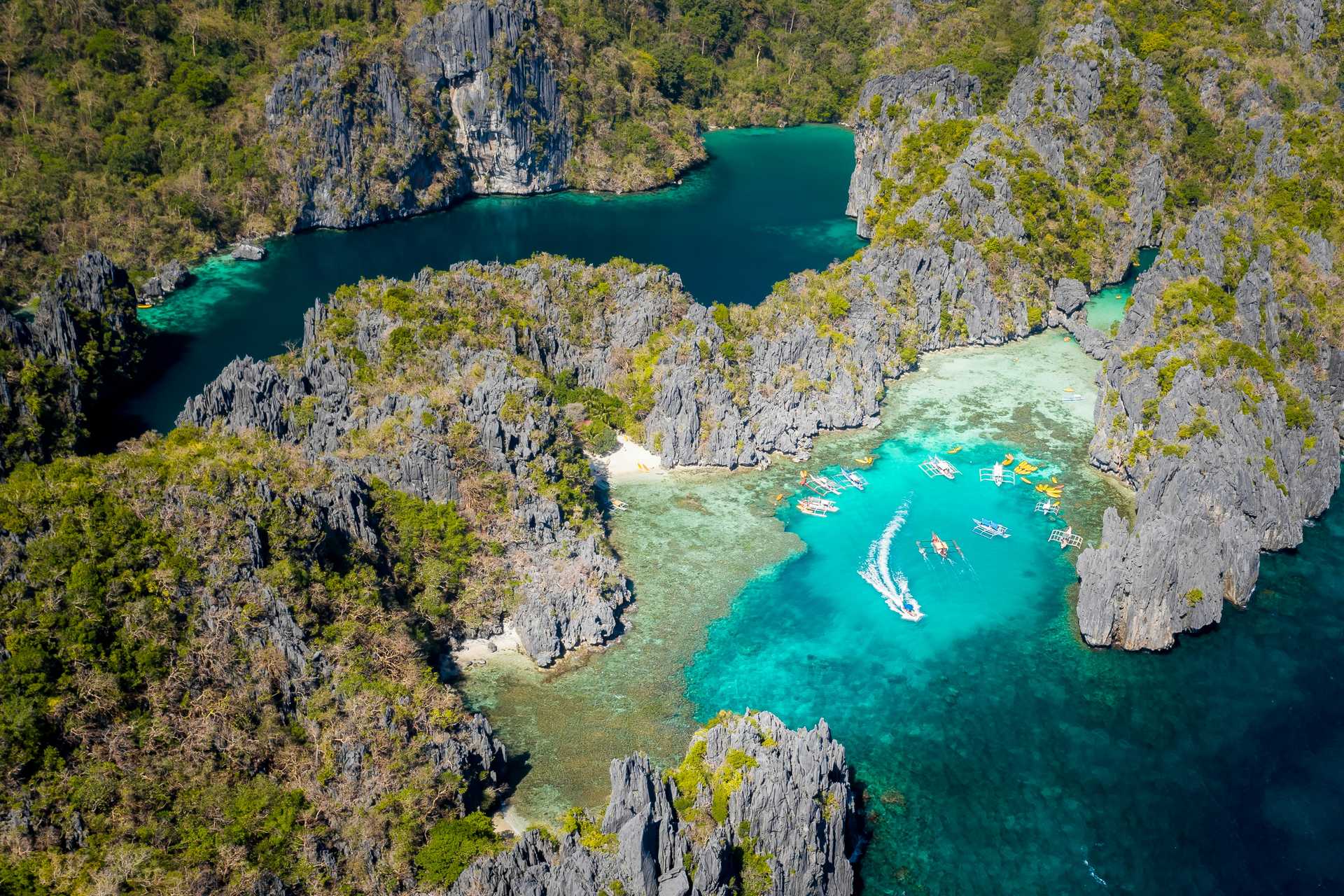


Trusted Partner
Dreaming of Philippines? Protect your trip
Travel with confidence. Protect your trip and your wallet.
We don’t represent World Nomads, we receive a fee from quotes using this link. This is not a recommendation to buy travel insurance.
Take your Philippines trip with Lonely Planet Journeys
Pick one of our ready-to-book trips or fully customize your own with help from our local experts.
bookable trip
14 Days in The Philippines: Land, Sea, and Culture
highlights
- 1 Hiking amid the lush, UNESCO-recognized rice terraces of Banaue and Ifugao
- 2 Relaxing in Pampanga's Puning Hot Spring on a thrilling — wellness-focused — 4x4 tour
- 3 Hopping from island to island in Bacuit Bay on a private Palawan boat tour
from $11,904
per person


Top places to visit in Philippines
Discover the best attractions in Philippines from must-see sights to unexpected hidden gems.
-
 Attraction in North LuzonUniversity of the Philippines Marine Science Institute
 -
- Attraction in MindanaoFort Pilar Museum
- Attraction in MindanaoTinago Falls
- Attraction in MindanaoSanta Cruz Island
- Attraction in MindanaoPresident Gloria Macapagal-Arroyo’s Childhood Summer Home
- Attraction in MindanaoMaria Cristina Falls
- Attraction in North LuzonChurch of St James
Advertisement
Travel Guides
Philippines travel tips from Lonely Planet experts
Find practical guidance from our team of contributors around the world who bring their decades of first-hand travel experience to your next trip.
Best Time to Visit
The Philippines is a magical destination any time of year, with each season offering distinct advantages.
Read full article
Things to Know
Before you set off to this fabulous Southeast Asian nation, consider familiarizing yourself with these pointers.
Read full article
Best Places to Visit
From island bliss to beach adventures to snorkeling and wreck diving, you'll have plenty to choose from in the Philippines.
Read full article
Advertisement
Get a book. Get inspired. Get exploring.
in partnership with getyourguide
Book popular activities in Philippines
Philippines and beyond
-
 destinationEastern Visayas
 -
 destinationWestern Visayas
 -
 destinationManila
 -
 destinationNorth Luzon
 -
 destinationPalawan
 -
 destinationMindanao
 -
 destinationSoutheast Luzon
 -
 destinationCebu City
Advertisement