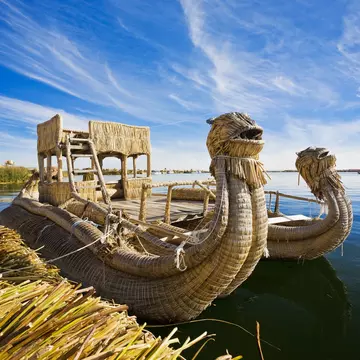
Lake Titicaca
In Andean belief, Titicaca is the birthplace of the sun. Set between Peru and Bolivia, it’s the largest lake in South America and the highest navigable body of water in the world. Bright days contrast with bitterly cold nights. Enthralling, deep-blue Lake Titicaca is the unifying, longtime home of highland cultures steeped in the old ways.
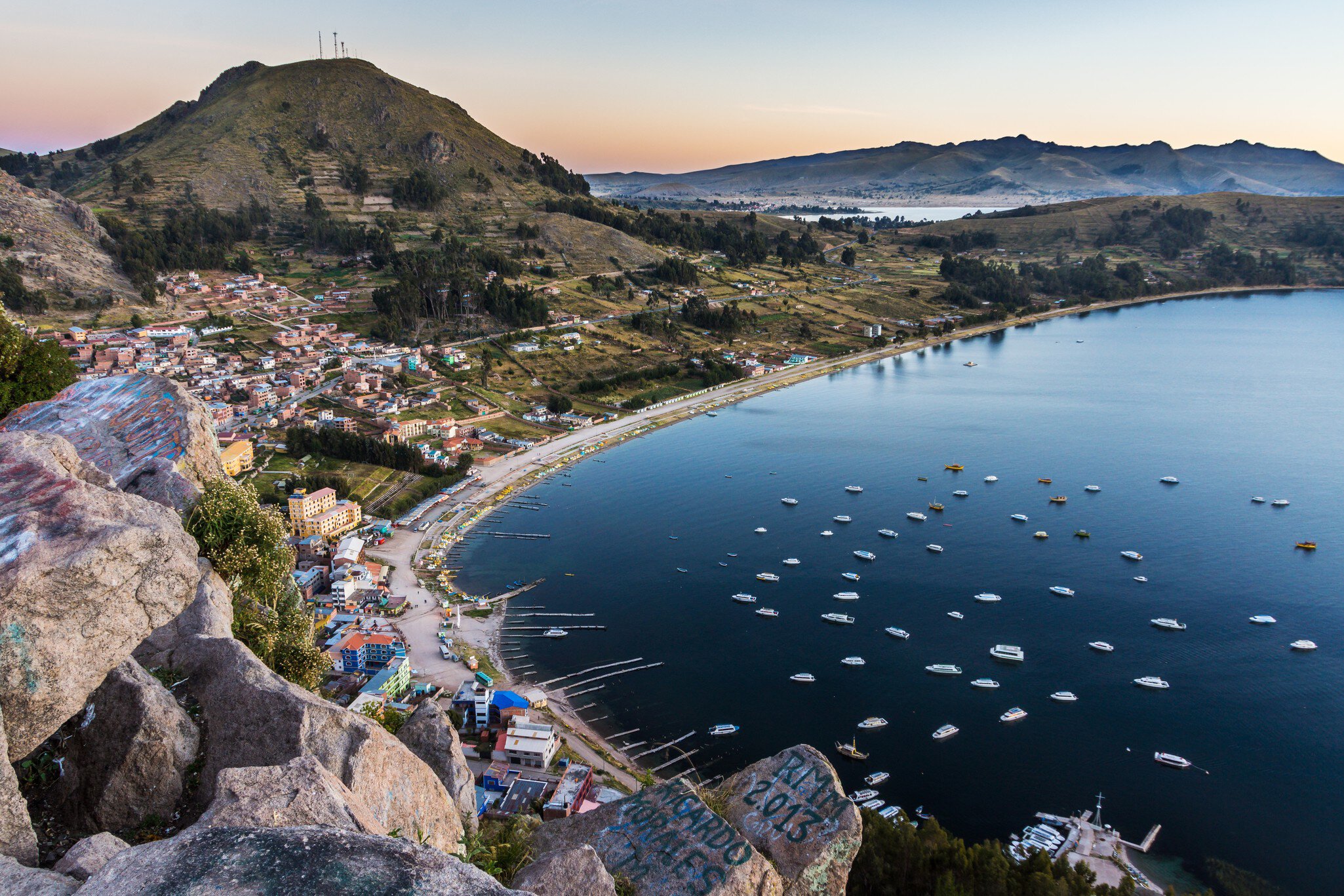
©Axel Flasbarth/500px
Book
Trip 

Trusted Partner
Dreaming of Lake Titicaca? Protect your trip
Travel with confidence. Protect your trip and your wallet.
We don’t represent World Nomads, we receive a fee from quotes using this link. This is not a recommendation to buy travel insurance.
Book your Peru trip with Lonely Planet Journeys
See Peru how it's meant to be seen
Planned by local experts and tailored to you, Lonely Planet Journeys handles the logistics so you can just enjoy the trip. Tell us what you want and we'll build your Peru itinerary from scratch, or browse our bookable trips to get inspired.
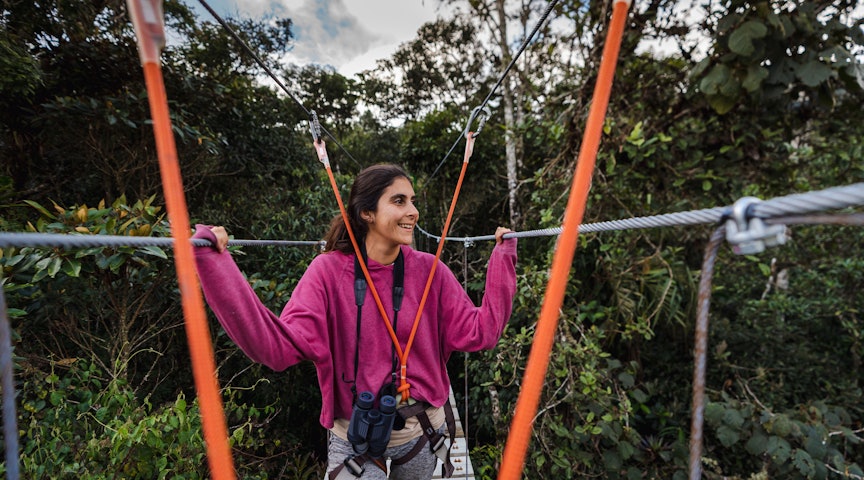

Top places to visit in Lake Titicaca
Discover the best attractions in Lake Titicaca from must-see sights to unexpected hidden gems.
-
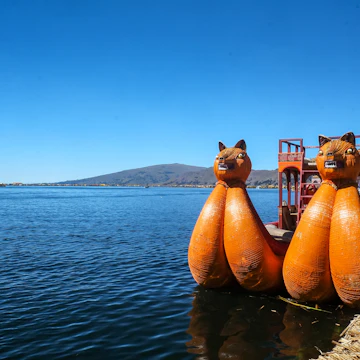 Attraction in Lake TiticacaIsla Amantaní
 -
 Attraction in Lake TiticacaIsla Taquile
 - Attraction in PunoCasa del Corregidor
-
- Attraction in Lake TiticacaSillustani
- Attraction in PunoMuseo Carlos Dreyer
- Attraction in Lake TiticacaIglesia de Santiago Apostol
-
Get a book. Get inspired. Get exploring.

in partnership with getyourguide
Book popular activities in Lake Titicaca
Lonely Planet may earn a commission from affiliate links on our site. All recommendations and reviews reflect our own independent opinions.
Lake Titicaca and beyond
- destinationPuno