
Arequipa
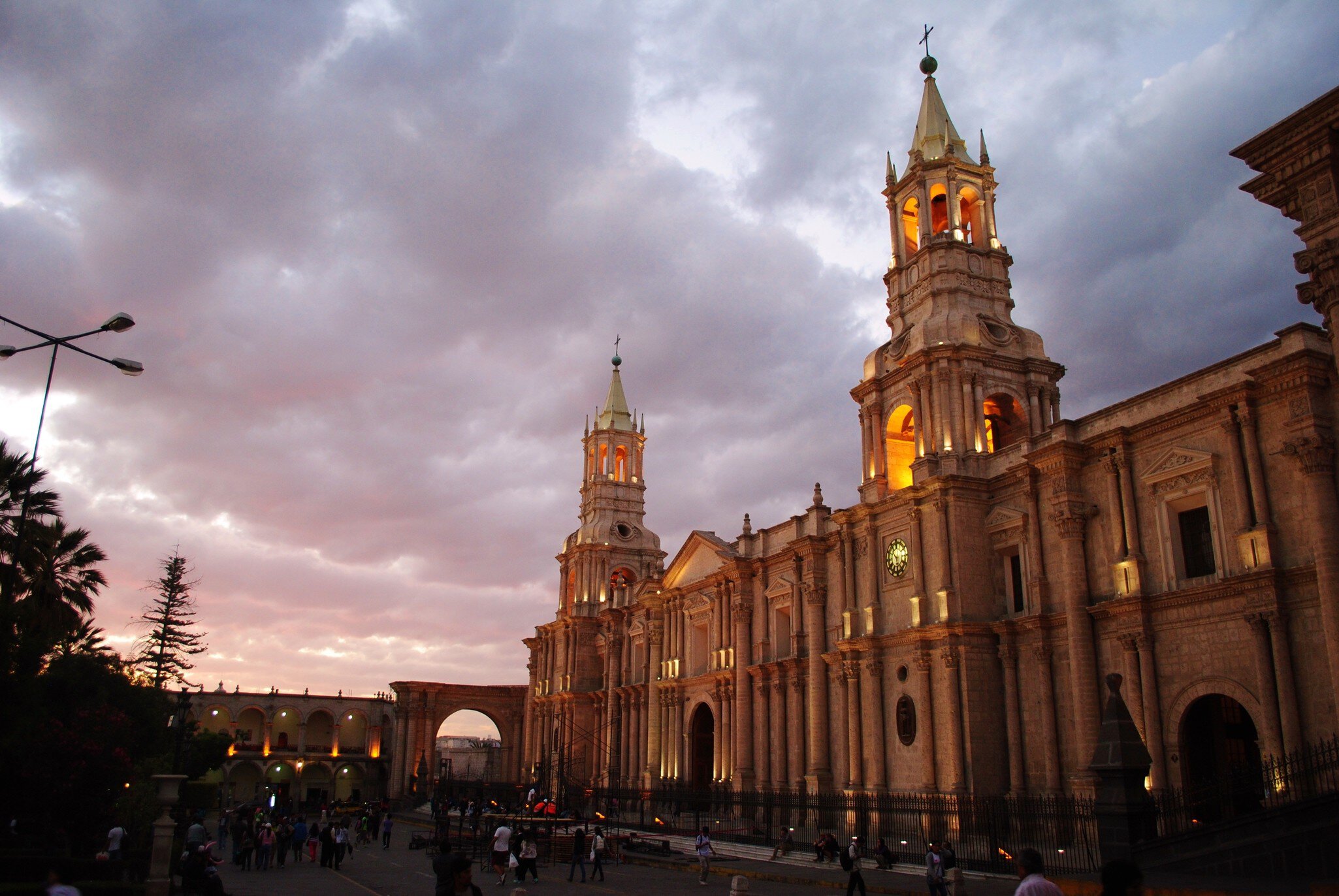
Other Peruvians joke that you need a different passport to enter Peru’s second-largest city. One-tenth the size of Lima, Arequipa is its pugnacious equal in terms of cuisine, historical significance and confident self-awareness.
Getty Images/iStockphoto
Latest Stories
- Julia Eskins | Apr 24, 2018Artisanal Arequipa: Peru’s Capital for Modern Makers
Book
Trip 
App


Trusted Partner
Dreaming of Arequipa? Protect your trip
Travel with confidence. Protect your trip and your wallet.
We don’t represent World Nomads, we receive a fee from quotes using this link. This is not a recommendation to buy travel insurance.
Book your Peru trip with Lonely Planet Journeys
See Peru how it's meant to be seen
Planned by local experts and tailored to you, Lonely Planet Journeys handles the logistics so you can just enjoy the trip. Tell us what you want and we'll build your Peru itinerary from scratch, or browse our bookable trips to get inspired.


Top places to visit in Arequipa
Discover the best attractions in Arequipa from must-see sights to unexpected hidden gems.
- Attraction in ArequipaMonasterio de Santa Catalina
- Attraction in ArequipaMuseo de la Catedral
- Attraction in ArequipaLa Catedral
- Attraction in ArequipaMuseo Santuarios Andinos
- Attraction in ArequipaCasa de Moral
- Attraction in ArequipaCasa Ricketts
-
 Attraction in ArequipaConvento y Museo de la Recoleta
 - Attraction in ArequipaIglesia de la Compañía

Get a book. Get inspired. Get exploring.
in partnership with getyourguide
Book popular activities in Arequipa
Lonely Planet may earn a commission from affiliate links on our site. All recommendations and reviews reflect our own independent opinions.