
Iquitos
Linked to the outside world by air and by river, Iquitos is the world’s largest city that cannot be reached by road. It’s a prosperous, vibrant jungle metropolis and the northern Amazon Basin's chief city, teeming with the usual, inexplicably addictive Amazonian anomalies. Unadulterated jungle encroaches beyond town in view of the air-conditioned, elegant restaurants that flank the riverside; motorized tricycles whiz manically through the streets yet locals mill around the central plazas eating ice cream like there is all the time in the world. Mud huts mingle with magnificent tiled mansions; tiny dugout canoes ply the water alongside colossal cruise ships. You may well arrive in Iquitos for the greater adventure of a boat trip down the Amazon, but whether it’s sampling rainforest cuisine, the buzzing nightlife or one of Peru’s most fascinating markets in the floating shantytown of Belén, this thriving city will entice you to stay awhile.
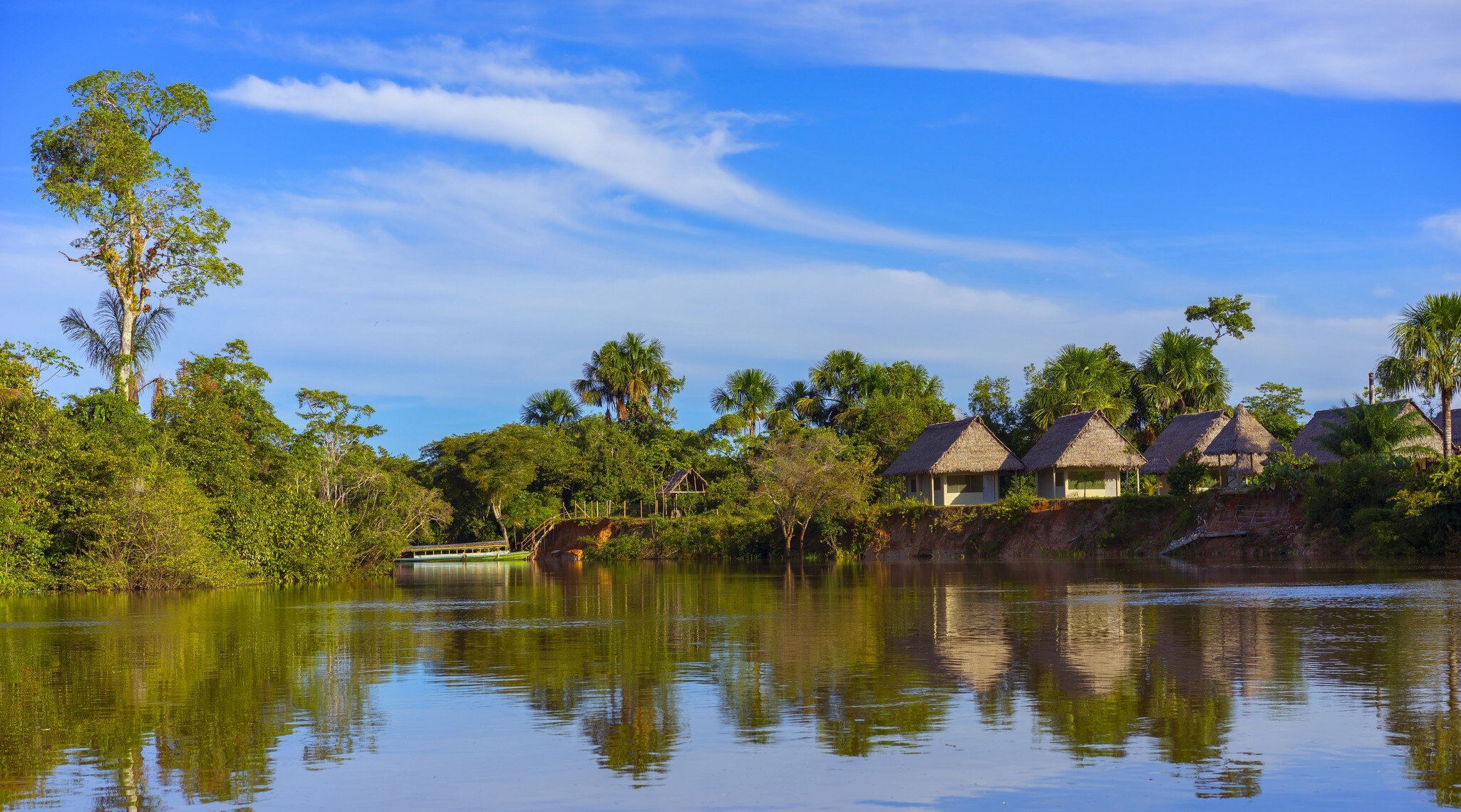
©juan gabaldon/500px


Trusted Partner
Dreaming of Iquitos? Protect your trip
Travel with confidence. Protect your trip and your wallet.
We don’t represent World Nomads, we receive a fee from quotes using this link. This is not a recommendation to buy travel insurance.
Book your Peru trip with Lonely Planet Journeys
See Peru how it's meant to be seen
Planned by local experts and tailored to you, Lonely Planet Journeys handles the logistics so you can just enjoy the trip. Tell us what you want and we'll build your Peru itinerary from scratch, or browse our bookable trips to get inspired.

Get a book. Get inspired. Get exploring.
in partnership with getyourguide
Book popular activities in Iquitos
Lonely Planet may earn a commission from affiliate links on our site. All recommendations and reviews reflect our own independent opinions.