
Pakistan
Pakistan is blessed with abundant natural and historical riches. Incredible mountain landscapes are set against a backdrop of desert forts and stories of sultans and djinns. In its cities, ancient bazaars are home to intricately etched copper kitchenware alongside pungent spice racks and steaming tea stalls.
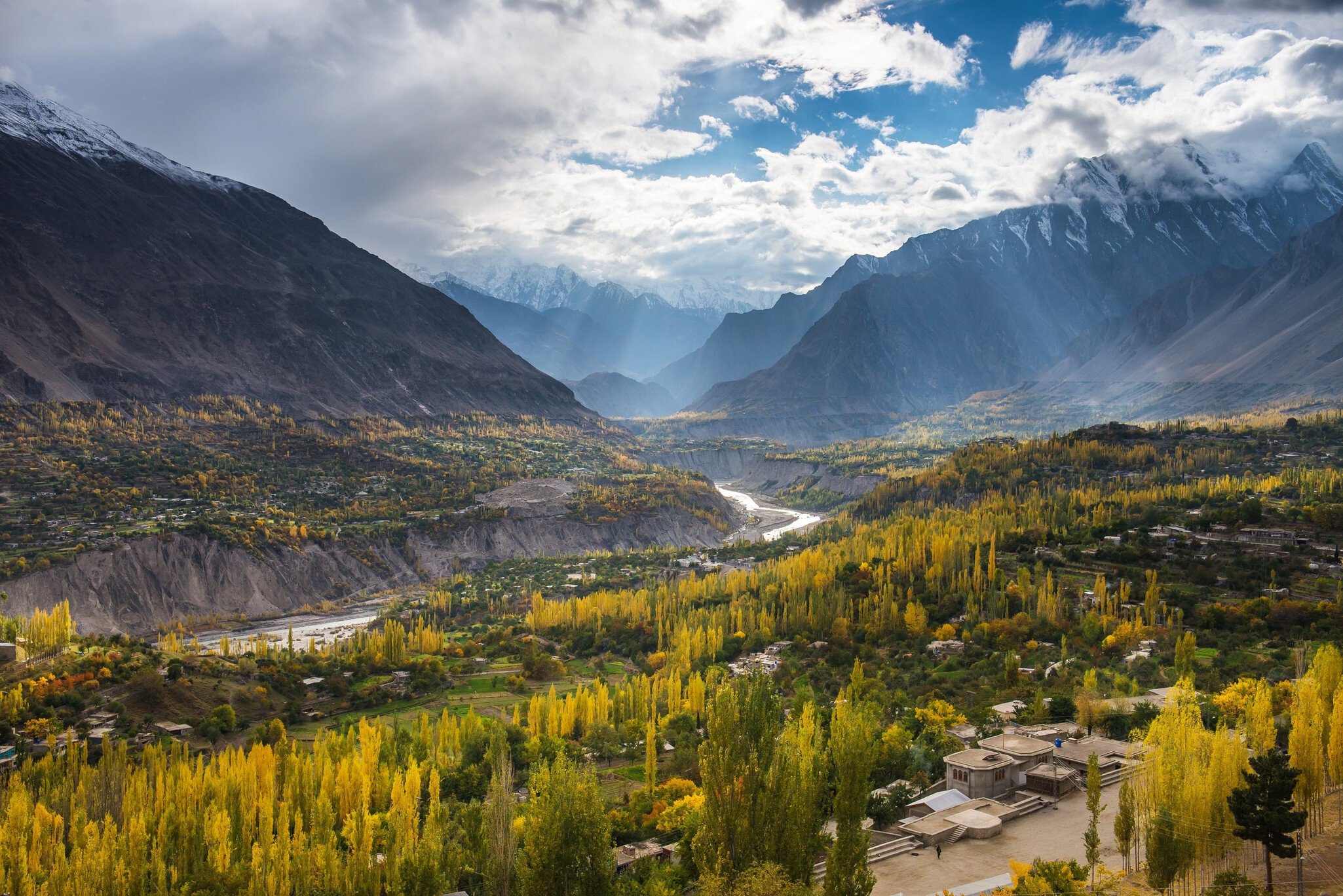
©Kriangkraiwut Boonlom/500px
Latest Stories
- Anam Hussain | Jan 23, 202612 of the best things to do in Pakistan
- Peter Watson | Mar 12, 2025How to trek to K2 base camp in Pakistan
- Joe Bindloss | Sep 4, 2023Do I need a visa to visit Pakistan?
- Bradley Mayhew | Sep 3, 2023The 6 best road trips in Pakistan
Book

Top places to visit in Pakistan
Discover the best attractions in Pakistan from must-see sights to unexpected hidden gems.
-
 Attraction in KarachiSindh High Court
 - Attraction in LahoreRace Course Park
- Attraction in KarachiZiarat of Abdullah Shah Gazi
- Attraction in Karakoram HighwayNeelam Bazaar
- Attraction in PakistanChitral Polo Ground
- Attraction in Karakoram HighwayBuddha Relief
- Attraction in PakistanSwat Museum
- Attraction in Islamabad & RawalpindiPakistan Army Museum
Travel Guides
Pakistan travel tips from Lonely Planet experts
Find practical guidance from our team of contributors around the world who bring their decades of first-hand travel experience to your next trip.
Best Things to Do
From rooftop dining in Lahore to exploring the ruins of one of the world's oldest cities, here are the best experiences in Pakistan.
Read full article
Best Time to Visit
Pakistan is a nation of many wonders, but it pays to factor in the climate and festival calender. Plan your trip with this seasonal guide.
Read full article
Things to Know
Pakistan is a thrilling destination, but travel here can be challenging for the unprepared. Here’s what you need to know before you visit.
Read full article
Transportation
Information about public transport in Pakistan can be difficult to find online. Here's everything you need to know about getting around when you arrive.
Read full article
Best Road Trips
Whether you drive yourself or hire a car and driver, Pakistan is a spectacular place to take a road trip. Here’s our pick of Pakistan's best drives.
Read full article
Money and Costs
Pakistan is one of Asia’s most affordable destinations. With these budget travel tips, you’ll save on flights, accommodation, food and more.
Read full article
Traveling with Kids
Follow these insider tips and you'll find Pakistan is a great place to travel with kids.
Read full article
Best Places to Visit
Vibrant cities, breathtaking peaks, ancient culture and spiritual sites – Pakistan has many wonderful places to visit. Here are 11 of our favorites.
Read full article