
Muscat
Scenically wedged between mountains and ocean, with old forts and excellent museums, an opera house and flower-filled parks, the gentle city of Muscat is a delight to visit. Its name means ‘safe anchorage’, and the sea plays an important role in city life to this day, sustaining the fishing industry and providing opportunities for visitors to swim from sandy beaches or dive with turtles in nearby lagoons.
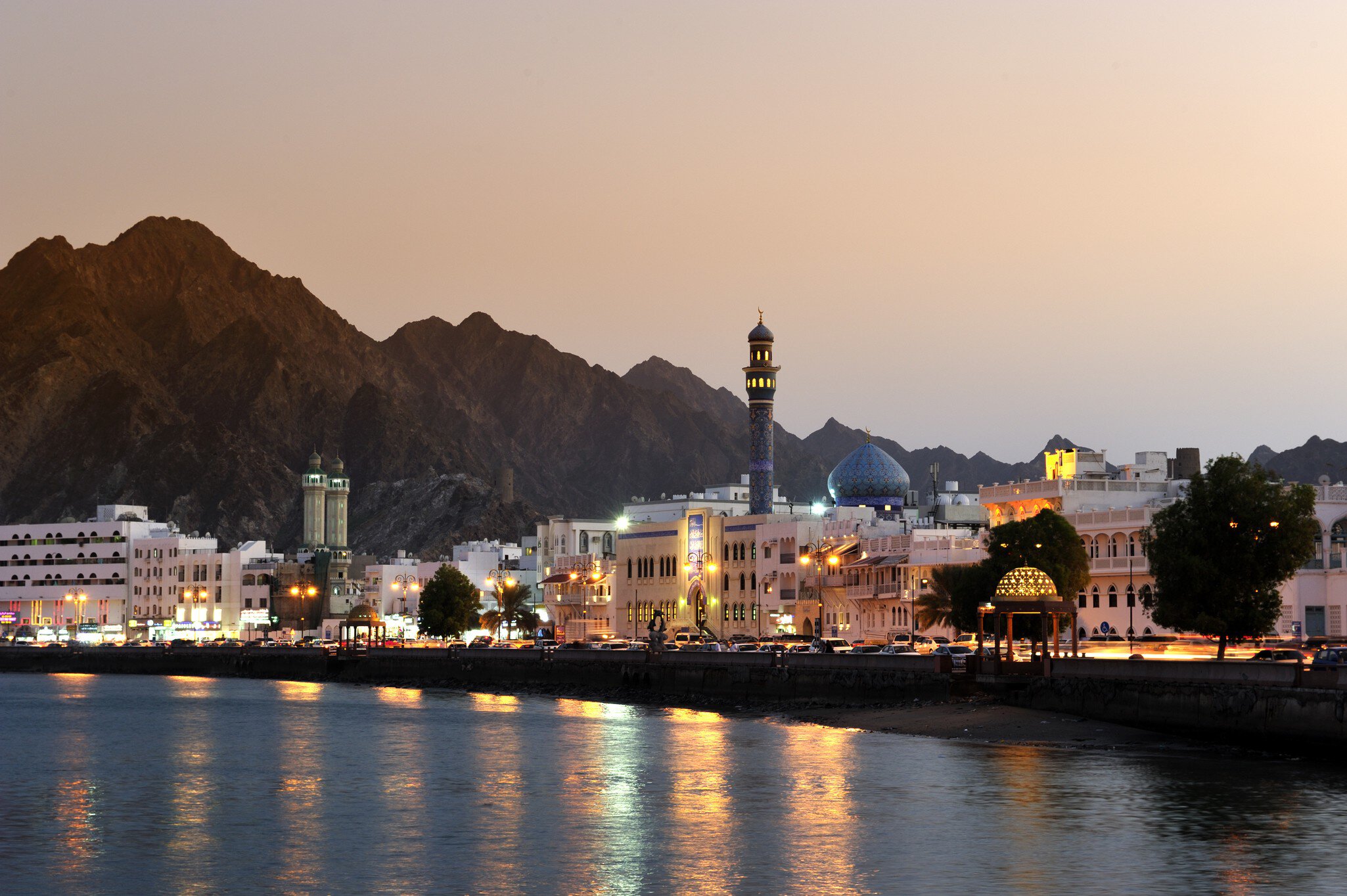
Getty Images

Top places to visit in Muscat
Discover the best attractions in Muscat from must-see sights to unexpected hidden gems.
- Attraction in MuscatGrand Mosque
-
 Attraction in MuscatBait Al Zubair
 - Attraction in MuscatGhalya's Museum of Modern Art
- Attraction in MuscatMarina Bandar Al Rowdha
- Attraction in MuscatMutrah Corniche
- Attraction in MuscatSultan’s Armed Forces Museum
- Attraction in MuscatSultan’s Palace
- Attraction in MuscatAl Jalali Fort
Get a book. Get inspired. Get exploring.
in partnership with getyourguide
Book popular activities in Muscat
Lonely Planet may earn a commission from affiliate links on our site. All recommendations and reviews reflect our own independent opinions.