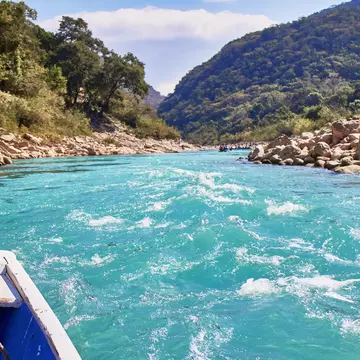
Northern Central Highlands
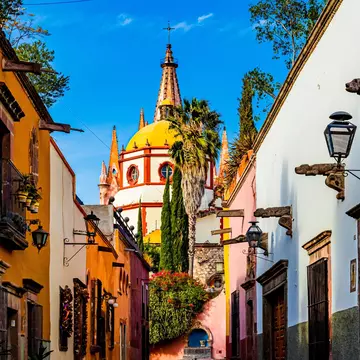
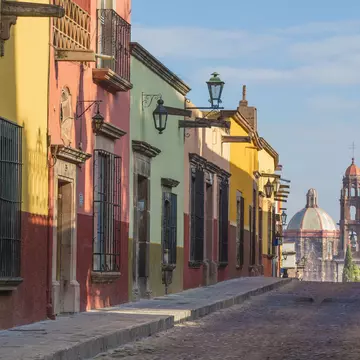
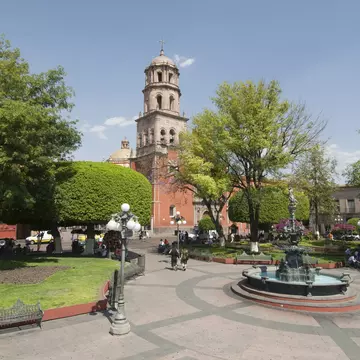
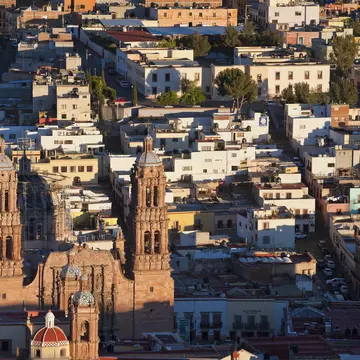
From cobbled lanes and shaded plazas to vast deserts and cloud forest, Mexico's northern central highlands is a region as varied as its history, cuisine and cultures. It was here that enormous mineral wealth created rich colonial cities before revolutionary activity left ghost towns in its wake. Known as the Cuna de la Independencia (Cradle of Independence), the territory is renowned for its part in the country's fight for autonomy, spurred on by the famous Grito de Dolores, which called the Mexican people to arms against the Spanish.
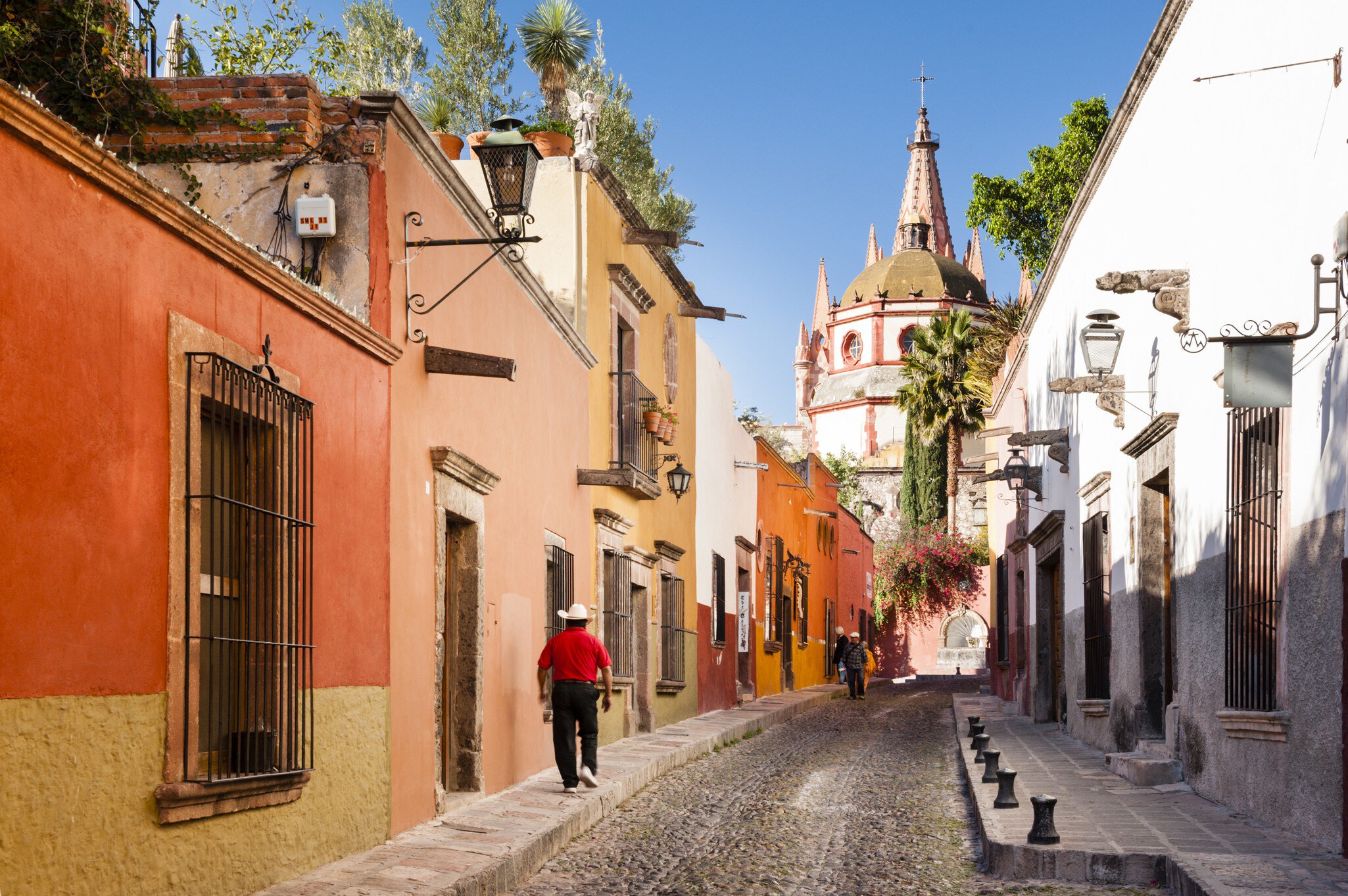
©Justin Foulkes/Lonely Planet

Trusted Partner
Stay connected in Northern Central Highlands
Holafly eSIM provides unlimited mobile data with no hidden fees, giving you peace of mind wherever you travel. Stay connected even after your plan ends with Always On. Use code LONELYPLANET for an exclusive discount.
Lonely Planet may earn a commission from affiliate links on our site. All recommendations and reviews reflect our own independent opinions.
Take your Mexico trip with Lonely Planet Journeys
Time to book that trip to Mexico
Lonely Planet Journeys takes you there with fully customizable trips to top destinations – all crafted by our local experts.

Top places to visit in Northern Central Highlands
Discover the best attractions in Northern Central Highlands from must-see sights to unexpected hidden gems.
-
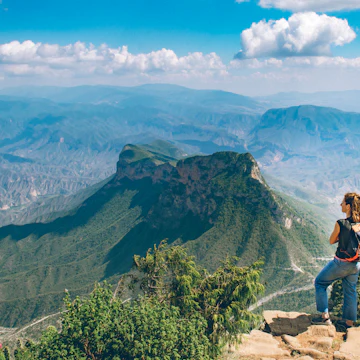 Attraction in Northern Central HighlandsReserva de la Biosfera Sierra Gorda
 -
 Attraction in La Huasteca PotosinaSótano de las Huahuas
 -
 Attraction in La Huasteca PotosinaCascada de Tamul
 - Attraction in ZacatecasMina El Edén
- Attraction in San Miguel de AllendeJardín Botánico El Charco del Ingenio
- Attraction in San Miguel de AllendeBiblioteca Pública
-
 Attraction in San Miguel de AllendeEscuela de Bellas Artes
 -
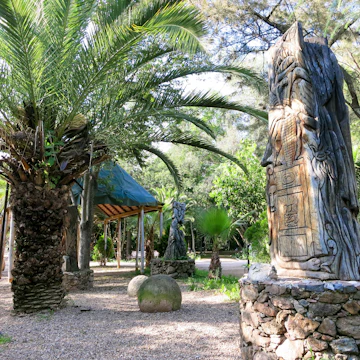 Attraction in San Miguel de AllendeParque Benito Juárez
Get a book. Get inspired. Get exploring.


in partnership with getyourguide
Book popular activities in Northern Central Highlands
Lonely Planet may earn a commission from affiliate links on our site. All recommendations and reviews reflect our own independent opinions.
Northern Central Highlands and beyond
- destinationSan Miguel de Allende
- destinationGuanajuato
- destinationQuerétaro
- destinationZacatecas
- destinationLa Huasteca Potosina