
Teotihuacán
This complex of awesome pyramids, set amid what was once Mesoamerica’s greatest city, is the region’s most visited destination. The sprawling site compares to the ruins of the Yucatán and Chiapas for significance and anyone lucky enough to come here will be inspired by the astonishing technological might of the Teotihuacán (teh-oh-tee-wah-kahn) civilization.
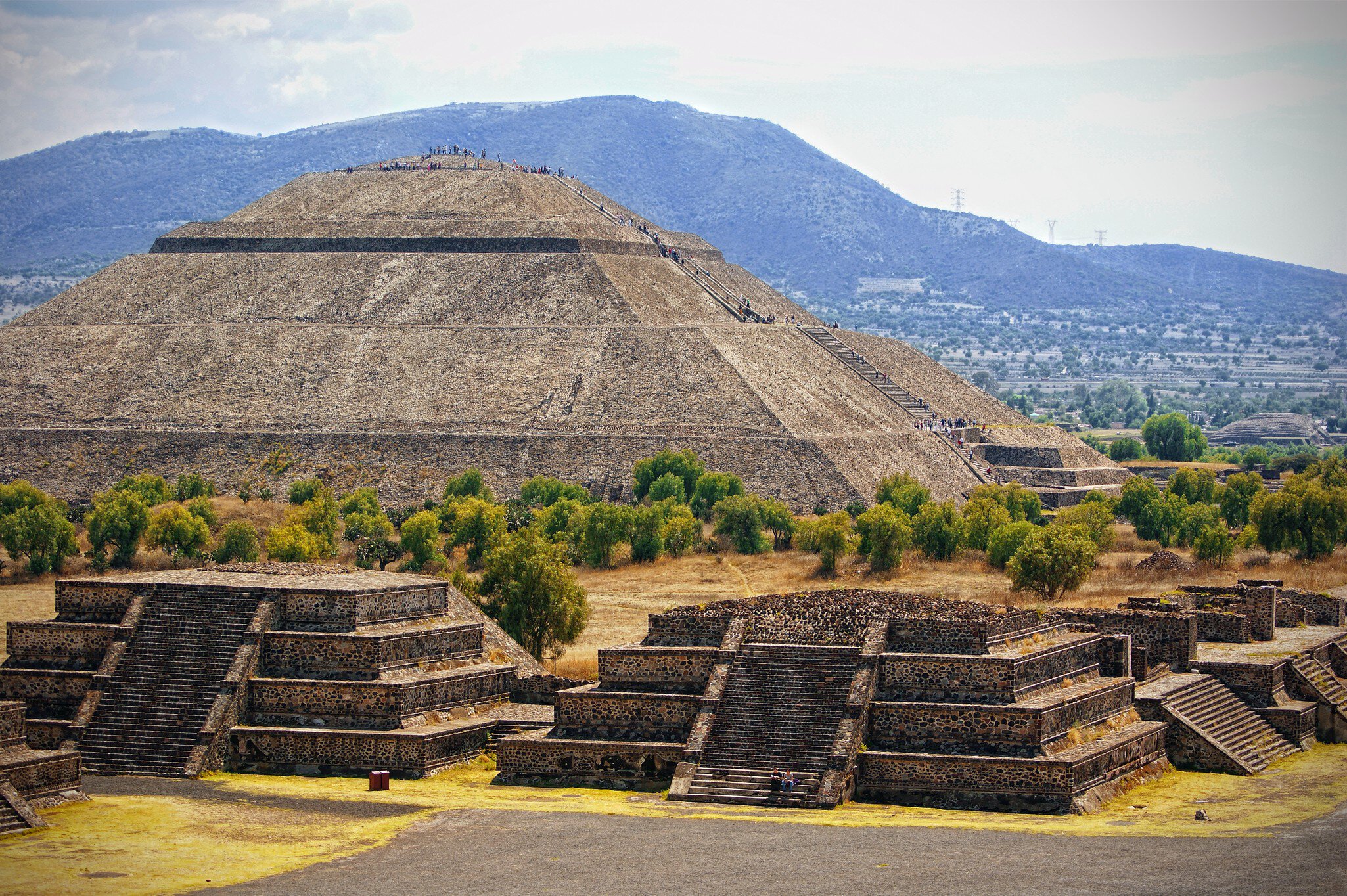
Getty Images/Flickr RF


Trusted Partner
Stay connected in Teotihuacán
Holafly eSIM provides unlimited mobile data with no hidden fees, giving you peace of mind wherever you travel. Stay connected even after your plan ends with Always On. Use code LONELYPLANET for an exclusive discount.
Lonely Planet may earn a commission from affiliate links on our site. All recommendations and reviews reflect our own independent opinions.
Book your Mexico trip with Lonely Planet Journeys
See Mexico how it's meant to be seen
Planned by local experts and tailored to you, Lonely Planet Journeys handles the logistics so you can just enjoy the trip. Tell us what you want and we'll build your Mexico itinerary from scratch, or browse our bookable trips to get inspired.


Top places to visit in Teotihuacán
Discover the best attractions in Teotihuacán from must-see sights to unexpected hidden gems.
-
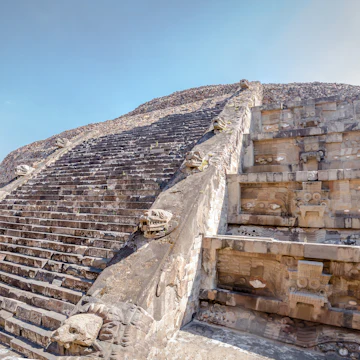 Attraction in TeotihuacánTemplo de Quetzalcóatl
 -
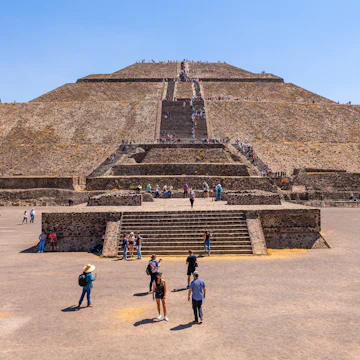 Attraction in TeotihuacánPirámide del Sol
 -
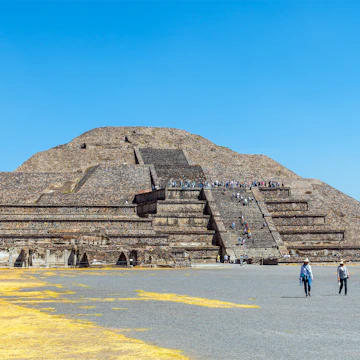 Attraction in TeotihuacánPirámide de la Luna
 -
 Attraction in TeotihuacánPalacio de Tepantitla
 - Attraction in TeotihuacánMuseo del Sitio
- Attraction in TeotihuacánMuseo de los Murales Teotihuacanos
- Attraction in TeotihuacánLa Ciudadela
- Attraction in TeotihuacánCalzada de los Muertos
Get a book. Get inspired. Get exploring.

in partnership with getyourguide
Book popular activities in Teotihuacán
Lonely Planet may earn a commission from affiliate links on our site. All recommendations and reviews reflect our own independent opinions.