
Advertisement
Madagascar
Lemurs, baobabs, rainforest, desert, hiking and diving: Madagascar is a dream destination for outdoors enthusiasts – half the fun is getting to all these incredible attractions.

©Dennis van de Water/Shutterstock
Latest Stories
- Anthony Ham|Feb 6, 20258 things to know before traveling to Madagascar
- Anthony Ham|Jan 29, 2025Madagascar’s 10 most extraordinary places
- Anthony Ham|Jan 26, 2025When is the best time to visit Madagascar?
- Andrea Smith|Oct 30, 2020World Lemur Day celebrates Madagascar's incredible and endangered animal
Book

Top places to visit in Madagascar
Discover the best attractions in Madagascar from must-see sights to unexpected hidden gems.
-
 Attraction in Nosy BeParc National Lokobe
 - Attraction in Western MadagascarParc National Bemaraha
- Attraction in Western MadagascarAllée des Baobabs
-
- Attraction in AntananarivoMusée de la Photo
- Attraction in Western MadagascarGrottes d'Anjohibe
-
- Attraction in Nosy BeParc National Marin de Nosy Tanikely

Advertisement
Travel Guides
Madagascar travel tips from Lonely Planet experts
Find practical guidance from our team of contributors around the world who bring their decades of first-hand travel experience to your next trip.
Best Time to Visit
Madagascar is an adventurous destination, and for many visitors, a trip here is the adventure of a lifetime. Here are the best times to plan your trip.
Read full article
Things to Know
One of the world’s most exciting destinations for wildlife, Madagascar is utterly unlike any country you’ve visited. Here are our tips for exploring.
Read full article
Best Places to Visit
In magical Madagascar, expect world-class beaches, otherworldly landscapes, extraordinary wildlife and more. Here are 10 places to take it all in.
Read full article
Advertisement
Get a book. Get inspired. Get exploring.
in partnership with getyourguide
Book popular activities in Madagascar
Madagascar and beyond
-
 destinationWestern Madagascar
 -
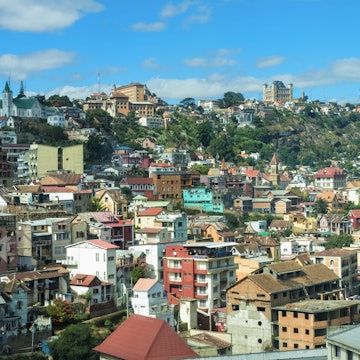 destinationAntananarivo
 -
 destinationNosy Be
Advertisement