Laos
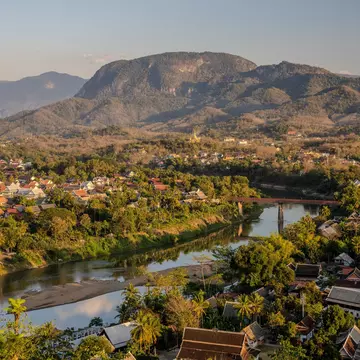
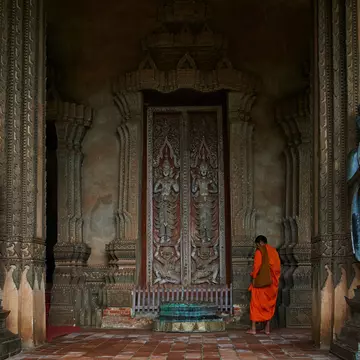
Vivid nature, voluptuous landscapes and a vibrant culture collide with a painful past and optimistic future to make Laos an enigmatic experience for the adventurous.
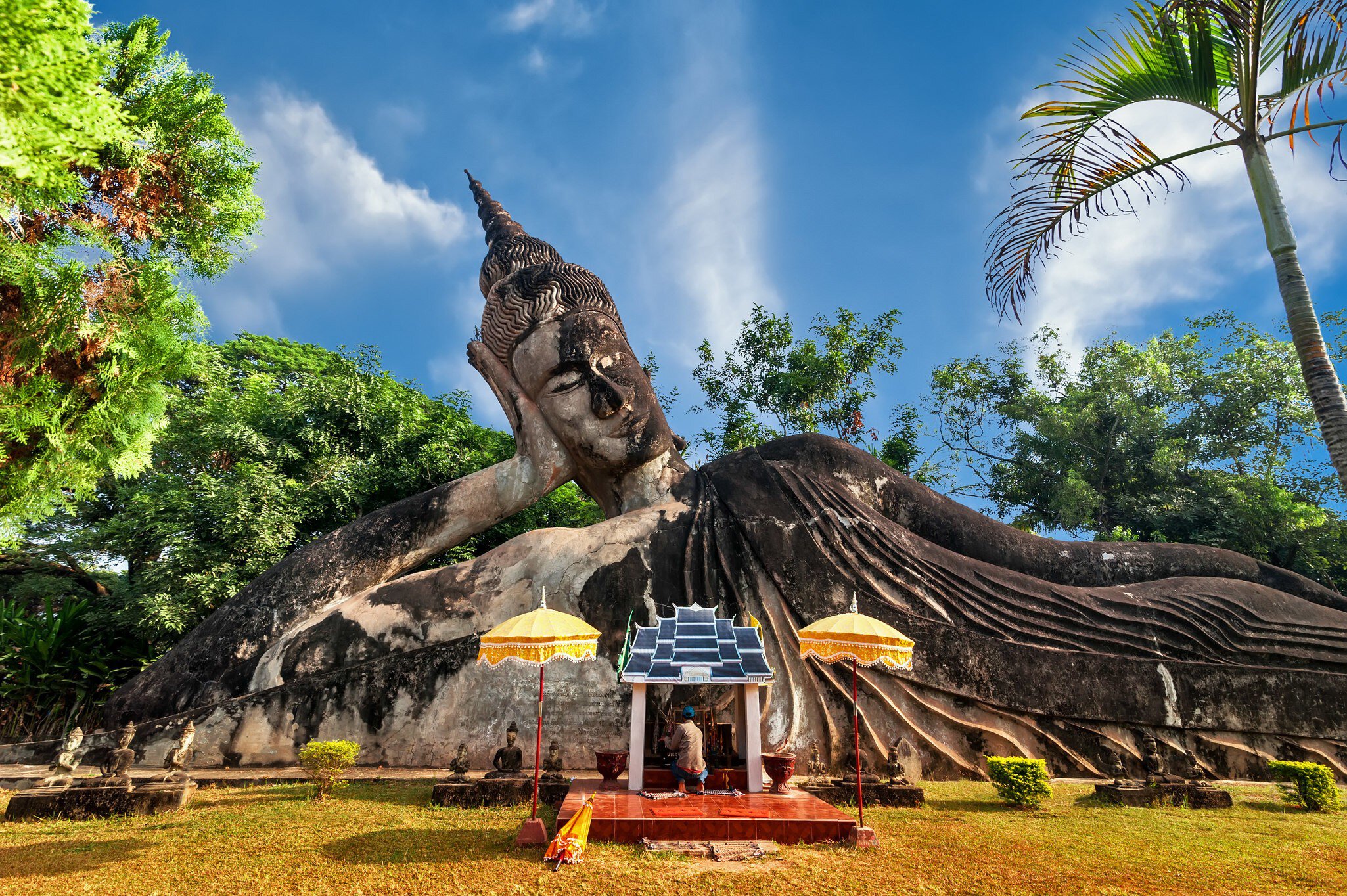
©Perfect Lazybones/Shutterstock
Latest Stories
- Kylie McLaughlin | Jul 14, 2026The Ultimate Week in Laos
- James Pham | Mar 26, 2026The Ultimate Weekend in Luang Prabang, Laos
- Cindy Fan | Dec 6, 202510 of the Best Things to Do in Luang Prabang, Laos
- Aydan Stuart | Sep 18, 2025A Guide to Laos, One of Southeast Asia's Less-Traveled Nations
Book


Trusted Partner
Dreaming of Laos? Protect your trip
Travel with confidence. Protect your trip and your wallet.
We don’t represent World Nomads, we receive a fee from quotes using this link. This is not a recommendation to buy travel insurance.
Top places to visit in Laos
Discover the best attractions in Laos from must-see sights to unexpected hidden gems.
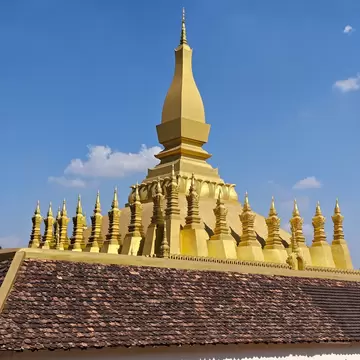
- Attraction in VientianePha That Luang
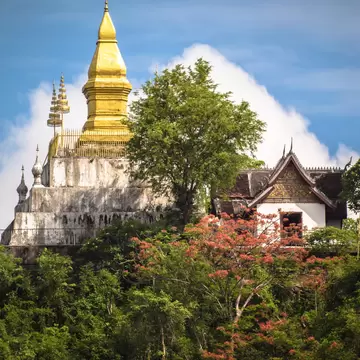
- Attraction in Luang PrabangPhou Si Hill
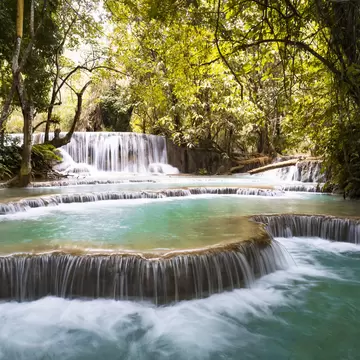
- Attraction in LaosTat Kuang Si
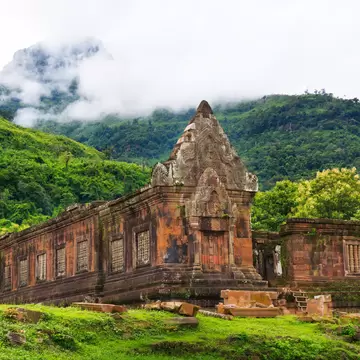
- Attraction in LaosWat Phu Champasak
-
 Attraction in LaosJar Site 1
 - Attraction in LaosVieng Xai Caves
- Attraction in Luang PrabangRoyal Palace
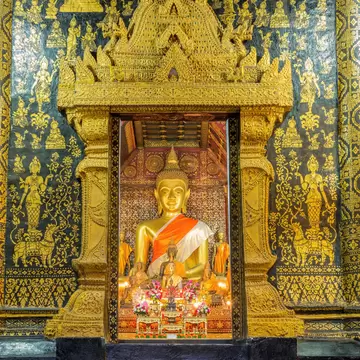
- Attraction in Luang PrabangWat Xieng Thong

Travel Guides
Laos travel tips from Lonely Planet experts
Find practical guidance from our team of contributors around the world who bring their decades of first-hand travel experience to your next trip.
Best Things to Do
Feel a connection with laid-back Luang Prabang with these top sustainable experiences.
Read full article
Best Places to Visit
Laos offers gorgeous natural beauty, rich off-the-beaten track experiences and an intriguing culture. Here are 10 of the best places to check out.
Read full article
Get a book. Get inspired. Get exploring.

Laos and beyond
- destinationLuang Prabang
- destinationVientiane