Tokyo
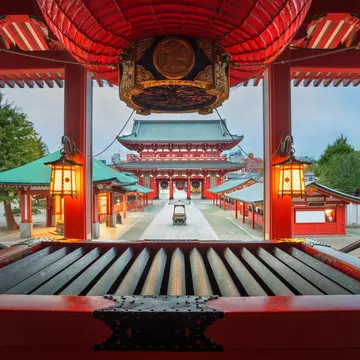
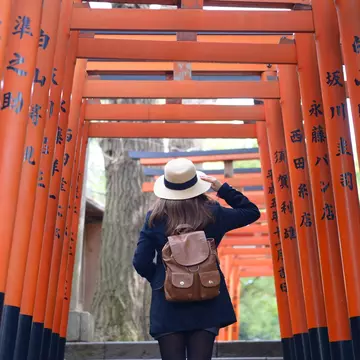
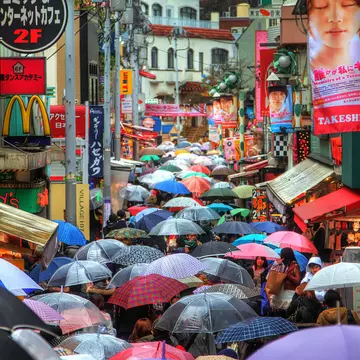
Yoking past and future, Tokyo dazzles with its traditional culture and passion for everything new, from contrasting architecture to a dynamic arts scene to phenomenal dining throughout.
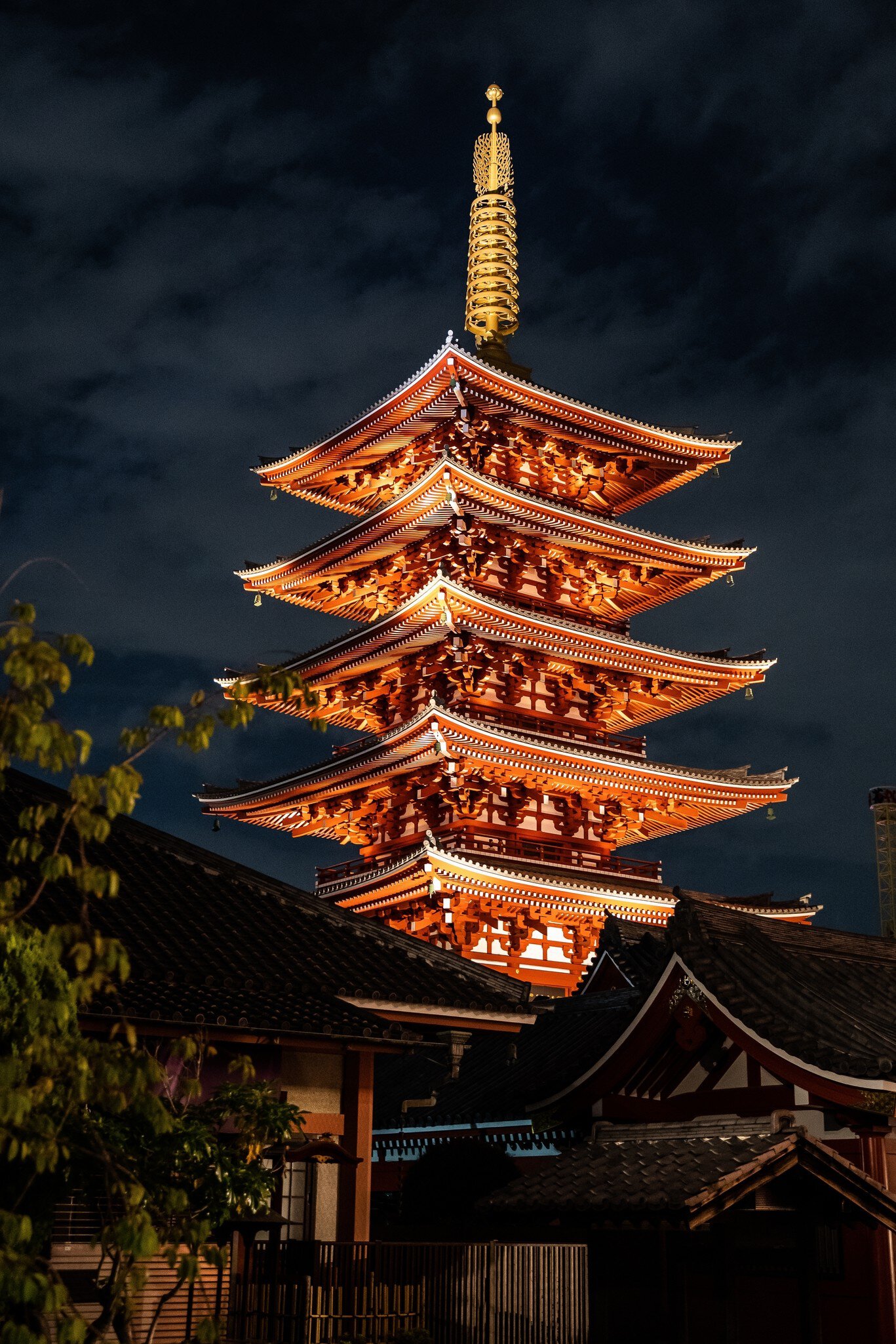
Freddy Florent/Shutterstock
Latest Stories
- Lonely Planet Editors | Sep 1, 2026Where to Stay in Tokyo: Best Areas and Hotels
- Rob Goss | Aug 3, 202618 Things to Know Before Visiting Tokyo
- Simon Richmond | Jun 24, 202618 Fabulous Free Things to Do in Tokyo
- Rebecca Milner | Jun 19, 20269 Unique Places to Stay in Tokyo
Book
Trip 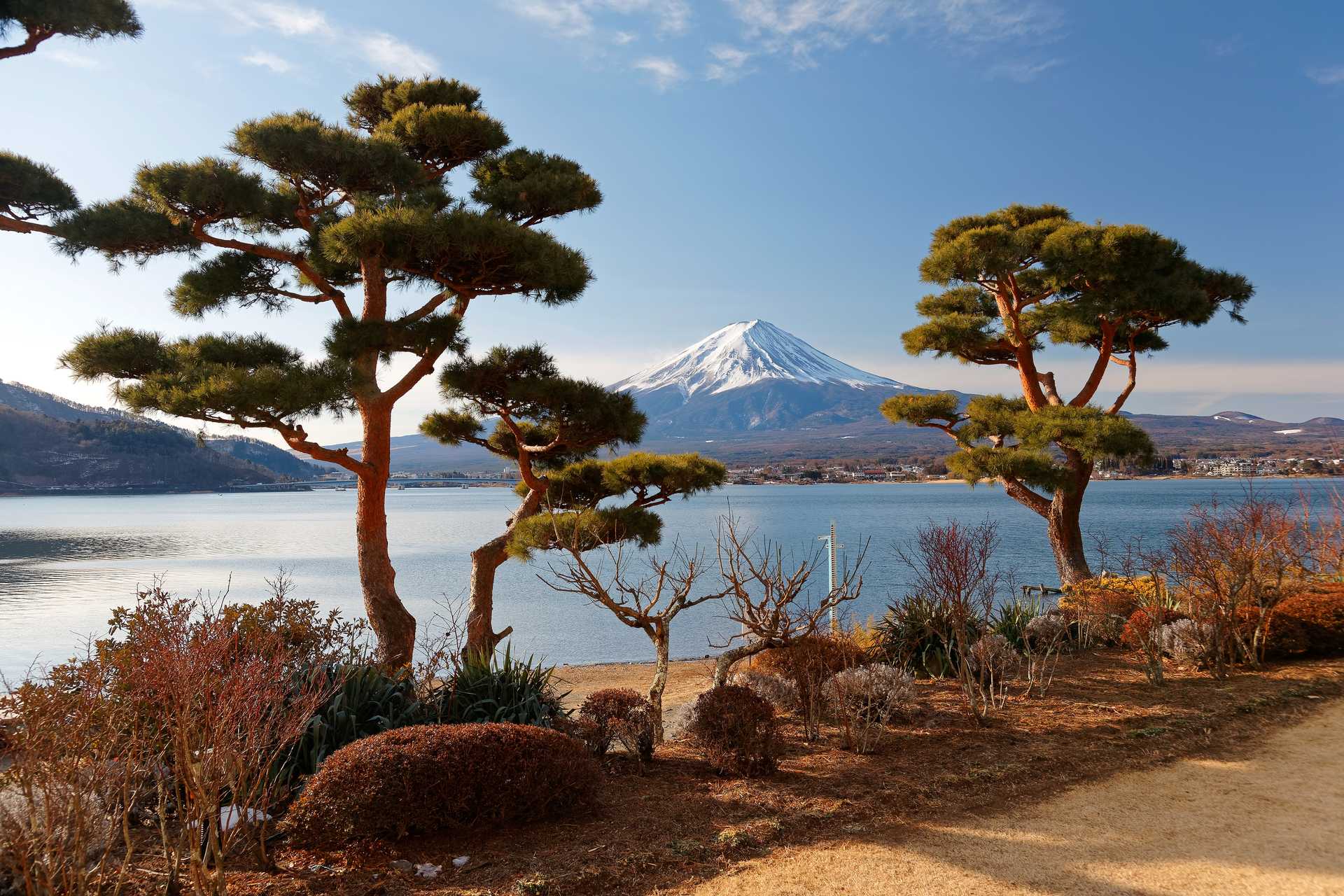
14 days / 13 nights
Japan: Japan’s Golden Route: Tokyo, Kanazawa, Kyoto, and Fuji in 14 Days

Trusted Partner
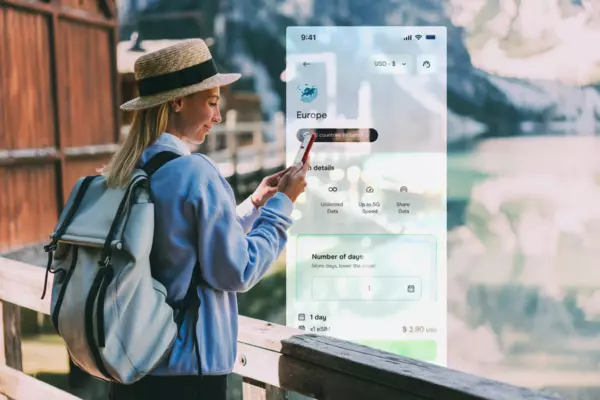
Stay connected in Tokyo
Holafly eSIM provides unlimited mobile data with no hidden fees, giving you peace of mind wherever you travel. Stay connected even after your plan ends with Always On. Use code LONELYPLANET for an exclusive discount.
Lonely Planet may earn a commission from affiliate links on our site. All recommendations and reviews reflect our own independent opinions.
Book your Japan trip with Lonely Planet Journeys
See Japan how it's meant to be seen
Planned by local experts and tailored to you, Lonely Planet Journeys handles the logistics so you can just enjoy the trip. Tell us what you want and we'll build your Japan itinerary from scratch, or browse our bookable trips to get inspired.


Top places to visit in Tokyo
Discover the best attractions in Tokyo from must-see sights to unexpected hidden gems.
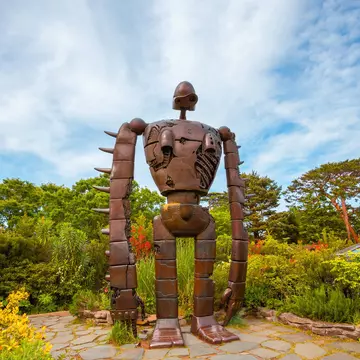
- Attraction in TokyoGhibli Museum, Mitaka
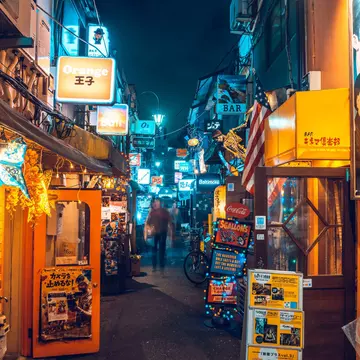
- Attraction in Shinjuku & Northwest TokyoGolden Gai
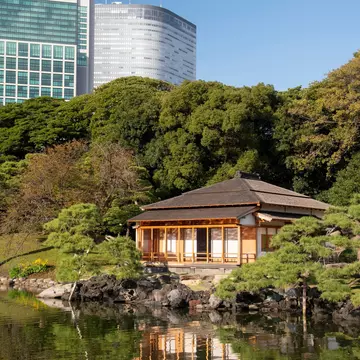
- Attraction in Ginza & TsukijiHama-Rikyū Onshi-Teien
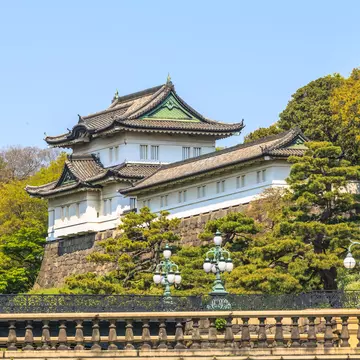
- Attraction in TokyoImperial Palace
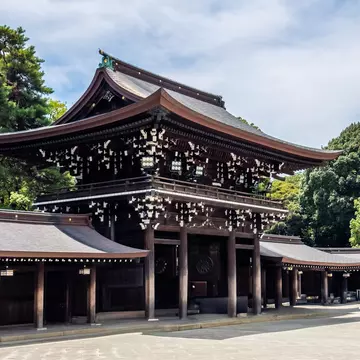
- Attraction in Harajuku & AoyamaMeiji-Jingū
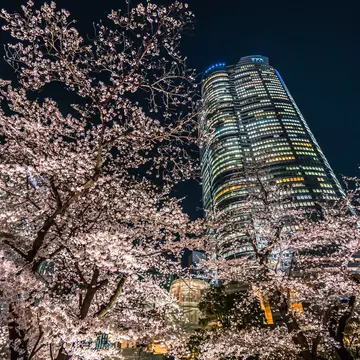
- Attraction in Roppongi, Akasaka & AroundRoppongi Hills
-
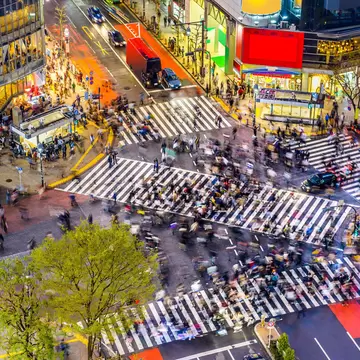
- Attraction in Shibuya & Shimo-KitazawaShibuya Crossing
Travel Guides
Tokyo travel tips from Lonely Planet experts
Find practical guidance from our team of contributors around the world who bring their decades of first-hand travel experience to your next trip.
Best Things to Do
From touring the Ghibli Museum to dining on top Japanese cuisine, here's our pick of the best experiences in Tokyo.
Read full article
Best Time to Visit
Whether you are drawn here by spring cherry blossom, summer festivals, fall foliage or snowy views in winter, here are the best times to visit Tokyo.
Read full article
Things to Know
Avoid common pitfalls and respect local customs with these insider tips for visiting Tokyo.
Read full article
Transportation
Learn how to get around Tokyo using trains, subways, buses, taxis, bikes and boats, with practical tips for passes, routes and accessibility.
Read full article
Free Things to Do
Discover exciting free things to do all over Tokyo, from temples and gardens to sumo practices, markets and skyline views.
Read full article
Best Neighborhoods
The scale of Tokyo can feel overwhelming to visitors. Plan your time with this neighborhood guide.
Read full article
Day Trips
Discover islands, glorious temples, hikes and hot springs, all within a 2-hour train ride of Tokyo.
Read full article
Money and Costs
Okay, so Tokyo is expensive, but you don't need to max out your credit card to enjoy it. Here are the best ways to explore Tokyo on a budget.
Read full article
Traveling with Kids
Crowded, colorful and charismatic: Tokyo is great fun to visit with kids. Here’s a full guide to activities and neighborhoods for families.
Read full article
Get a book. Get inspired. Get exploring.


in partnership with getyourguide
Book popular activities in Tokyo
Lonely Planet may earn a commission from affiliate links on our site. All recommendations and reviews reflect our own independent opinions.
Tokyo and beyond
- destinationAsakusa & Sumida River
-
 destinationRoppongi, Akasaka & Around
 - destinationGinza & Tsukiji
- destinationKōrakuen & Akihabara
- destinationUeno & Yanesen
- destinationShibuya & Shimo-Kitazawa
- destinationShinjuku & Northwest Tokyo
- destinationHarajuku & Aoyama