
Advertisement
Trento
The capital of Trentino is quietly confident and easy to like. Bicycles glide along spotless streets fanning out from the atmospheric, intimate Piazza del Duomo, students clink spritzes by Renaissance fountains, and a dozen historical eras intermingle seamlessly among stone castles, shady porticoes and the city's signature medieval frescoes. While there's no doubt you're in Italy, Trento does have its share of Austrian influence: apple strudel is ubiquitous and beer halls not uncommon.

Getty Images/DeAgostini

Trusted Partner
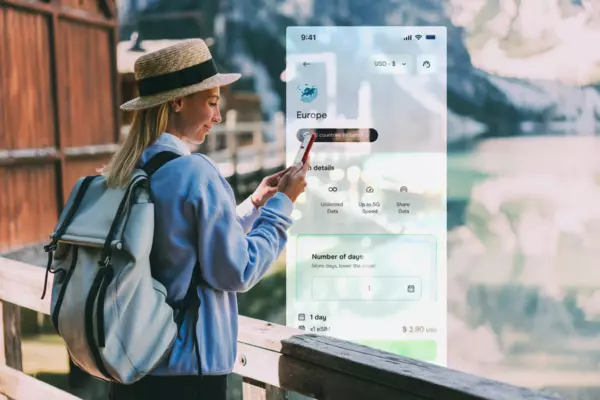
Stay connected in Trento
Holafly eSIM provides unlimited mobile data with no hidden fees, giving you peace of mind wherever you travel. Stay connected even after your plan ends with Always On. Use code LONELYPLANET for an exclusive discount.
Take your Italy trip with Lonely Planet Journeys
Time to book that trip to Italy
Lonely Planet Journeys takes you there with fully customizable trips to top destinations – all crafted by our local experts.

Top places to visit in Trento
Discover the best attractions in Trento from must-see sights to unexpected hidden gems.
-
 Attraction in TrentoCastello del Buonconsiglio
 -
-
- Attraction in TrentoMuseo Diocesano Tridentino
- Attraction in TrentoPiazza del Duomo
- Attraction in TrentoTridentum Spazio Archeologico Sotterraneo del SAS
- Attraction in TrentoVilla Margon
- Attraction in TrentoGiardino Botanico Alpino
Advertisement
Advertisement
Get a book. Get inspired. Get exploring.


in partnership with getyourguide
Book popular activities in Trento
Advertisement