
Advertisement
Sicily
Eternal crossroads of the Mediterranean, the gorgeous island of Sicily continues to seduce travellers with its dazzling diversity of landscapes and cultural treasures.

© Maremagnum / Getty Images
Latest Stories
- Jamie Ditaranto|Jun 15, 2026The best road trips in Sicily
- Nicola Williams|Feb 22, 2026What to know before hiking Mt Etna
- Jamie Ditaranto|Feb 20, 2026How to explore Sicily on a budget (and still see the sights)
- Nicola Williams|Feb 9, 2026Explore Sicily: 3 of the island's best itineraries
Book
Trip 

Trusted Partner
Stay connected in Sicily
Holafly eSIM provides unlimited mobile data with no hidden fees, giving you peace of mind wherever you travel. Stay connected even after your plan ends with Always On. Use code LONELYPLANET for an exclusive discount.
Take your Sicily trip with Lonely Planet Journeys
Pick one of our ready-to-book trips or fully customize your own with help from our local experts.
bookable trip
11 Days in Sicily: Taormina, Syracuse and Palermo
11 days / 10 nights
highlights
- 1 Visiting Taormina’s Greek Theater to imagine the sights and sounds of Hellenistic Sicily
- 2 Walking along Mount Etna’s volcanic terrain and scenic craters
- 3 Cruising to Sicily’s Egadi Islands on a Favignana and Levanzo Boat Tour
from $4,950
per person


Explore more trips
Explore more trips
-
 Italy
Italy
Italy
Top places to visit in Sicily
Discover the best attractions in Sicily from must-see sights to unexpected hidden gems.
-
 Attraction in AgrigentoGiardino della Kolymbetra
 -
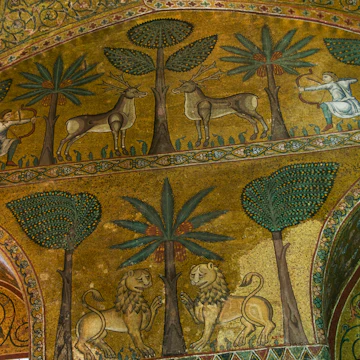 Attraction in PalermoPalazzo dei Normanni
 -
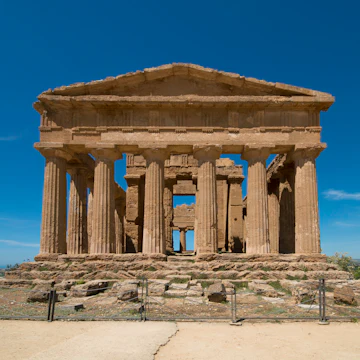 Attraction in AgrigentoMuseo Archeologico
 -
 Attraction in PalermoCappella Palatina
 -
 Attraction in AgrigentoTempio della Concordia
 -
 Attraction in AgrigentoValley of the Temples
 -
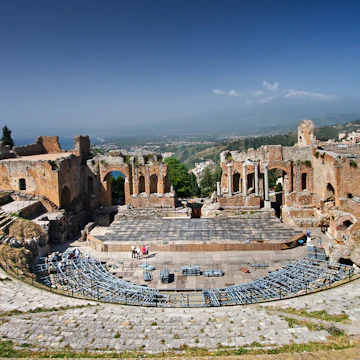 Attraction in TaorminaTeatro Greco
 - Attraction in NotoPalazzo Nicolaci di Villadorata
Advertisement
Travel Guides
Sicily travel tips from Lonely Planet experts
Find practical guidance from our team of contributors around the world who bring their decades of first-hand travel experience to your next trip.
Best Things to Do
Here's how to experience the best of Sicily when traveling as a family.
Read full article
Best Time to Visit
Summer is the most popular time to visit Sicily, but there's plenty happening through the rest of the year too.
Read full article
Things to Know
Sicily is one of the most beautiful places in Italy, but the island has its own distinct culture. Here’s what you need to know before your trip.
Read full article
Transportation
From renting a car to town and island hopping by bus, ferry or rail, here’s all you need to know about how to get around Sicily.
Read full article
Free Things to Do
With its historic churches, gorgeous art, dreamy beaches and urban tableaux, Sicily brims with free experiences. These are 12 of the best ones.
Read full article
Best Road Trips
Charming seaside villages, beautiful baroque towns, plus Greek and Roman ruins all await you on the best road trips in Sicily.
Read full article
Money and Costs
Sicily can seem like an expensive destination at first but these budget travel tips and daily costs will help you plan a trip that doesn’t break the bank.
Read full article
Best Places to Visit
Pick the right island for you, or visit them all, with our guide to the Aeolian archipelago near Sicily.
Read full article
Advertisement
Get a book. Get inspired. Get exploring.


in partnership with getyourguide
Book popular activities in Sicily
Sicily and beyond



Advertisement