
Mantua
Sharing more in common with Ferrara in Romagna than its Lombard cohorts, Mantua (Mantova) is a city protected by lakes, anchored by Unesco-listed Renaissance architecture and coloured by a history that resounds to the daring, sometimes despotic deeds of one family: the House of Gonzaga. Reigning for 400 years from the early 14th to 18th centuries, the Gonzaga made Mantua a centre of the Renaissance, commissioned several massive palaces, and cemented power by intermarrying with the powerful d’Este clan of Ferrara. Much of the city today was built in their image.
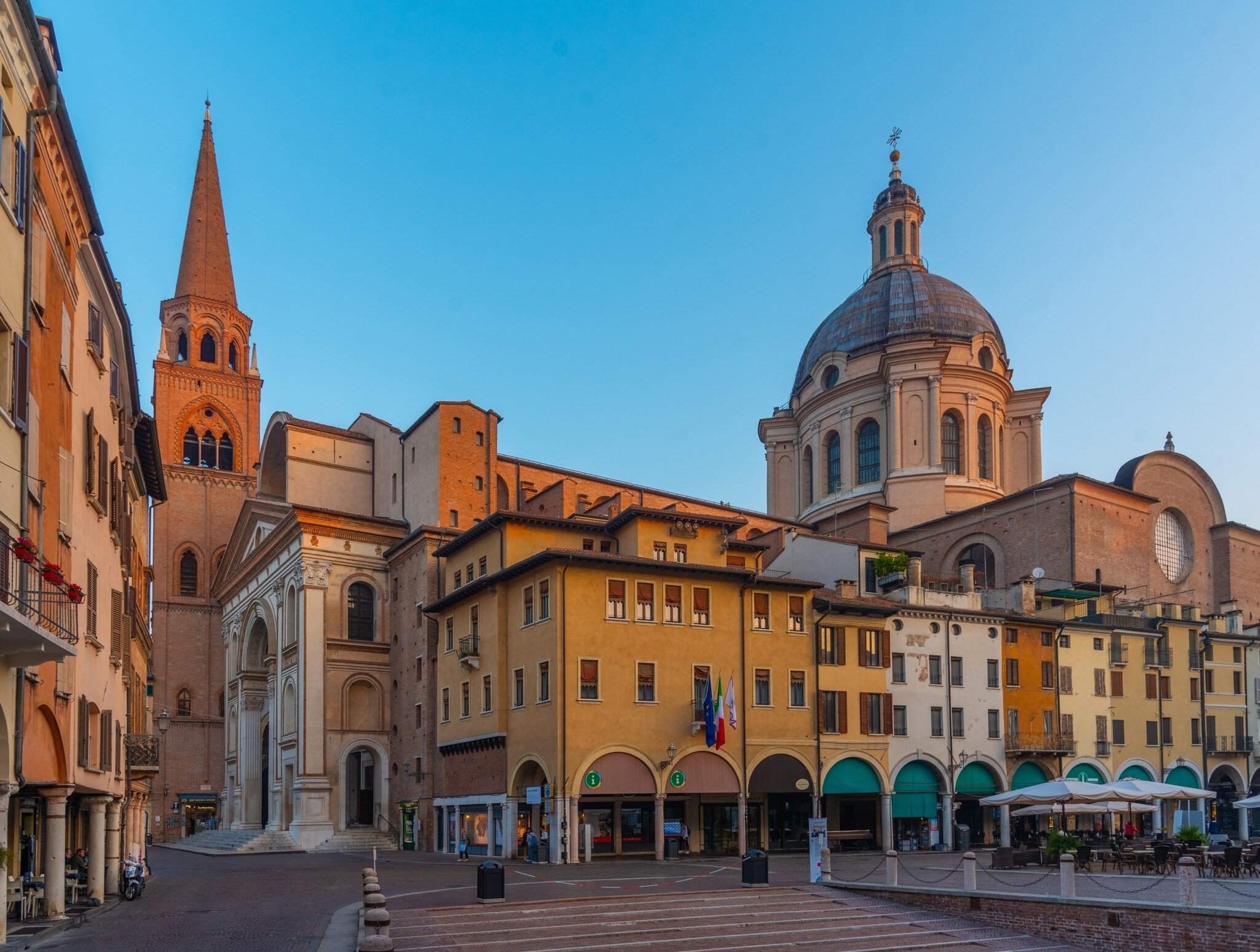
trabantos/Shutterstock
Book
App

Book your Italy trip with Lonely Planet Journeys
See Italy how it's meant to be seen
Accommodations, activities and ground transportation all taken care of, so you can focus on the fun part. Tell us what your dream trip to Italy looks like, and our local experts will build it from scratch. Or start with one of our itineraries and make it your own.

Top places to visit in Mantua
Discover the best attractions in Mantua from must-see sights to unexpected hidden gems.
-
 Attraction in MantuaBasilica di Sant'Andrea
 - Attraction in MantuaPalazzo Ducale
- Attraction in MantuaPalazzo Te
- Attraction in MantuaPiazza Broletto
- Attraction in MantuaPiazza Sordello
- Attraction in MantuaRotonda di San Lorenzo
- Attraction in MantuaPalazzo del Podestà
- Attraction in MantuaPiazza delle Erbe
Get a book. Get inspired. Get exploring.


in partnership with getyourguide
Book popular activities in Mantua
Lonely Planet may earn a commission from affiliate links on our site. All recommendations and reviews reflect our own independent opinions.