Italy
Home to many of the world's greatest works of art, architecture and gastronomy, Italy elates, inspires and moves like no other.
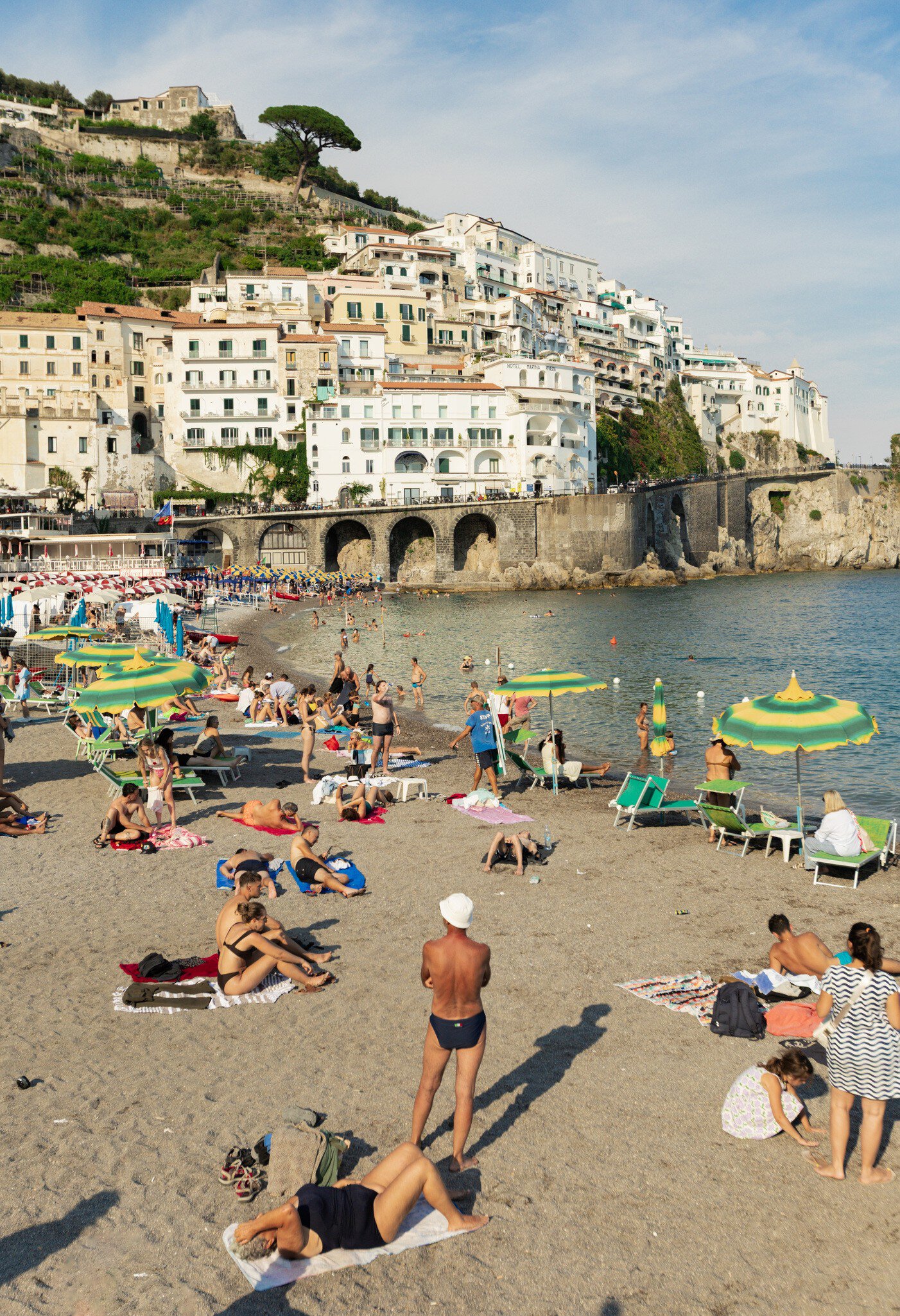
Alexis Doyle for Lonely Planet
Latest Stories
- Brekke Fletcher | Sep 21, 2026A Life-Affirming Sailing Itinerary in Sicily's Aeolian Islands
- Tasmin Waby | Jul 23, 2026How to Spend the Ultimate Long Weekend in Verona, Italy
- Eva Sandoval | Jul 20, 2026How to Hike the Path of the Gods on Italy's Amalfi Coast
- Virginia DiGaetano | Jun 10, 2026The 11 Best Day Trips from Rome
Book
Trip 

Trusted Partner
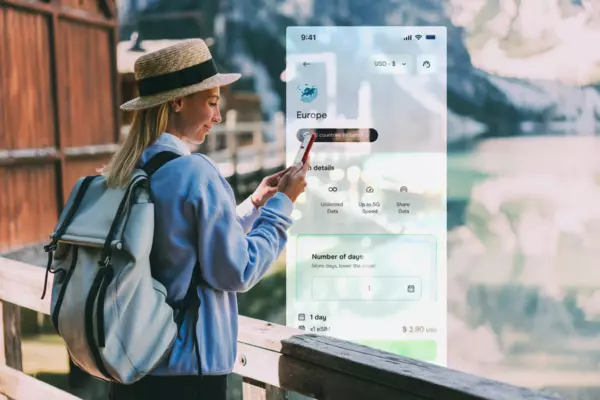
Stay connected in Italy
Holafly eSIM provides unlimited mobile data with no hidden fees, giving you peace of mind wherever you travel. Stay connected even after your plan ends with Always On. Use code LONELYPLANET for an exclusive discount.
Lonely Planet may earn a commission from affiliate links on our site. All recommendations and reviews reflect our own independent opinions.
Book your Italy trip with Lonely Planet Journeys
See Italy how it's meant to be seen
Planned by local experts and tailored to you, Lonely Planet Journeys handles the logistics so you can just enjoy the trip. Tell us what you want and we'll build your Italy itinerary from scratch, or browse our bookable trips to get inspired.


Top places to visit in Italy
Discover the best attractions in Italy from must-see sights to unexpected hidden gems.
-
 Attraction in ItalyNuraghe Arrubiu
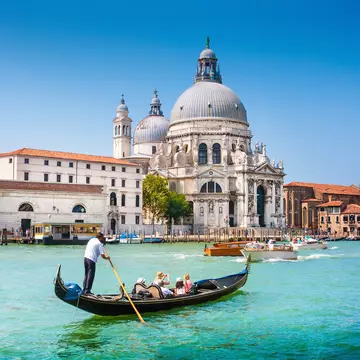
 - Attraction in VeniceBasilica di Santa Maria della Salute
- Attraction in Monti, Esquilino & San LorenzoBasilica di Santa Maria Maggiore
- Attraction in RavennaBasilica di Sant'Apollinare Nuovo
- Attraction in RavennaBasilica di San Vitale
- Attraction in NaplesCappella Sansevero
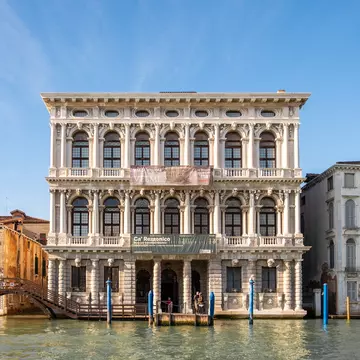
- Attraction in VeniceCa' Rezzonico
- Attraction in ItalyCattedrale di Monreale




Travel Guides
Italy travel tips from Lonely Planet experts
Find practical guidance from our team of contributors around the world who bring their decades of first-hand travel experience to your next trip.
Best Things to Do
Italy has so many delights for visitors, it’s hard to know where to start. Lucky for you, we’ve made this list of the best things to do across the country.
Read full article
Best Time to Visit
Plan the perfect time for your visit to Italy with this guide to weather, crowds, prices and events through the year.
Read full article
Things to Know
Immerse yourself in local culture to get the most out of your next trip to Italy.
Read full article
Transportation
Your guide to traveling independently around Italy, from the Alps to the islands.
Read full article
Best Road Trips
Whether you're cruising the Amalfi Coast or driving through the Tuscan countryside, these scenic road trips will help you see the best of Italy.
Read full article
Money and Costs
These top budget tips can help you save money while exploring Italy.
Read full article
Traveling with Kids
Experience the best of Italy as a family with this guide to the top things to do there with kids.
Read full article
Best Places to Visit
Treviso instead of Venice? Lerici instead of Cinque Terre? Explore these neighboring cities that take their own twist on Italy's most popular destinations.
Read full article
Get Connected
Everyone should experience Italy's lavish art, architecture, cuisine and life-affirming landscapes. Here's what you need to know about getting connected.
Read full article
Get a book. Get inspired. Get exploring.


in partnership with getyourguide
Book popular activities in Italy
Lonely Planet may earn a commission from affiliate links on our site. All recommendations and reviews reflect our own independent opinions.
Italy and beyond
-
 destinationSouthern Italy
 - destinationTuscany
- destinationSicily
- destinationThe Italian Lakes
- destinationSardinia
- destinationRome
- destinationCampania
- destinationVenice