Ireland
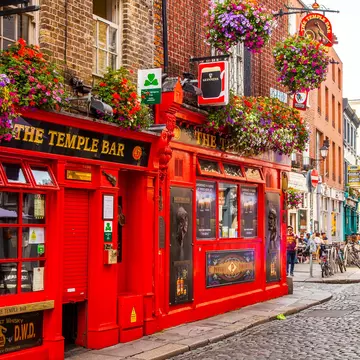
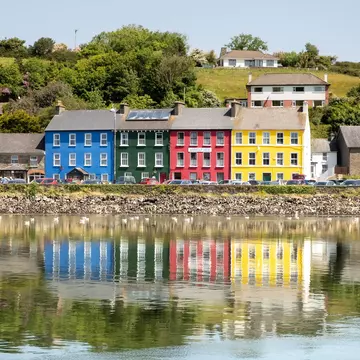
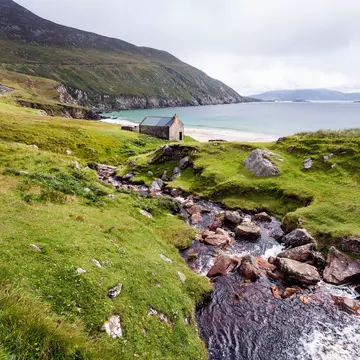
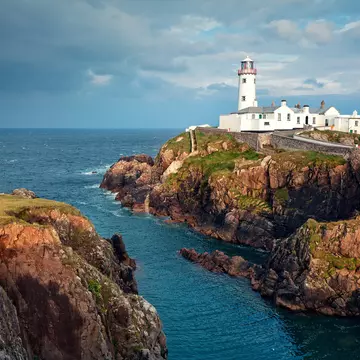
A small island with a memorable punch, Ireland's breathtaking landscapes and friendly, welcoming people leave visitors floored. You'll want to go back for more.
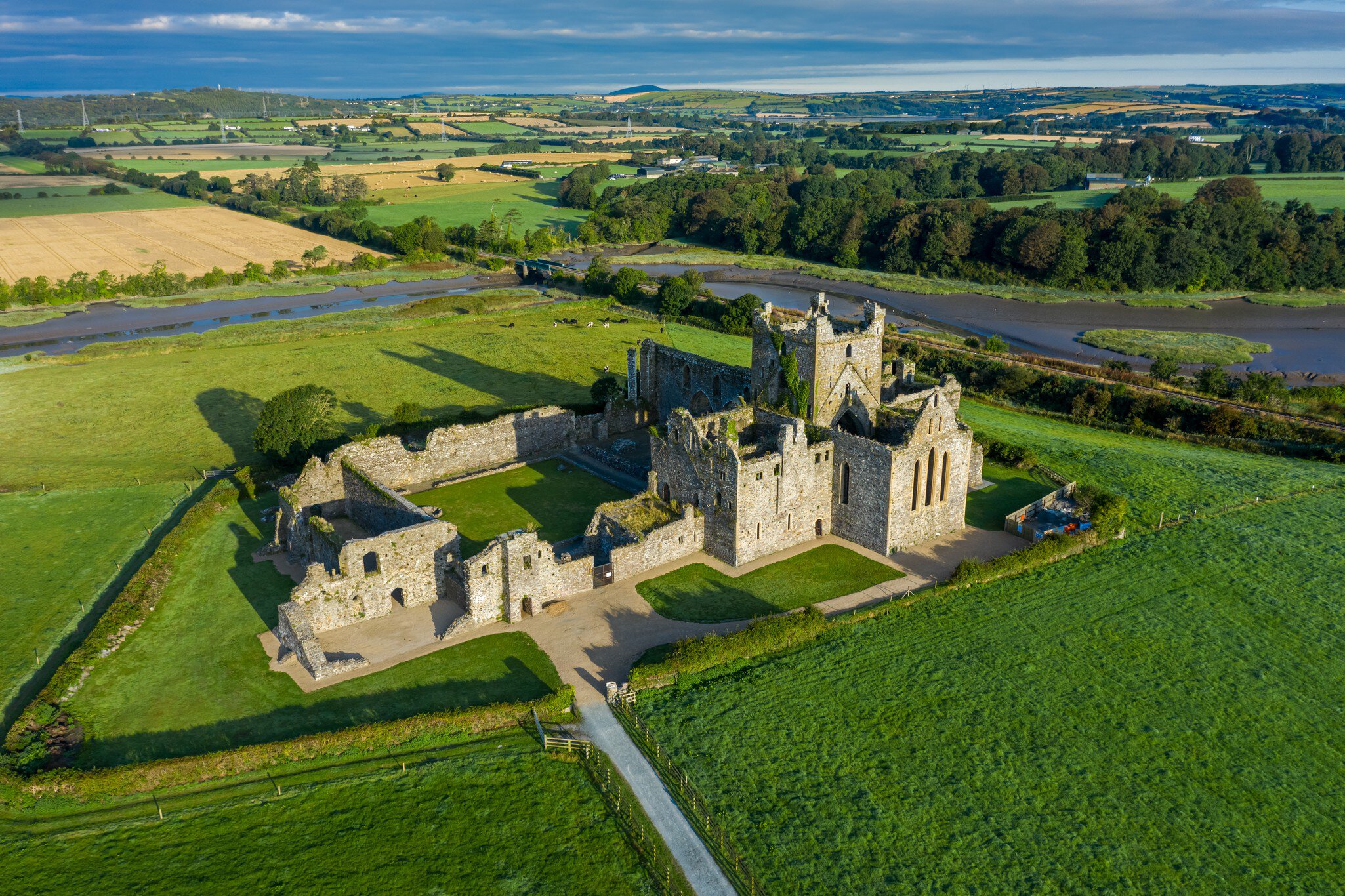
Irish Drone Photography/Shutterstock
Latest Stories
- Fionn Davenport | Jul 30, 2026The 12 Best Beaches in Ireland for Every Season
- Kathy Donaghy | May 26, 2026What to Eat and Drink in Ireland
- Lonely Planet Editors | Apr 28, 2026Ireland's 7 National Parks: Experience the Best of the Outdoors
- AnneMarie McCarthy | Apr 22, 20269 dos and Don’ts When Traveling in Ireland
Book
Trip 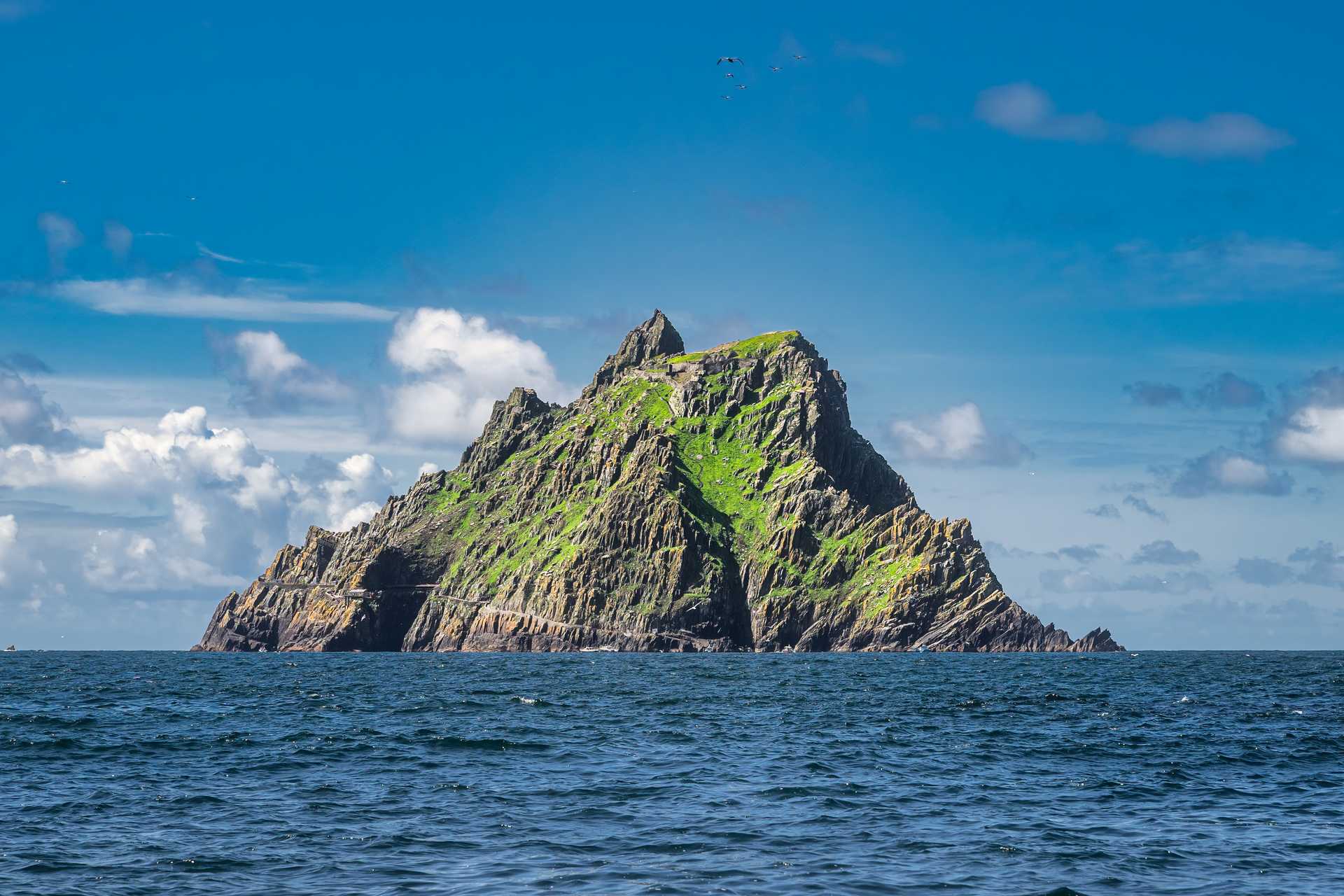
App

Trusted Partner
Dreaming of Ireland? Protect your trip
Travel with confidence. Protect your trip and your wallet.
We don’t represent World Nomads, we receive a fee from quotes using this link. This is not a recommendation to buy travel insurance.
Book your Ireland trip with Lonely Planet Journeys
See Ireland how it's meant to be seen
Accommodations, activities and ground transportation all taken care of, so you can focus on the fun part. Tell us what your dream trip to Ireland looks like, and our local experts will build it from scratch. Or start with one of our itineraries and make it your own.
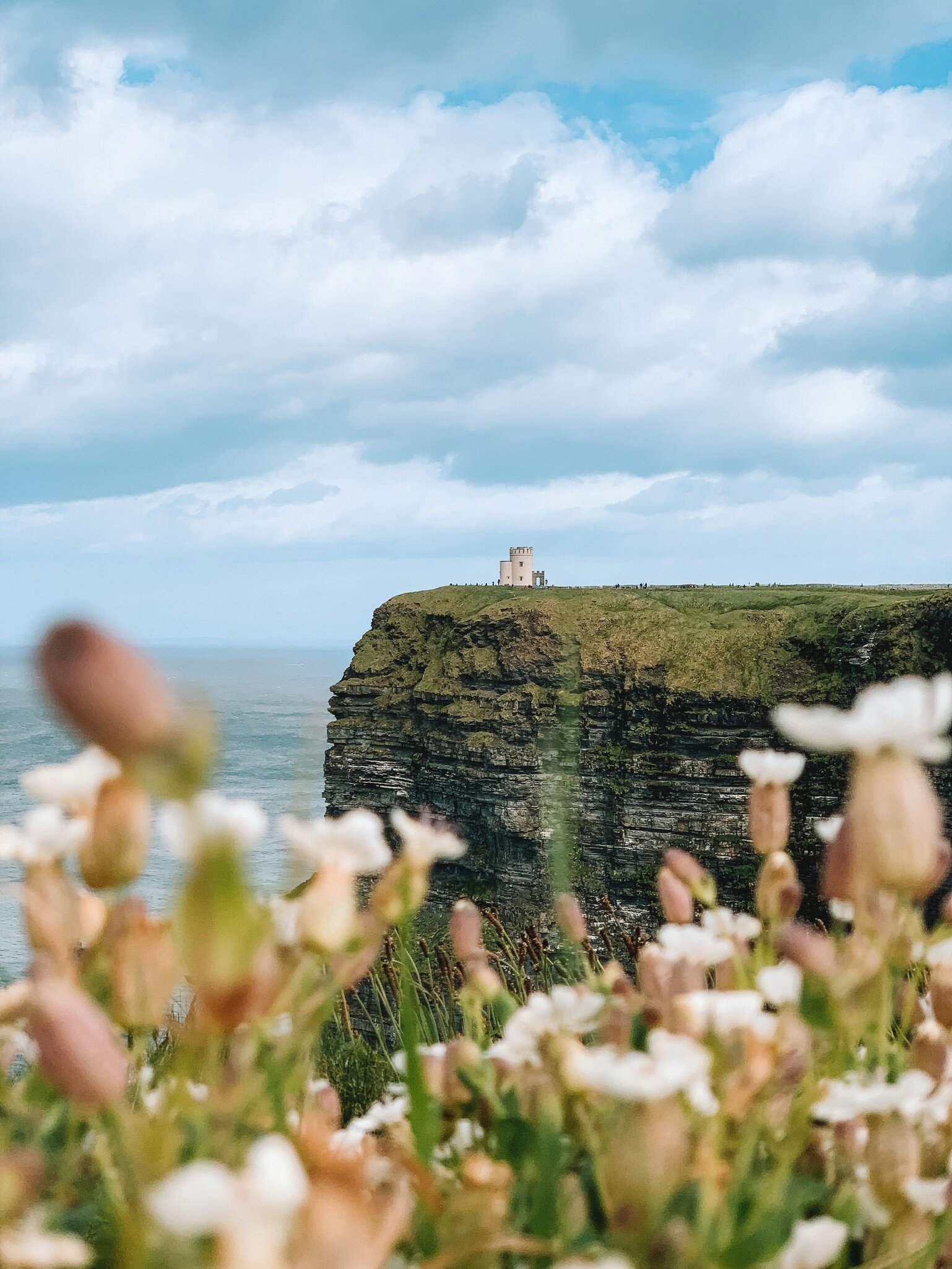

Top places to visit in Ireland
Discover the best attractions in Ireland from must-see sights to unexpected hidden gems.
- Attraction in DublinNational Gallery
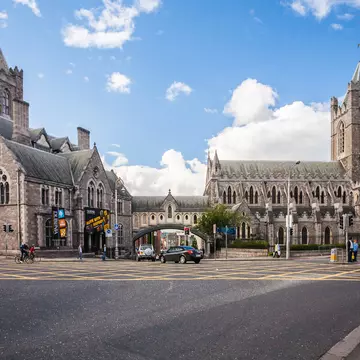
- Attraction in Temple BarChrist Church Cathedral
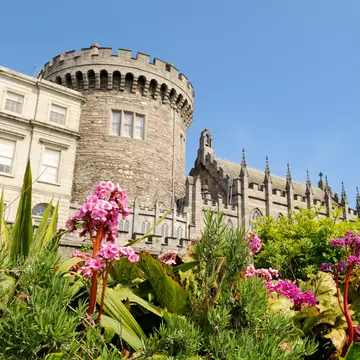
- Attraction in DublinDublin Castle
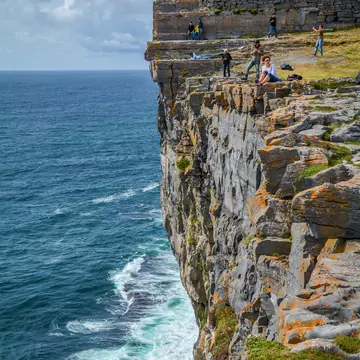
- Attraction in County GalwayDún Aonghasa
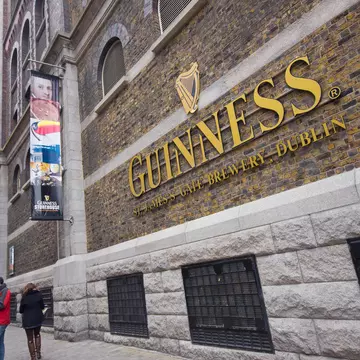
- Attraction in DublinGuinness Storehouse
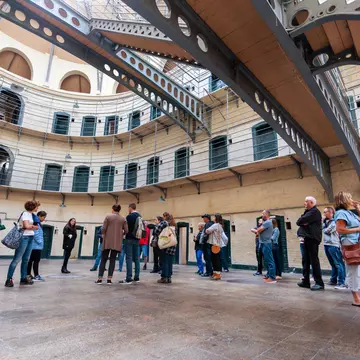
- Attraction in DublinKilmainham Gaol
- Attraction in DublinOld Library & Book of Kells
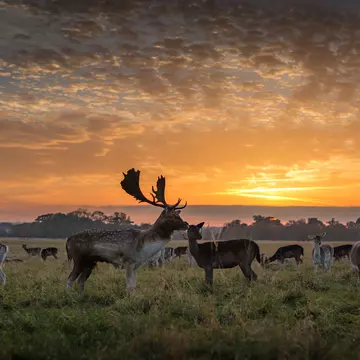
- Attraction in DublinPhoenix Park

Travel Guides
Ireland travel tips from Lonely Planet experts
Find practical guidance from our team of contributors around the world who bring their decades of first-hand travel experience to your next trip.
Best Things to Do
Curious travelers will find plenty to keep them busy on the Emerald Isle. Here's our hit list of the best things to do in Ireland.
Read full article
Best Time to Visit
From summer sun and fabulous festivals to off-season bargains and crowd-free attractions, here's everything you need to know about when to visit Ireland.
Read full article
Things to Know
Traveling to Ireland? From pub etiquette to public transport to what to pack, here are a few things to know before you set off.
Read full article
Transportation
Here’s our full guide to getting around ireland by car, train, bus, boat and more,
Read full article
Best Road Trips
What’s the best way to get the best of the natural beauty and famous charm of Ireland? Hit the (rural) road on these top road trips.
Read full article
Money and Costs
There are plenty of ways to make your money go further during your visit to Ireland. Read on for our local expert tips.
Read full article
Traveling with Kids
Ireland is packed with natural attractions, outdoor adventures and cultural sites perfect for a family trip.
Read full article
Best Places to Visit
These 11 beautiful destinations in Ireland help ensure a memorable visit that suits every season and mood, making the most of the small European island.
Read full article
Get a book. Get inspired. Get exploring.
in partnership with getyourguide
Book popular activities in Ireland
Lonely Planet may earn a commission from affiliate links on our site. All recommendations and reviews reflect our own independent opinions.
Ireland and beyond
- destinationDublin
- destinationTemple Bar
- destinationCounty Cork
- destinationCounties Mayo & Sligo
- destinationCounty Donegal
- destinationCounty Kerry
- destinationCounty Galway
- destinationCounty Clare