
Aran Islands
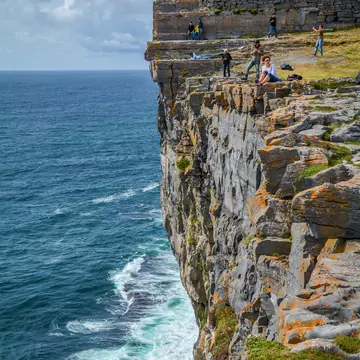
Easily visible from the coast of Counties Galway and Clare, the rocky, wind-buffeted Aran Islands have a desolate beauty that draws countless day trippers. Visitors who stay longer experience the sensation that they're far further removed from the Irish mainland than the 40-minute ferry ride or 10-minute flight would suggest.


Trusted Partner
Dreaming of Aran Islands? Protect your trip
Travel with confidence. Protect your trip and your wallet.
We don’t represent World Nomads, we receive a fee from quotes using this link. This is not a recommendation to buy travel insurance.
Book your Ireland trip with Lonely Planet Journeys
See Ireland how it's meant to be seen
Planned by local experts and tailored to you, Lonely Planet Journeys handles the logistics so you can just enjoy the trip. Tell us what you want and we'll build your Ireland itinerary from scratch, or browse our bookable trips to get inspired.


Top places to visit in Aran Islands
Discover the best attractions in Aran Islands from must-see sights to unexpected hidden gems.
- Attraction in County GalwayDún Aonghasa
-
 Attraction in County GalwayWell of Enda
 - Attraction in County GalwayO'Brien's Castle
- Attraction in County GalwaySynge's Chair
- Attraction in County GalwayTeampall Chaoimháin
- Attraction in County GalwayTeampall Chiaráin
- Attraction in County GalwayAran Goat Cheese
- Attraction in County GalwayDún Dúchathair
Get a book. Get inspired. Get exploring.
in partnership with getyourguide
Book popular activities in Aran Islands
Lonely Planet may earn a commission from affiliate links on our site. All recommendations and reviews reflect our own independent opinions.