
Lucknow
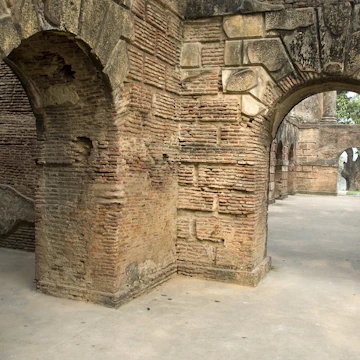
Sprinkled with Islamic and British Raj–era architecture, stuffed with fascinating bazaars and famed throughout India for its food, the capital of Uttar Pradesh is something of a sleeper: plenty worth seeing, but often overlooked by travelers. Central Lucknow features wide boulevards, epic monuments and several parks and gardens that contribute to an atmosphere of faded grandiosity.
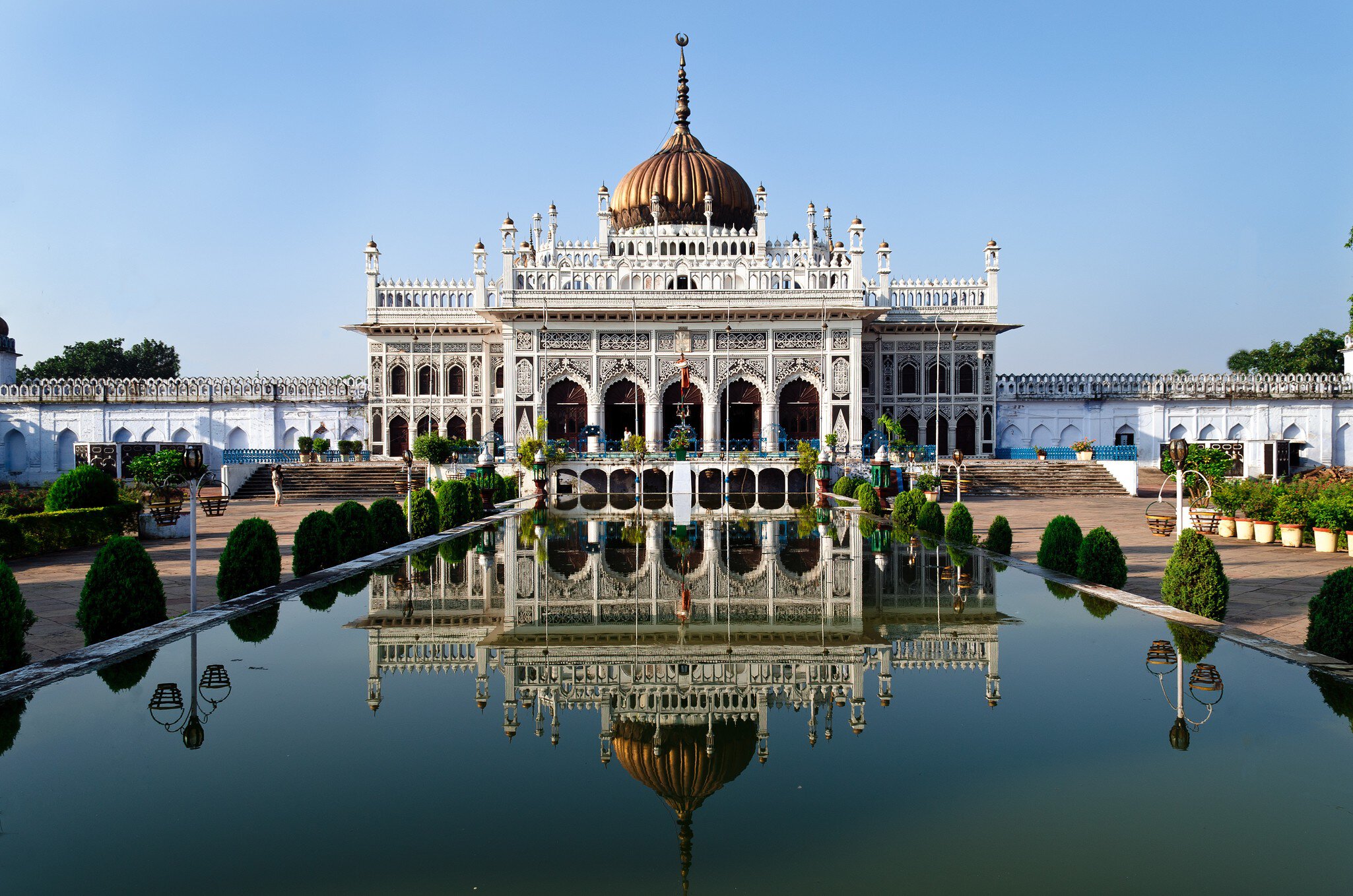
©Rajeev Gupta/500px


Trusted Partner
Dreaming of Lucknow? Protect your trip
Travel with confidence. Protect your trip and your wallet.
We don’t represent World Nomads, we receive a fee from quotes using this link. This is not a recommendation to buy travel insurance.
Book your India trip with Lonely Planet Journeys
See India how it's meant to be seen
Planned by local experts and tailored to you, Lonely Planet Journeys handles the logistics so you can just enjoy the trip. Tell us what you want and we'll build your India itinerary from scratch, or browse our bookable trips to get inspired.
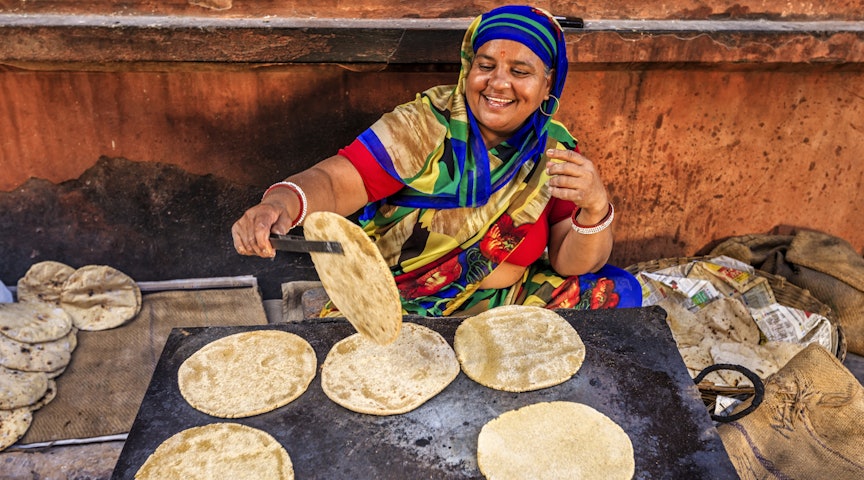

Top places to visit in Lucknow
Discover the best attractions in Lucknow from must-see sights to unexpected hidden gems.
-
 Attraction in LucknowBara Imambara
 -
 Attraction in LucknowRumi Darwaza
 - Attraction in LucknowLa Martinière School
-
- Attraction in LucknowState Museum
-
 Attraction in LucknowChota Imambara
 - Attraction in LucknowChristchurch
- Attraction in LucknowTomb of Saadat Ali Khan
Get a book. Get inspired. Get exploring.

in partnership with getyourguide
Book popular activities in Lucknow
Lonely Planet may earn a commission from affiliate links on our site. All recommendations and reviews reflect our own independent opinions.