Guatemala
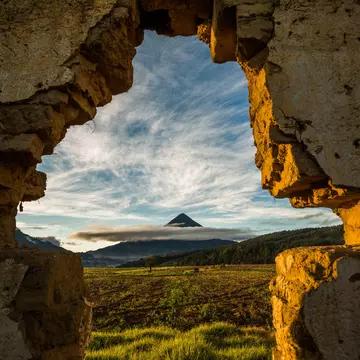
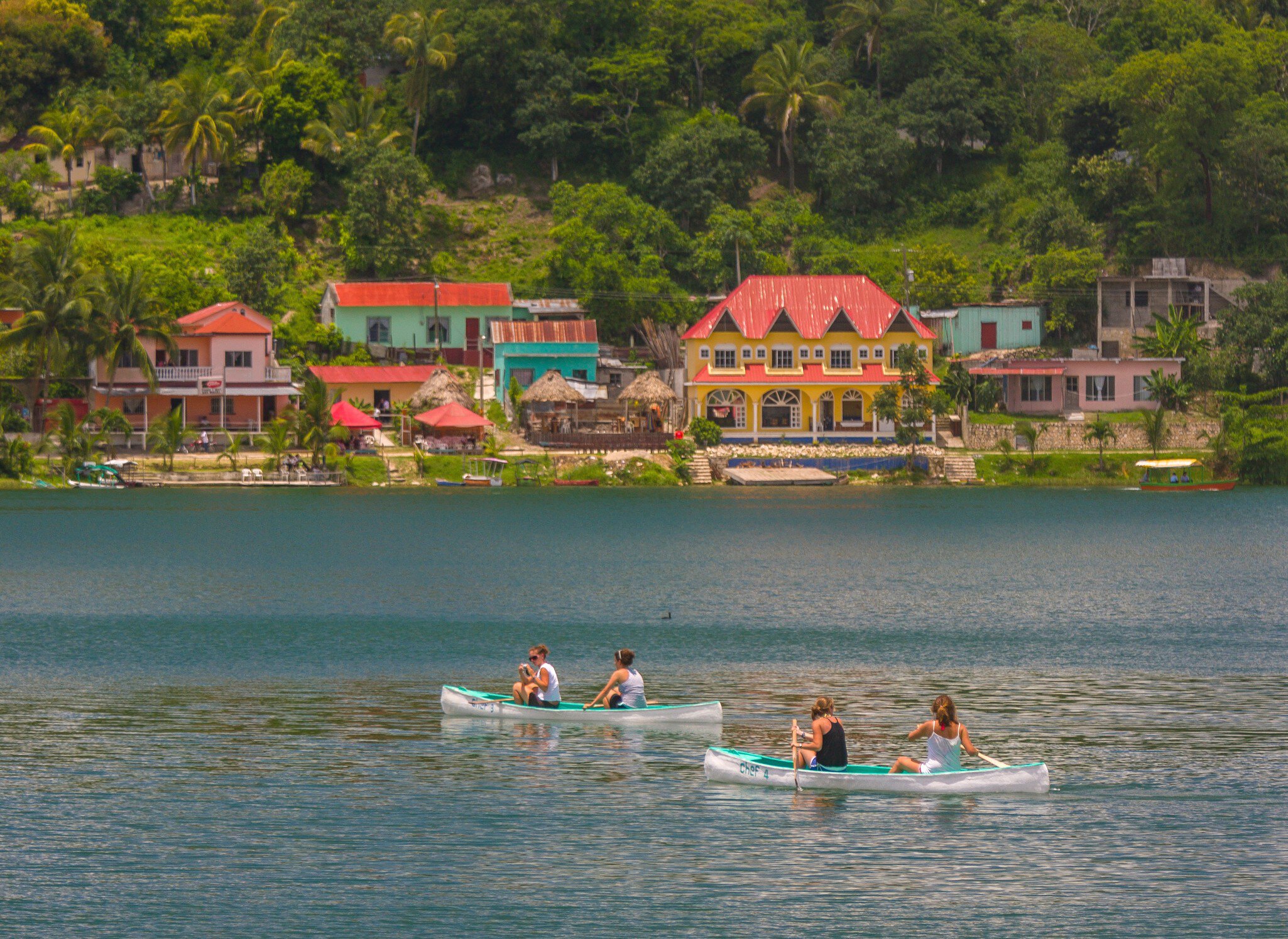
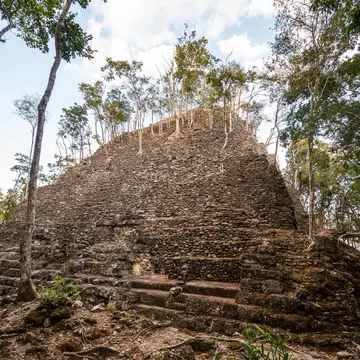
From vast jungles and lakes and beaches to nightlife filled with adventure and delightful cuisines, Guatemala is a traveler’s dream destination. Each city in this patchwork country still retains a distinct, unique flair. For those diving into Guatemala travel, the natural wonders alone will leave you overwhelmed with options. The crown jewel of the trip for many is Tikal, a lost Maya city whose mysteries even today are still being explored. Whether you’re seeking Guatemala travel inspiration for your next getaway or starting your Guatemala planning, we’ve got you covered. Discover top attractions, the best beaches, when to visit, and expert advice to help you make the most of your adventure.
© Rob Crandall / Shutterstock
Latest Stories
- Doug Murray | Dec 10, 2025The 10 best beaches in Guatemala
- Jaime Jacques | Oct 22, 2025The Best 11 Places to Visit in Guatemala
- Doug Murray | Oct 22, 2025What to Know Before Traveling to Guatemala
- Ray Bartlett | Oct 15, 2025The 13 Best Things to Do in Guatemala
Book

Book your Guatemala trip with Lonely Planet Journeys
See Guatemala how it's meant to be seen
Planned by local experts and tailored to you, Lonely Planet Journeys handles the logistics so you can just enjoy the trip. Tell us what you want and we'll build your Guatemala itinerary from scratch, or browse our bookable trips to get inspired.

Top places to visit in Guatemala
Discover the best attractions in Guatemala from must-see sights to unexpected hidden gems.
-
-
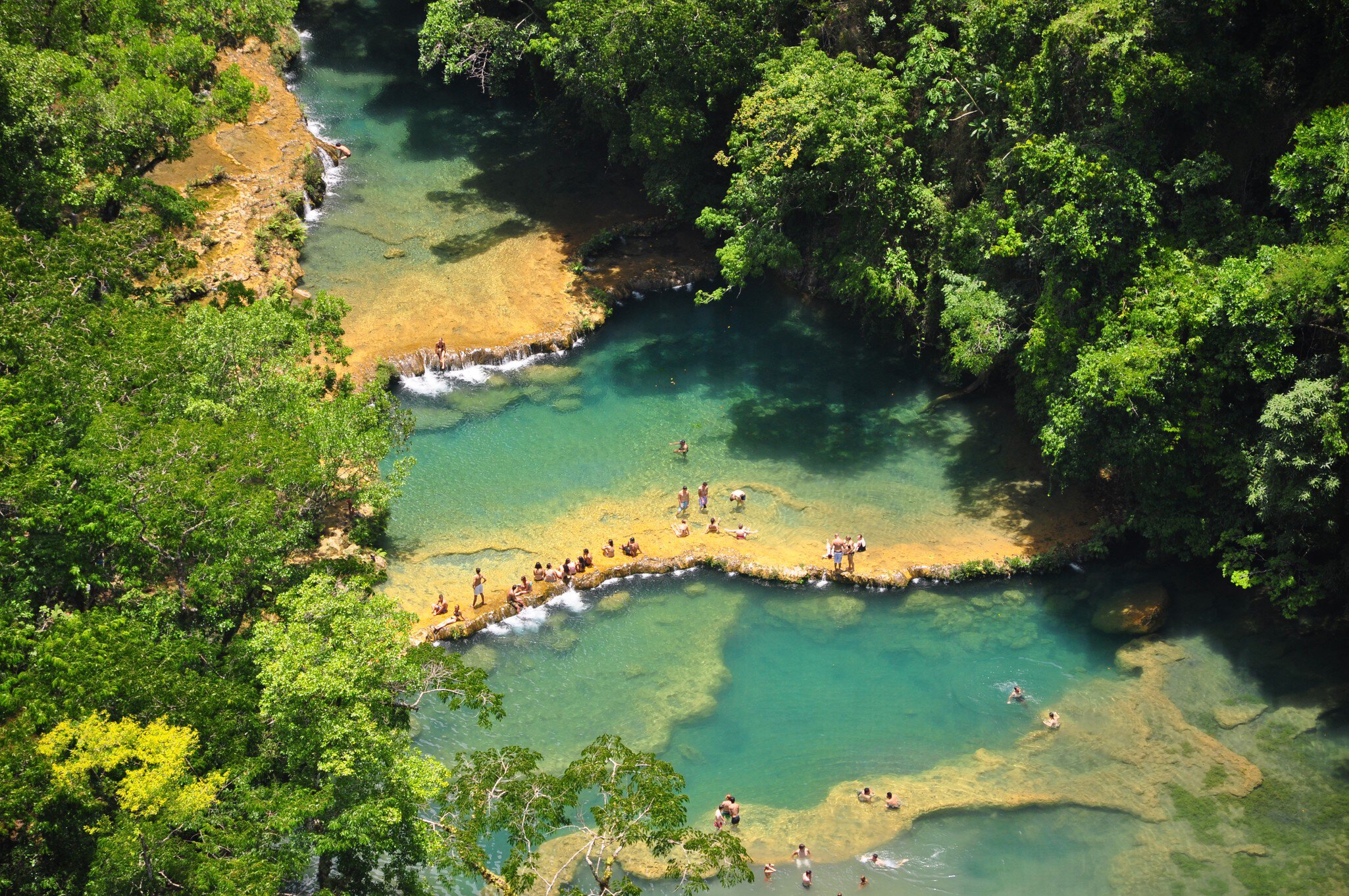
 Attraction in GuatemalaSemuc Champey
 - Attraction in GuatemalaEl Mirador
- Attraction in GuatemalaAutosafari Chapín
- Attraction in GuatemalaBiotopo del Quetzal
- Attraction in GuatemalaBiotopo Monterrico-Hawaii
- Attraction in GuatemalaEstación Biológica Las Guacamayas
- Attraction in GuatemalaParque Natural Ixpanpajul
Travel Guides
Guatemala travel tips from Lonely Planet experts
Find practical guidance from our team of contributors around the world who bring their decades of first-hand travel experience to your next trip.
Best Things to Do
Guatemala is a dream destination for adventurers and a great place for cultural immersion. Here are the top things to do.
Read full article
Best Time to Visit
The rainy and dry seasons set the schedule for visitors to Guatemala, but you can enjoy a trip here at any time of year. Here are the top times to come.
Read full article
Things to Know
These key tips on planning, etiquette and safety will ensure a stress-free and fun trip to Guatemala.
Read full article
Transportation
To take in Guatemala’s pyramids, ruins, jungles, volcanoes and thriving Mayan culture, you’ll need to take to the road. Here’s how to get around.
Read full article
Best Road Trips
Explore the wild and beautiful landscape of Guatemala in places a bus can't get to. These are our favorite 6 road trips in this Central American gem.
Read full article
Money and Costs
Guatemala may be an inexpensive country to visit but that doesn't mean there aren't lots of ways to stretch your budget further. Here's how to do it!
Read full article
Traveling with Kids
Guatemala welcomes teeny travelers with open arms and warm smiles, but there are some challenges when visiting with kids. Here's how to handle them.
Read full article
Best Places to Visit
From volcanoes and jungle ruins to historic cities and Maya culture, these 11 sights should get top billing on your Guatemala travel itinerary.
Read full article
Get a book. Get inspired. Get exploring.
in partnership with getyourguide
Book popular activities in Guatemala
Lonely Planet may earn a commission from affiliate links on our site. All recommendations and reviews reflect our own independent opinions.
Guatemala and beyond
-
 destinationAntigua
 - destinationGuatemala City
- destinationQuetzaltenango