Cologne & Northern Rhineland
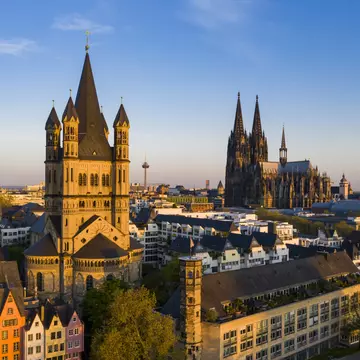
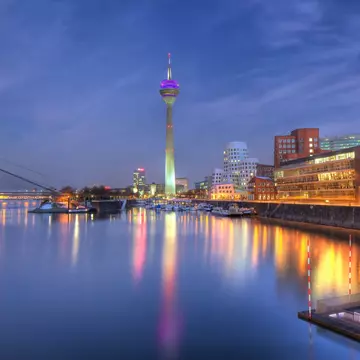
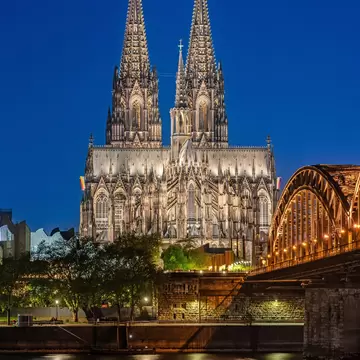
Cologne's iconic Dom has twin towers that might as well be exclamation marks after the word 'welcome'. Flowing behind the cathedral, the Rhine provides a vital link for some of the region's highlights – Düsseldorf, with its great nightlife, architecture and shopping; and Bonn, the former capital, which hums to Beethoven. Away from the river, Aachen still echoes to the beat of the Holy Roman Empire and Charlemagne.


Trusted Partner
Dreaming of Cologne & Northern Rhineland? Protect your trip
Travel with confidence. Protect your trip and your wallet.
We don’t represent World Nomads, we receive a fee from quotes using this link. This is not a recommendation to buy travel insurance.
Book your Germany trip with Lonely Planet Journeys
See Germany how it's meant to be seen
Planned by local experts and tailored to you, Lonely Planet Journeys handles the logistics so you can just enjoy the trip. Tell us what you want and we'll build your Germany itinerary from scratch, or browse our bookable trips to get inspired.

Top places to visit in Cologne & Northern Rhineland
Discover the best attractions in Cologne & Northern Rhineland from must-see sights to unexpected hidden gems.
- Attraction in CologneKölner Dom
-
 Attraction in DüsseldorfMedienhafen
 - Attraction in GermanyZeche Zollverein
-
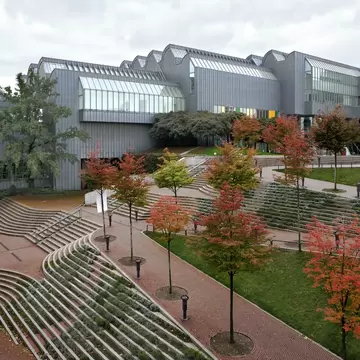
- Attraction in CologneMuseum Ludwig
- Attraction in CologneRömisch-Germanisches Museum
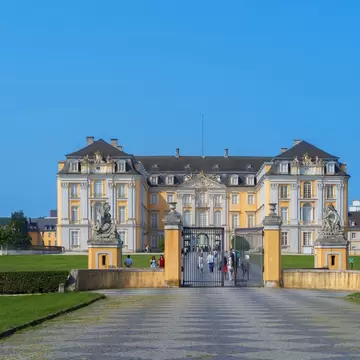
- Attraction in GermanySchloss Augustusburg
- Attraction in CologneSchokoladenmuseum


Get a book. Get inspired. Get exploring.


in partnership with getyourguide
Book popular activities in Cologne & Northern Rhineland
Lonely Planet may earn a commission from affiliate links on our site. All recommendations and reviews reflect our own independent opinions.
Cologne & Northern Rhineland and beyond
- destinationCologne
- destinationDüsseldorf
-
 destinationAachen
 - destinationBonn