Berlin
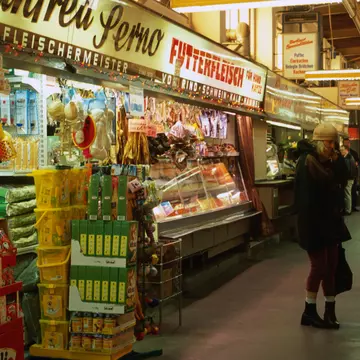
Berlin's combo of glamour and grit is bound to mesmerise all those keen to explore its vibrant culture, cutting-edge architecture, fabulous food, intense parties and tangible history.
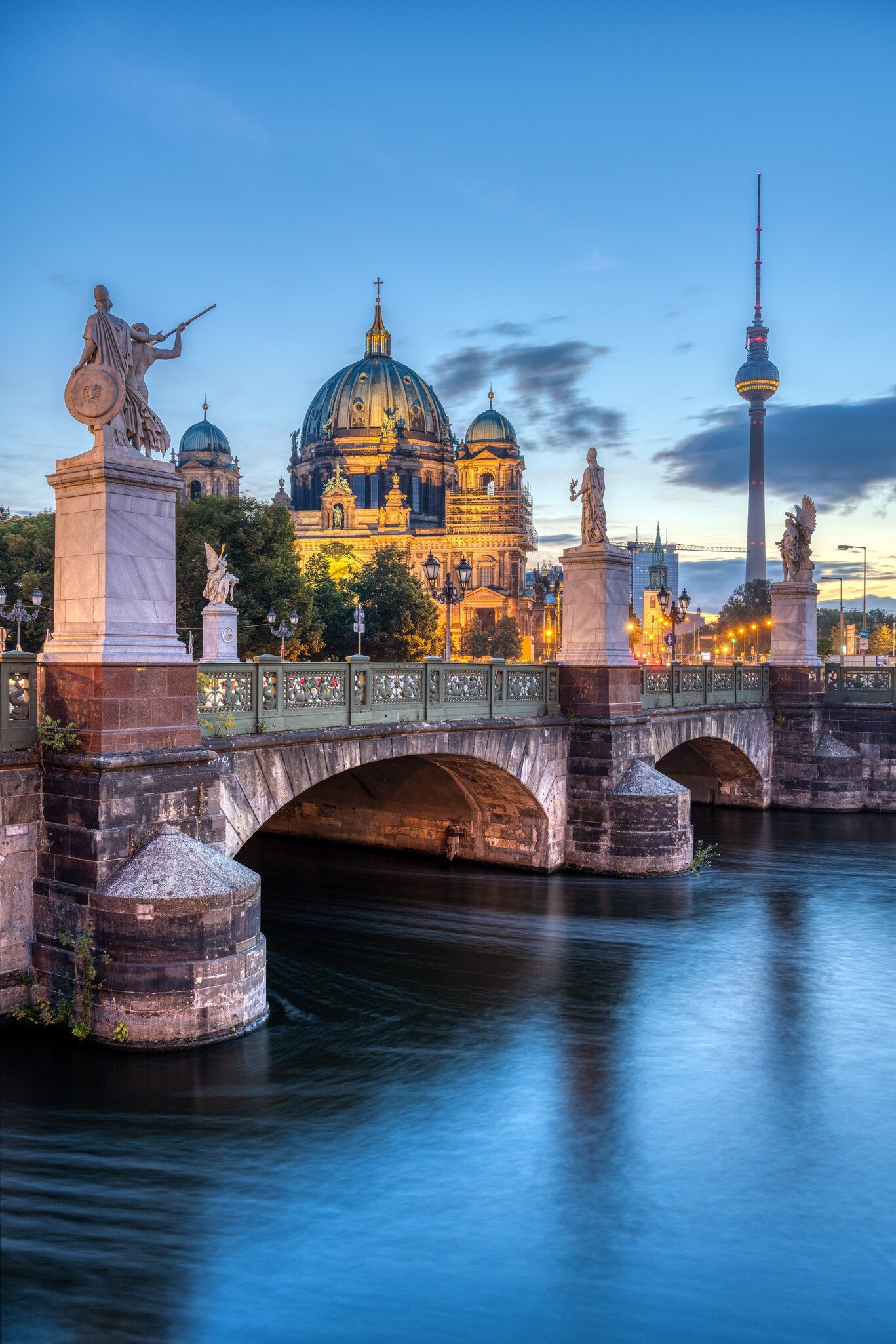
elxeneize/Shutterstock
Latest Stories
- Barbara Woolsey | Jul 10, 202623 of Berlin's Best Clubs: Where to Go and What to Expect
- Juan Martinez | Dec 9, 202510 Things to Know Before Heading to Berlin
- Gabrielle Innes | Dec 8, 20255 Best Day Trips from Berlin
- Juan Martinez | Dec 8, 2025The Best Ways to Travel Around in Berlin
Book
App


Trusted Partner
Dreaming of Berlin? Protect your trip
Travel with confidence. Protect your trip and your wallet.
We don’t represent World Nomads, we receive a fee from quotes using this link. This is not a recommendation to buy travel insurance.
Book your Germany trip with Lonely Planet Journeys
See Germany how it's meant to be seen
Planned by local experts and tailored to you, Lonely Planet Journeys handles the logistics so you can just enjoy the trip. Tell us what you want and we'll build your Germany itinerary from scratch, or browse our bookable trips to get inspired.

Top places to visit in Berlin
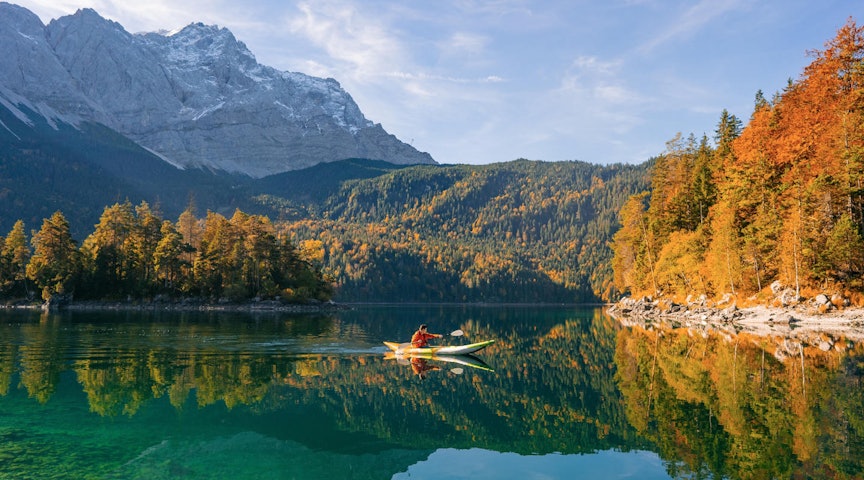
Discover the best attractions in Berlin from must-see sights to unexpected hidden gems.
- Attraction in BerlinFernsehturm
- Attraction in BerlinAltes Museum
- Attraction in BerlinNeues Museum
- Attraction in BerlinTopographie des Terrors
- Attraction in KreuzbergDeutsches Technikmuseum
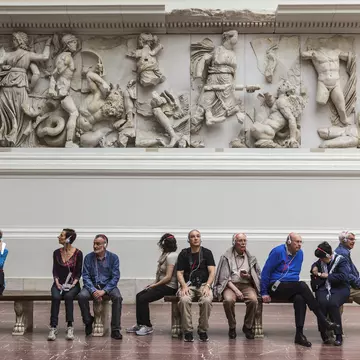
- Attraction in BerlinPergamonmuseum
- Attraction in BerlinDDR Museum
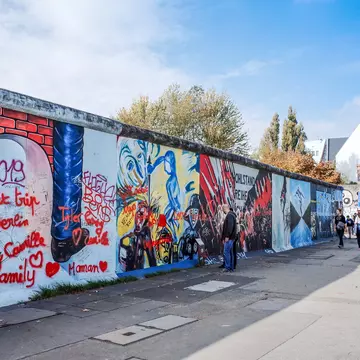
- Attraction in FriedrichshainEast Side Gallery





Travel Guides
Berlin travel tips from Lonely Planet experts
Find practical guidance from our team of contributors around the world who bring their decades of first-hand travel experience to your next trip.
Best Things to Do
With one of the top nightlife scenes in the world and fascinating historic sites to explore, here are Berlin's best experiences.
Read full article
Best Time to Visit
Make the most of your time in Berlin, a city with much to see and do, with our ultimate guide to the best time to visit.
Read full article
Things to Know
Berlin is one of the most vibrant, fun and welcoming cities in Europe. These insider tips will make your first visit the best it can be.
Read full article
Transportation
It can seem intimidating at first, but getting around Berlin is quick, efficient and relatively cheap. Here's our guide to transport in the German capital.
Read full article
Free Things to Do
From panoramic vistas and sinister museums to hidden street art, here are all the excellent free things to do and places to go in Berlin.
Read full article
Best Neighborhoods
Lorna Cannon, founder of Refugee Voices Tours, explains how her guides share their stories of coming to Berlin as refugees.
Read full article
Day Trips
Forest walks, cycling routes, dips in the lake, historic sites and much more are all within easy reach of Berlin – and sometimes even within the city limits.
Read full article
Money and Costs
Even though Berlin is an incredible city with lots to offer, its attractions don't cost the earth. Here's how to visit Berlin on a budget.
Read full article
Traveling with Kids
From street festivals to beer gardens, Berlin’s bohemian attitude makes traveling with family and kids incredibly fun and stress-free.
Read full article
5 Shops
Germany’s capital is full of fabulous shops that you won’t find anywhere else.
Read full article
Spending Diaries
Lonely Planet’s Destination Editor Sandie Kestell returned to her former home, Berlin, for two days. Here's what she spent.
Read full article
Get a book. Get inspired. Get exploring.


in partnership with getyourguide
Book popular activities in Berlin
Lonely Planet may earn a commission from affiliate links on our site. All recommendations and reviews reflect our own independent opinions.
Berlin and beyond
-
 destinationCity West & Charlottenburg
 - destinationPrenzlauer Berg
- destinationFriedrichshain
- destinationKreuzberg