
Advertisement
The Dordogne
Few regions sum up the attractions of France better than the Dordogne. With its rich food, heady history, château-studded countryside and picturesque villages, the Dordogne has long been a favourite getaway for French families on les grandes vacances. It’s also famous for having some of France’s finest prehistoric cave art, which fill the caverns and rock shelters of the Vézère Valley.


Trusted Partner
Stay connected in The Dordogne
Holafly eSIM provides unlimited mobile data with no hidden fees, giving you peace of mind wherever you travel. Stay connected even after your plan ends with Always On. Use code LONELYPLANET for an exclusive discount.
Lonely Planet may earn a commission from affiliate links on our site. All recommendations and reviews reflect our own independent opinions.
Take your France trip with Lonely Planet Journeys
Time to book that trip to France
Lonely Planet Journeys takes you there with fully customizable trips to top destinations – all crafted by our local experts.


Top places to visit in The Dordogne
Discover the best attractions in The Dordogne from must-see sights to unexpected hidden gems.
-
 Attraction in The DordogneGrotte de Font de Gaume
 -
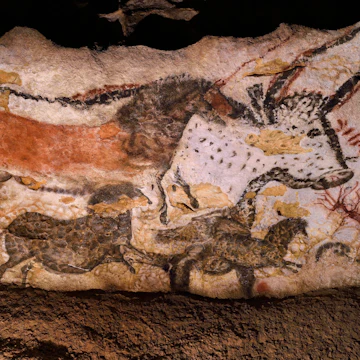 Attraction in The DordogneGrotte de Lascaux
 - Attraction in The DordogneGrotte de Rouffignac
- Attraction in Sarlat-la-CanédaWeekly Markets
- Attraction in The DordogneJardins de Marqueyssac
- Attraction in The DordogneChâteau des Milandes
- Attraction in The DordogneAbri de Cap Blanc
- Attraction in The DordogneGrotte des Combarelles
Advertisement
Advertisement
Get a book. Get inspired. Get exploring.


in partnership with getyourguide
Book popular activities in The Dordogne
Lonely Planet may earn a commission from affiliate links on our site. All recommendations and reviews reflect our own independent opinions.
The Dordogne and beyond
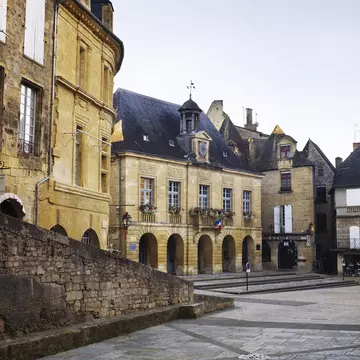
- destinationSarlat-la-Canéda
Advertisement