
Normandy
© Thierry Houyel/Normandy Tourism
LONELY PLANET’S RECOMMENDED eSIM
Stay connected in Normandy
with
Saily is an affordable eSIM service that helps you stay connected and secure, anywhere in the world.
Overview
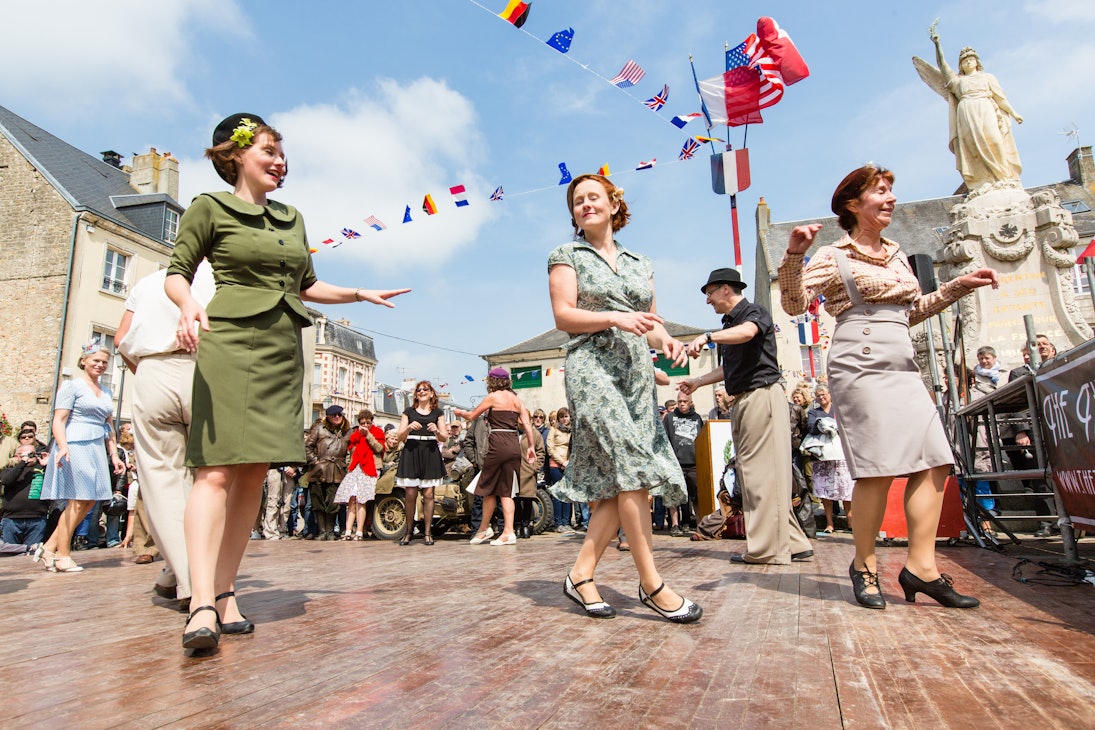
From the Norman invasion of England in 1066 to the D-Day landings of 1944, Normandy has long played an outsized role in European history. This rich and often brutal past is brought vividly to life by the spectacular and iconic island monastery of Mont St-Michel; the incomparable Bayeux Tapestry, world-famous for its cartoon scenes of 11th-century life; and the transfixing cemeteries and memorials along the D-Day beaches, places of solemn pilgrimage.
Attractions
Must-see attractions
Save your favorites!
Sign in to save, get inspo & more

Mont St-Michel
Mont St-Michel's one main street, the Grande Rue, leads up the slope – past souvenir shops, eateries and a forest of elbows – to the star attraction of a…
Save your favorites!
Sign in to save, get inspo & more

Le Mémorial – Un Musée pour la Paix
Caen
For a very insightful and vivid account of the entire war, with special focus on the Battle of Normandy, Le Mémorial is unparalleled – it's one of Europe…
Save your favorites!
Sign in to save, get inspo & more

Maison et Jardins de Claude Monet
Giverny
Monet’s home for the last 43 years of his life is now a delightful house-museum. His pastel-pink house and Water Lily studio stand on the periphery of the…
Save your favorites!
Sign in to save, get inspo & more

Étretat
It's impossible to miss this cliff, as the shingle beach bends around off to the southwest, with its natural arch and solitary needle. You will spy…
Save your favorites!
Sign in to save, get inspo & more

Honfleur
This unusual and intriguing complex captures the whimsical spirit of the eccentric avant-garde composer Erik Satie (1866–1925), who lived and worked in…
Save your favorites!
Sign in to save, get inspo & more
Normandy
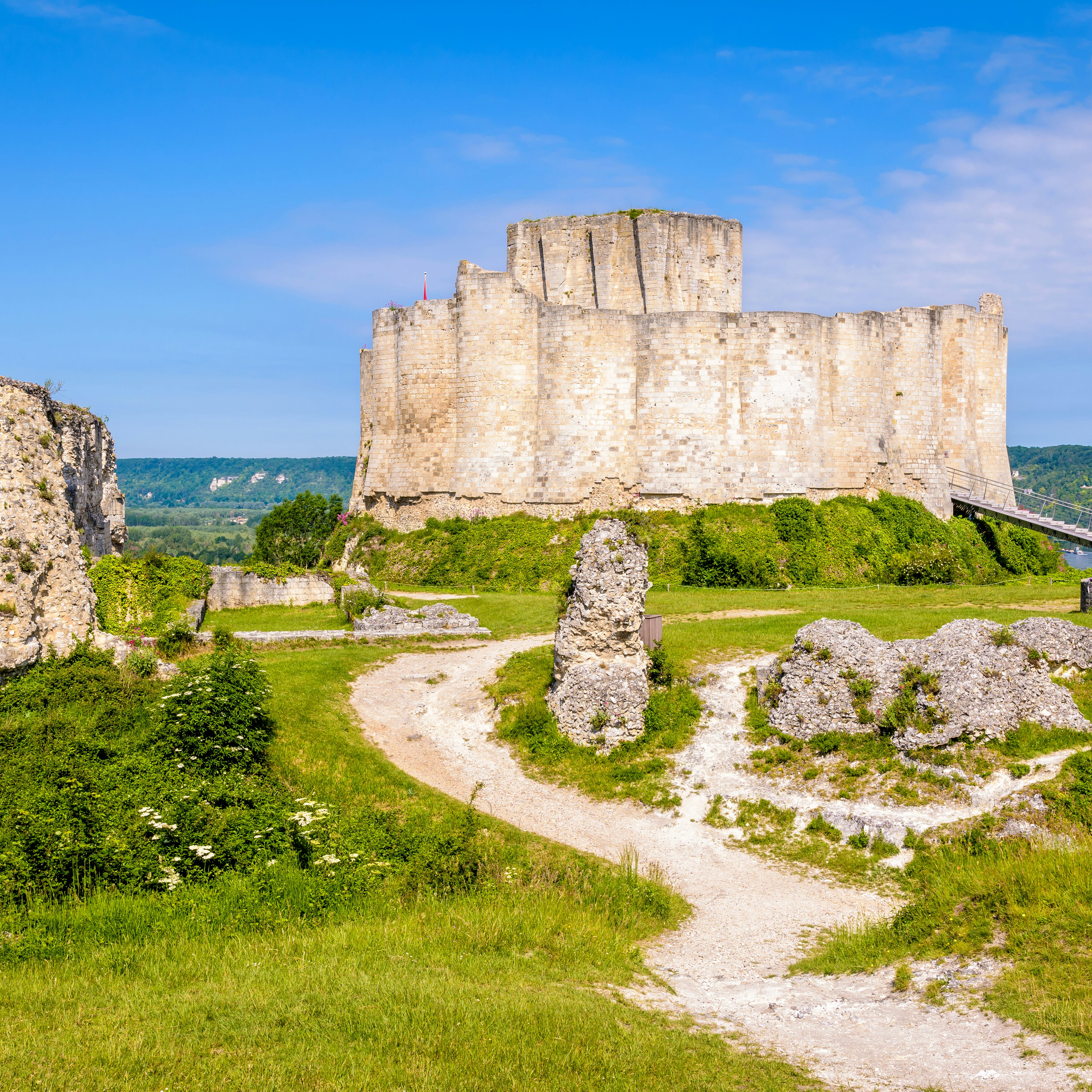
Under Richard the Lionheart's command, Château Gaillard was built with unbelievable dispatch between 1196 and 1198, securing the western border of English…
Save your favorites!
Sign in to save, get inspo & more

Le Havre
Near the waterfront, this luminous and tranquil space houses a fabulous collection of vivid impressionist works – the finest in France outside Paris – by…
Save your favorites!
Sign in to save, get inspo & more

Normandy
Cherbourg’s art-deco Gare Maritime Transatlantique (Transatlantic Ferry Terminal), built from 1928 to 1933, was designed so travellers could walk from…
Advertisement
Planning Tools
Expert guidance to help you plan your trip
Best Things to Do
Home to a rich history, vast sandy beaches and the iconic Mont St-Michel, there are many fantastic experiences to have in Normandy.
Read article
Get a book. Get inspired. Get exploring.
$29.99 USD

$13.99 USD

$24.99 USD
in partnership with getyourguide
Book popular activities in Normandy
Go Beyond
Normandy and beyond


Advertisement