Yunnan
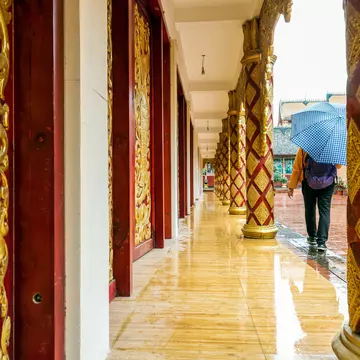
Yunnan (云南, Yúnnán) is the most diverse province in all China, both in its extraordinary mix of peoples and in the splendour of its landscapes. That combination of superlative sights and many different ethnic groups has made Yunnan the trendiest destination for China’s exploding domestic tourist industry.
Latest Stories
- Stephen Lioy | Jan 10, 2022China's Xishuangbanna: 10 best outdoor adventure experiences
Book


Trusted Partner
Dreaming of Yunnan? Protect your trip
Travel with confidence. Protect your trip and your wallet.
We don’t represent World Nomads, we receive a fee from quotes using this link. This is not a recommendation to buy travel insurance.
Top places to visit in Yunnan
Discover the best attractions in Yunnan from must-see sights to unexpected hidden gems.
-
-
 Attraction in YunnanBada Rice Terrace
 - Attraction in KunmingGolden Temple
- Attraction in YunnanMingyong Glacier
- Attraction in YunnanDuoyishu Rice Terrace
-
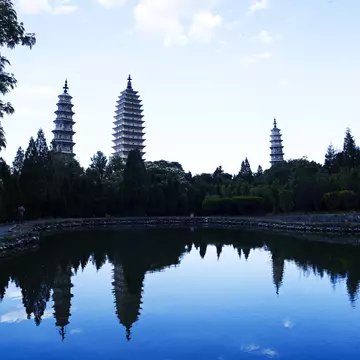
 Attraction in DaliThree Pagodas
 - Attraction in YunnanGantong Temple
- Attraction in KunmingBamboo Temple
Get a book. Get inspired. Get exploring.
Yunnan and beyond
- destinationXishuangbanna Region
-
 destinationKunming
 - destinationLijiang
- destinationDali
- destinationShangri-la
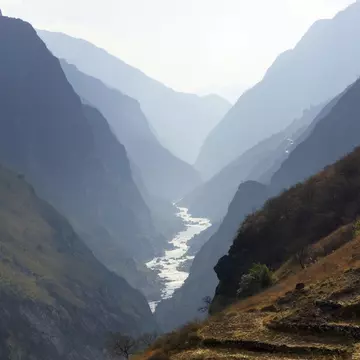
- destinationTiger Leaping Gorge