
Parque Nacional Torres del Paine
Soaring almost vertically above the Patagonian steppe, the granite pillars of Torres del Paine (Towers of Paine) dominate the landscape of South America's finest national park. Part of Unesco's Biosphere Reserve system since 1978, this 699-sq-mile (1810-sq-km) park is, however, much more than its one greatest hit. Its diversity of landscapes range from teal and azure lakes to emerald forests, roaring rivers and that one big, radiant blue glacier. Guanacos roam the vast open steppe, while Andean condors soar alongside looming peaks.
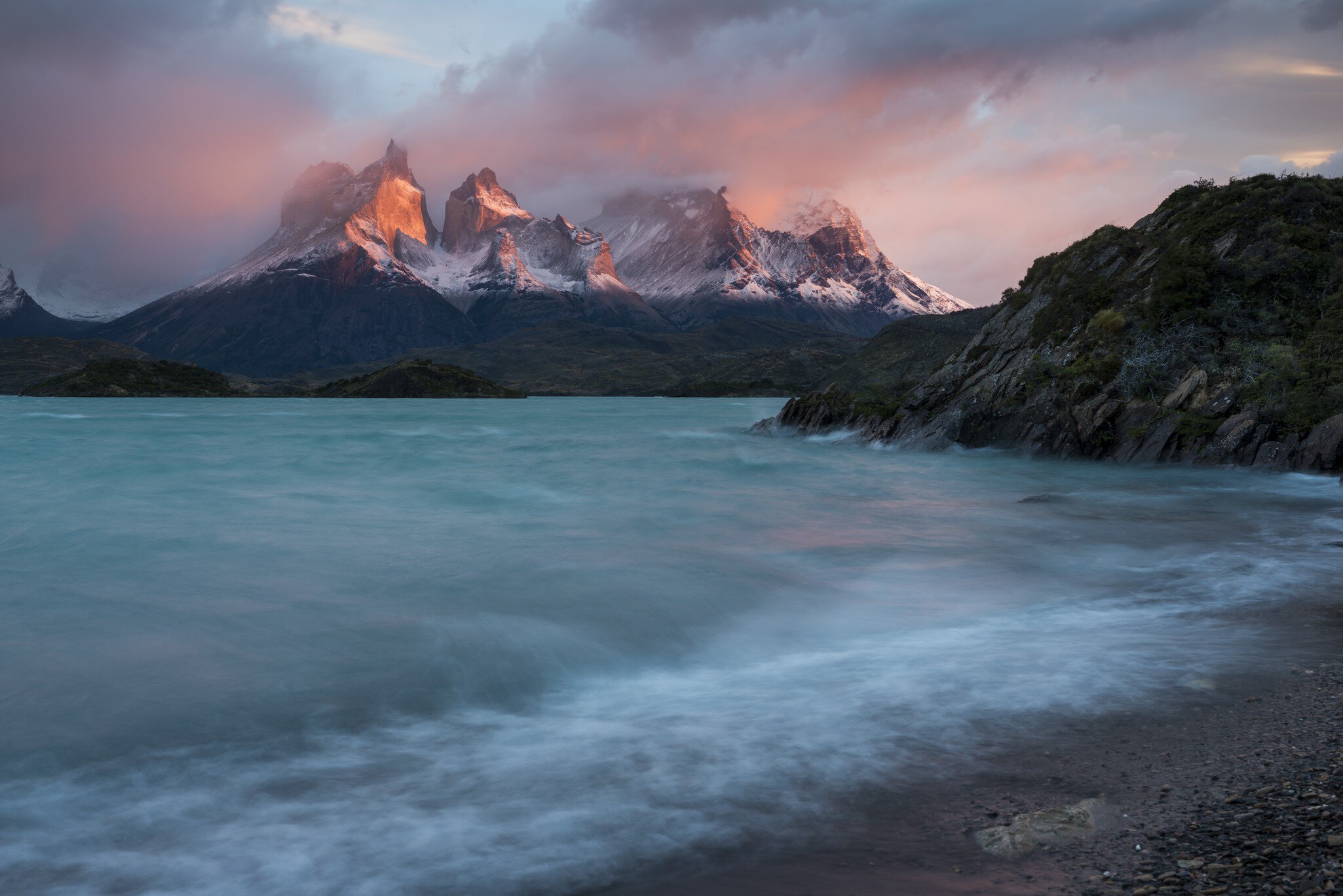
Getty Images/Cultura RM
Latest Stories
- Sarah Reid | Jan 14, 2023Lonely Plan-it: how to organize a hike on Chile’s famous W Trek in 2023
Book
Trip 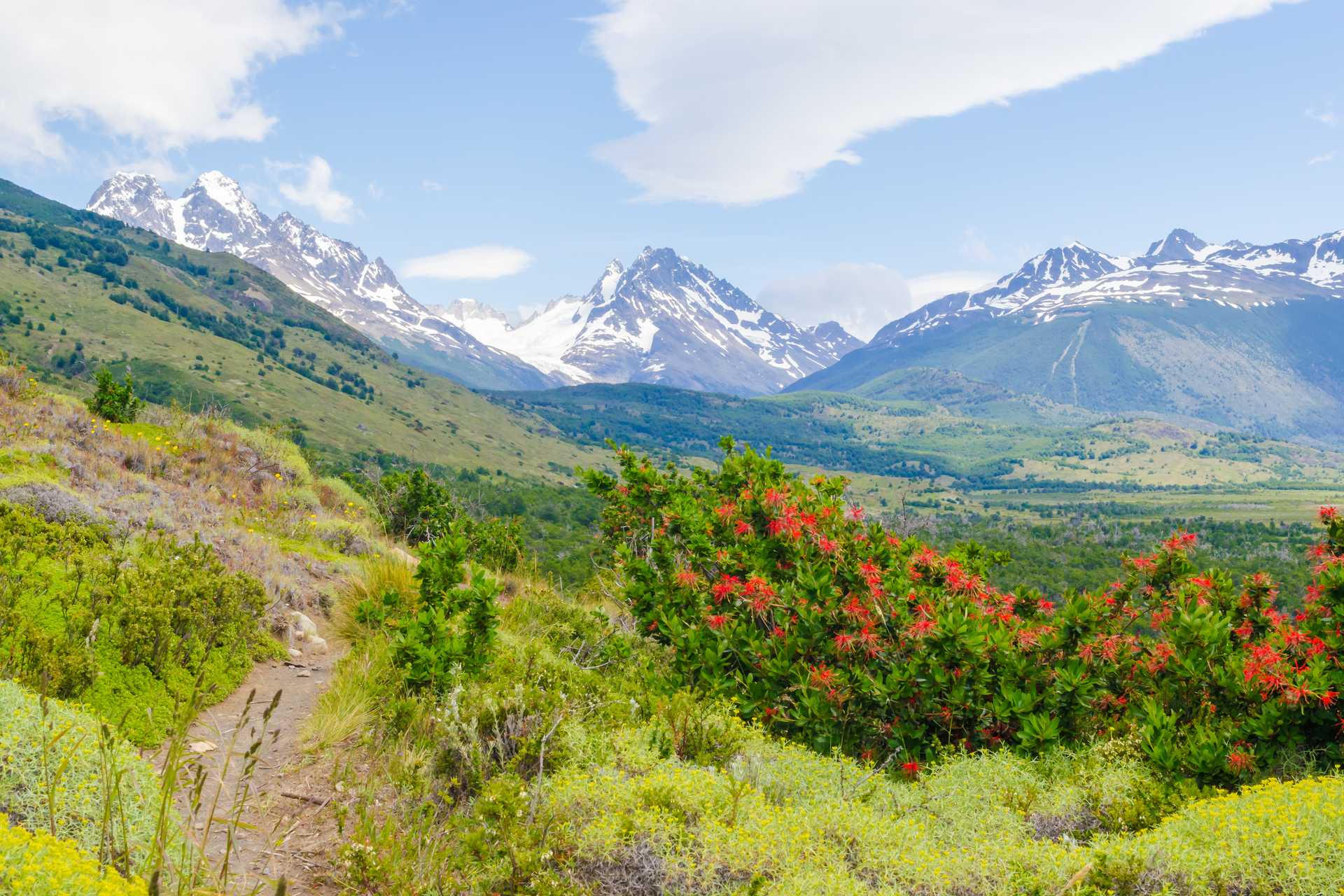

Trusted Partner
Dreaming of Parque Nacional Torres del Paine? Protect your trip
Travel with confidence. Protect your trip and your wallet.
We don’t represent World Nomads, we receive a fee from quotes using this link. This is not a recommendation to buy travel insurance.
Book your Chile trip with Lonely Planet Journeys
See Chile how it's meant to be seen
Planned by local experts and tailored to you, Lonely Planet Journeys handles the logistics so you can just enjoy the trip. Tell us what you want and we'll build your Chile itinerary from scratch, or browse our bookable trips to get inspired.


Top places to visit in Parque Nacional Torres del Paine
Discover the best attractions in Parque Nacional Torres del Paine from must-see sights to unexpected hidden gems.
-
 Attraction in ChileMirador Las Torres
 - Attraction in ChileMirador Nordenskjöld
Get a book. Get inspired. Get exploring.

in partnership with getyourguide
Book popular activities in Parque Nacional Torres del Paine
Lonely Planet may earn a commission from affiliate links on our site. All recommendations and reviews reflect our own independent opinions.