
Advertisement
Bhutan
Bhutan is no ordinary place. It's the last great Himalayan kingdom, shrouded in mystery and magic, where a traditional Buddhist culture carefully embraces global developments.

Getty Images/iStockphoto
Latest Stories
- Bradley Mayhew|Feb 20, 2026The best time to visit Bhutan
- Bradley Mayhew|Jan 19, 2026The 13 best things to do in Bhutan
- Katie Lockhart|Dec 10, 20259 places in Bhutan that should be on every itinerary
- Bradley Mayhew|Jan 29, 2025Do you need a visa to visit Bhutan?
Book

Top places to visit in Bhutan
Discover the best attractions in Bhutan from must-see sights to unexpected hidden gems.
-
 Attraction in ThimphuTrashi Chho Dzong
 -
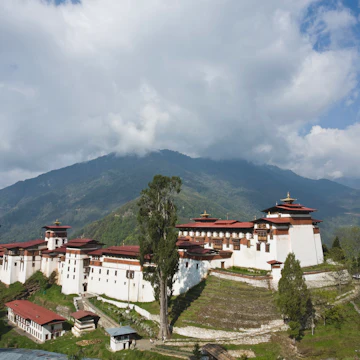 Attraction in BhutanTrongsa Dzong
 -
 Attraction in ThimphuNational Textile Museum
 -
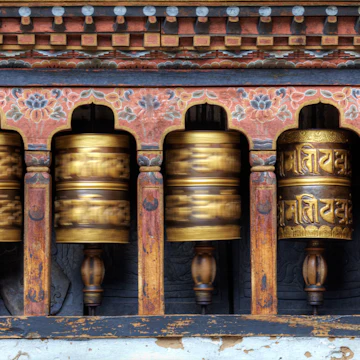 Attraction in ThimphuChangangkha Lhakhang
 -
 Attraction in ThimphuNational Memorial Chorten
 -
 Attraction in ThimphuBuddha Dordenma
 -
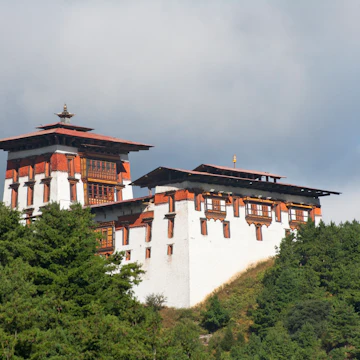 Attraction in BhutanJakar Dzong
 -
 Attraction in BhutanRoyal Manas National Park
Advertisement
Travel Guides
Bhutan travel tips from Lonely Planet experts
Find practical guidance from our team of contributors around the world who bring their decades of first-hand travel experience to your next trip.
Best Things to Do
The last Buddhist kingdom in the Himalayas, Bhutan serves up remarkable and life-changing experiences.
Read full article
Best Time to Visit
You’ll have a slightly different (if surely marvelous) visit to Bhutan depending on what time of year you visit. Here’s a thorough guide.
Read full article
Things to Know
Bhutan is one of the most alluring and unique destinations in the world. Here’s all you need to know before your dream trip.
Read full article
Transportation
Find your way around the fascinating Kingdom of Bhutan with our guide to your transportation options.
Read full article
Visa Requirements
Almost certainly yes. And you’ll need to make many more arrangements prior to your trip to Bhutan, too.
Read full article
Best Road Trips
Any road trip through the beautiful Himalayan valleys of Bhutan ranks as one of travel’s most exciting adventures. Here are five of the best.
Read full article
Traveling with Kids
In Bhutan, a country that values happiness above everything else, children are welcomed with open arms. Plan your family trip with our guide.
Read full article
Best Places to Visit
From ancient fortresses to tranquil Buddhist villages, Bhutan offers so much stunning beauty and rich culture. Here are the top 9 places to check out.
Read full article
Advertisement
Bhutan and beyond
- destinationThimphu
Advertisement