Australia
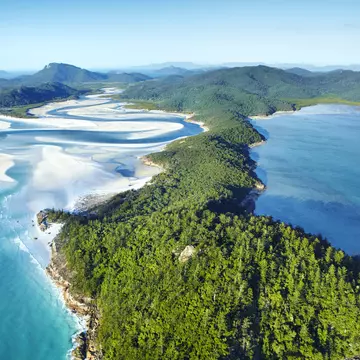
Australia is the unexpected: a place where the world’s oldest cultures share vast ochre plains, stylish laneways and unimaginably blue waters with successive waves of new arrivals from across the globe.
Getty Images
Latest Stories
- Shaney Hudson | Jun 2, 2026The 11 best places to visit in Australia
- Tasmin Waby | Jun 1, 2026How to get your cell phone connected in Australia: eSIMs, wi-fi and mobile networks
- Lonely Planet Editors | Apr 24, 202612 of the best beaches in Australia
- Tasmin Waby | Jan 24, 2026The 7 best places to visit in Australia in fall
Book
Trip 
12 days / 11 nights
12 Days in Australia: All-Encompassing Great Barrier Reef, Uluru and Sydney


Trusted Partner
Dreaming of Australia? Protect your trip
Travel with confidence. Protect your trip and your wallet.
We don’t represent World Nomads, we receive a fee from quotes using this link. This is not a recommendation to buy travel insurance.
Book your Australia trip with Lonely Planet Journeys
See Australia how it's meant to be seen
Planned by local experts and tailored to you, Lonely Planet Journeys handles the logistics so you can just enjoy the trip. Tell us what you want and we'll build your Australia itinerary from scratch, or browse our bookable trips to get inspired.

Top places to visit in Australia
Discover the best attractions in Australia from must-see sights to unexpected hidden gems.
-
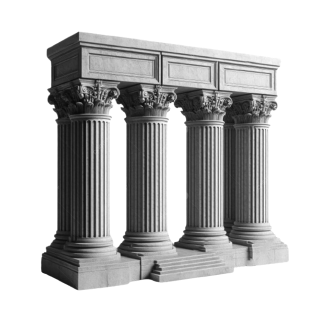 Attraction in MelbourneWerribee Park Mansion
 - Attraction in MelbourneVictoria State Rose Garden
- Attraction in Western AustraliaInside Australia
-
-
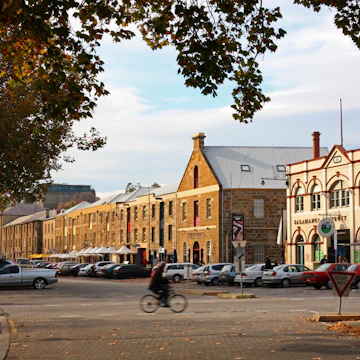 Attraction in HobartSalamanca Place
 - Attraction in West Coast AustraliaGnaraloo Bay
- Attraction in West Coast AustraliaMurujuga National Park
-
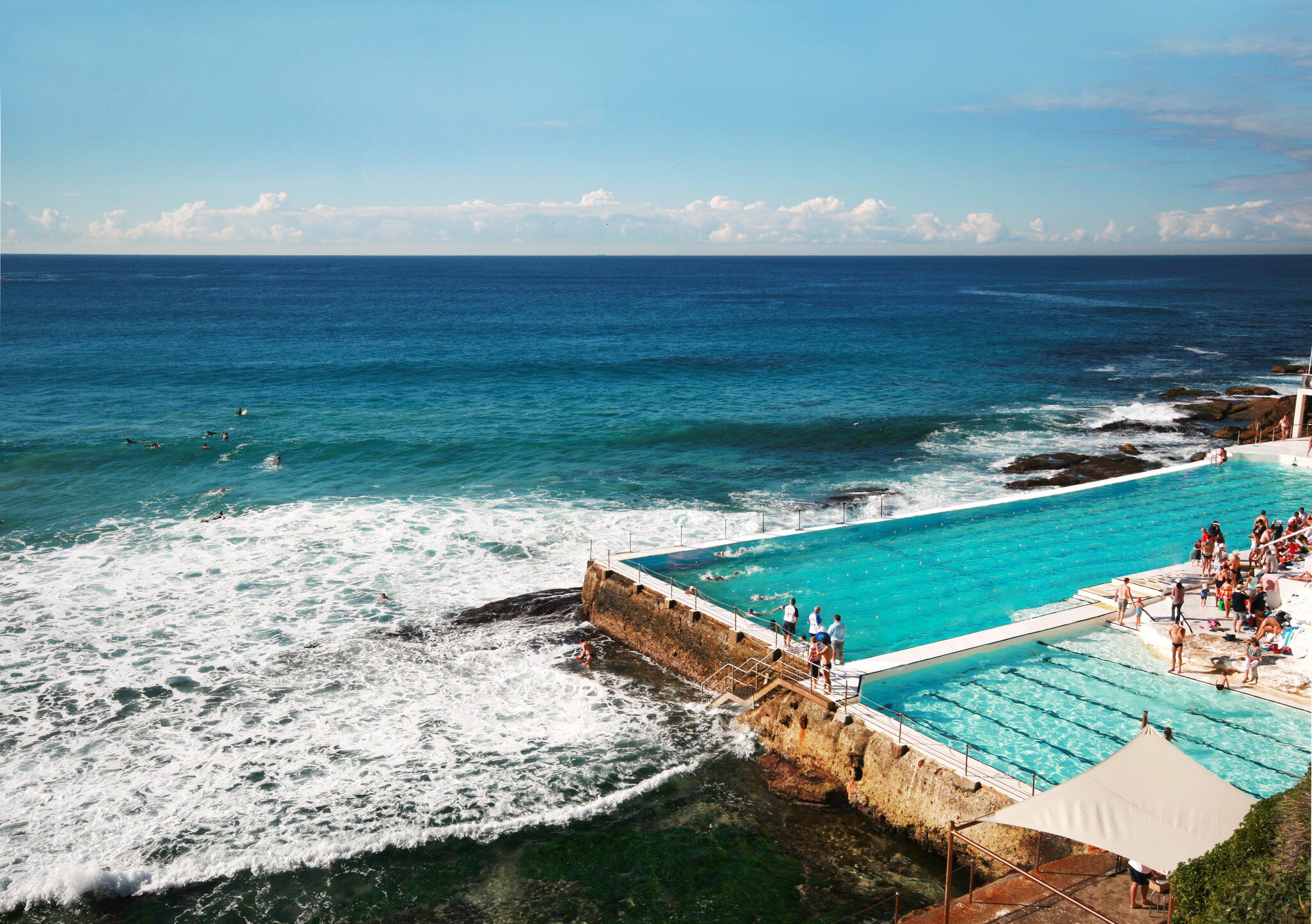
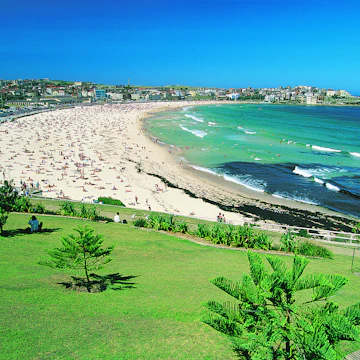 Attraction in SydneyBondi Beach
Travel Guides
Australia travel tips from Lonely Planet experts
Find practical guidance from our team of contributors around the world who bring their decades of first-hand travel experience to your next trip.
Best Things to Do
Experience the very best of Australia with this guide to the country's top things to do.
Read full article
Best Time to Visit
Australia is so vast and varied that the best time to visit depends entirely on what you want to do. Here's how to choose the perfect time for your trip.
Read full article
Things to Know
From staying aware of swooping magpies to what side of the street to walk on, here's everything you need to know for your trip to Australia.
Read full article
Transportation
Find your way around Australia with our top tips for road trips, internal flights and long-distance coach and train services.
Read full article
Best Road Trips
What’s the best way to explore a continent-size country? By hitting the road.
Read full article
Money and Costs
Australia is not a cheap destination, but these money-saving tips will stretch your Aussie dollars a little further.
Read full article
Traveling with Kids
From its tropical reefs to its snow-covered mountains, Australia is the ultimate family travel destination. Here's what you need to know.
Read full article
Best Places to Visit
From Australia and New Zealand, to the far-flung islands of the South Pacific, here are the best things to do in October and November.
Read full article
Spending Diaries
There’s something incredibly special about exploring Australia with a Traditional Custodian that every traveler should experience at least once.
Read full article
Get Connected
Stay connected on your trip to Australia with these helpful tips on wi-fi, eSIMs and cell data.
Read full article
Get a book. Get inspired. Get exploring.


in partnership with getyourguide
Book popular activities in Australia
Lonely Planet may earn a commission from affiliate links on our site. All recommendations and reviews reflect our own independent opinions.
Australia and beyond
- destinationTasmania
- destinationSydney
- destinationMelbourne
- destinationBrisbane
- destinationHobart
-
 destinationNew South Wales
 - destinationQueensland
- destinationVictoria